.png)
Why Pakistan lags as foreign broadcasters choose India
JournalismPakistan.com | Published: 8 December 2025 | JP Special Report
Join our WhatsApp channel
India's media landscape is attracting foreign broadcasters looking to expand their reach, unlike Pakistan which struggles due to market limitations. Global networks see India as a strategic hub for regional influence amid favorable regulations and a growing audience.Summary
NEW DELHI — India’s media landscape is undergoing a transformation as major foreign broadcasters expand their footprints in the country, drawn by a rapidly growing market, flexible regulations, and an increasingly influential global role. The launch of RT India’s English-language programming on December 5 from a new studio in Delhi marks the latest entry in a long list of global players strengthening operations in the world’s largest democracy.
The Moscow-based network is rolling out four daily English news programs and has already secured placement with 18 major Indian distribution operators, giving it potential access to more than 675 million viewers. Analysts view RT’s expansion as both a commercial and strategic move. The channel’s ad blitz across major Indian cities and a multi-episode series on British colonialism featuring Shashi Tharoor underscore the significance of its push into India.
India’s expanding media ecosystem attracts global networks
India has emerged as one of the few countries where global broadcasters can scale quickly. CNN, Bloomberg, Discovery, BBC, and other international brands operate localized versions or distribution partnerships tailored for Indian audiences. The attraction lies in India’s large English-speaking urban population, rising disposable incomes, and strong appetite for international news, business, and technology coverage.
Bloomberg recently re-entered India via a distribution arrangement with JioTV, prioritizing digital reach over the traditional television licensing model. Discovery continues to run large India-focused operations across entertainment, factual, and lifestyle programming. These moves reflect confidence in India’s stable market conditions and consumer demand.
Regulatory flexibility and commercial incentives set India apart
Unlike markets where foreign news operations face heavy restrictions, India allows a range of collaborations, from content partnerships to localized versions of international channels. While rules vary across sectors, broadcasters generally find India’s regulatory environment navigable and commercially viable compared with many other developing markets.
Partnership models, licensing flexibility, and scale-driven advertising revenues enable global channels to find sustainable operating structures. For RT, India offers a platform to amplify coverage in a region of growing geopolitical importance.
Soft power and narrative influence also play a role
Beyond commercial benefits, India’s global profile, driven by its diaspora, economic growth, and geopolitical centrality, makes it a valuable location for shaping international narratives. Broadcasters view India as a strategic content hub for South Asia and beyond. India’s domestic broadcasters, too, have expanded worldwide, often promoting state-aligned messaging through foreign bureaus, cultural promotion channels, and digital platforms.
Why Pakistan struggles to attract international broadcasters
In contrast, Pakistan has been unable to draw major global networks to establish similar operations. Industry analysts point to limited market size, lower advertising revenue, and a smaller English-language audience. English news ventures launched by Pakistani media houses have repeatedly struggled with sustainability, eventually shifting to Urdu or shutting down altogether. The commercial incentive for foreign broadcasters remains weak.
Regulatory uncertainty, fluctuating media policies, and revenue-focused approaches also discourage global investment. Observers say authorities have prioritized immediate earnings from licensing and fees over building long-term international communication infrastructure.
Limited impact of English-only ventures for Pakistan
Even if Pakistan were to launch English-language channels for international outreach, analysts note the impact would be modest without strong funding and a clear distribution strategy. English-speaking audiences inside Pakistan remain small, and global viewership requires significant marketing, partnerships, and credibility built over decades. International broadcasters operating from India benefit from scale, regulatory clarity, and a media environment that supports both domestic and global ambitions, advantages Pakistan has yet to cultivate.
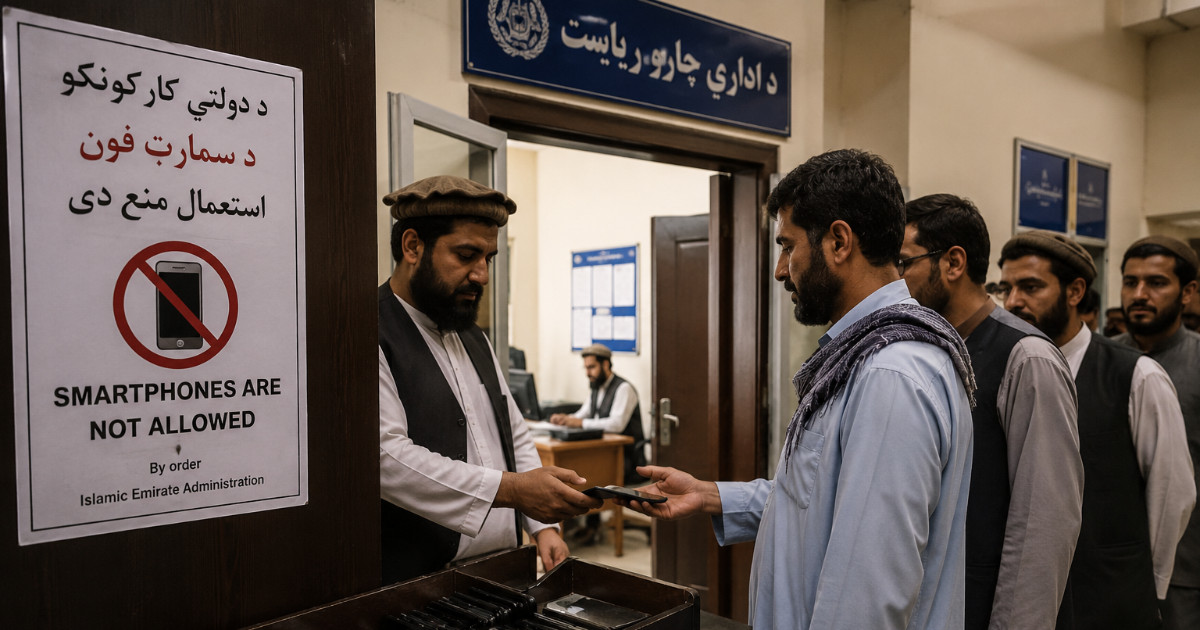
PHOTO: AI-generated; for illustrative purposes only.
Key Points
- RT India launched on December 5 with English programs and distribution access to 675 million potential viewers
- India's large English-speaking market and regulatory flexibility attract global broadcasters, including CNN, Bloomberg, and Discovery
- International channels view India as a strategic hub for regional and global influence
- Pakistan struggles to attract global networks due to limited market size, low revenues, and inconsistent media policies
- English-language news ventures in Pakistan remain commercially unsustainable and have limited international impact.
Relevant Topics
Ask AI: Understand this story your way
AI EnabledDig deeper, ask anything — get instant context, background, and clarity.
Disclaimer: This feature is powered by AI and is intended to help readers explore and understand news stories more easily. While we strive for accuracy, AI-generated responses may occasionally be incomplete or reflect limitations in the underlying model. This feature does not represent the editorial views of JournalismPakistan. For our full, verified reporting, please refer to the original article.