Amar Guriro: Journalism's future is human-AI partnership The JournalismPakistan Global Media Brief | Edition 23 | June 5, 2026 As AI reshapes news, publishers seek a sustainable future Every frame at a cost: The safety crisis facing Pakistan's camerapersons Why journalists are increasingly targeted in conflict zones What the 60 Minutes controversy means for TV journalism Zee secures FIFA World Cup rights in India through 2030 How fact-checkers verify viral videos during breaking news Pentagon restrictions on reporters draw media backlash Israel-Lebanon talks proceed as conflict hinders reporting Why governments are tightening controls on foreign journalists China condemns US restrictions on Xinhua reporter Taiwan condemns China over New York Times reporter expulsion The biggest threats facing journalism in Asia today Press freedom review: The many faces of pressure on the press Amar Guriro: Journalism's future is human-AI partnership The JournalismPakistan Global Media Brief | Edition 23 | June 5, 2026 As AI reshapes news, publishers seek a sustainable future Every frame at a cost: The safety crisis facing Pakistan's camerapersons Why journalists are increasingly targeted in conflict zones What the 60 Minutes controversy means for TV journalism Zee secures FIFA World Cup rights in India through 2030 How fact-checkers verify viral videos during breaking news Pentagon restrictions on reporters draw media backlash Israel-Lebanon talks proceed as conflict hinders reporting Why governments are tightening controls on foreign journalists China condemns US restrictions on Xinhua reporter Taiwan condemns China over New York Times reporter expulsion The biggest threats facing journalism in Asia today Press freedom review: The many faces of pressure on the press
Logo
Janu
Track Global Media Layoffs

India scraps mandatory Sanchar Saathi app pre-install after backlash

 JournalismPakistan.com |  Published: 4 December 2025 |  JP Asia Desk

Join our WhatsApp channel

India scraps mandatory Sanchar Saathi app pre-install after backlash
The Indian government reversed its decision to require smartphone manufacturers to pre-install the Sanchar Saathi app. This change followed significant protests from tech firms and civil rights groups concerned about privacy violations.

NEW DELHI — The Indian government has withdrawn a directive that would have required smartphone makers to pre-install the state-run Sanchar Saathi cybersecurity app on all new devices. The policy reversal followed strong objections from privacy advocates, journalists’ groups, and major technology companies, who warned that the mandate threatened user autonomy and digital rights.

The original order, issued in late November, required manufacturers such as Apple, Samsung, and Xiaomi to preload the app within 90 days and enable its extension to existing devices through software updates. Critics argued that removing user choice and enforcing permanent system-level installation posed risks to privacy and press freedom.

Growing objections from tech firms and rights groups

Sanchar Saathi, administered by the Department of Telecommunications, allows users to track or block lost devices, verify SIM connections under their name, and report potential scam calls or messages. While the government promoted it as an anti-fraud tool, civil society groups warned that compulsory installation could expand state visibility over personal devices without transparent oversight.

Tech firms reportedly pushed back, with Apple among those resisting mandatory preloading. Digital rights organizations also noted that forcing a government-developed app onto devices could undermine journalists’ ability to safeguard sensitive communications or protect sources.

Government walks back mandate after public criticism

Responding to the backlash, the Communications Ministry announced that pre-installation would no longer be required and emphasized that users remain free to download or delete the app voluntarily. Officials said the decision was influenced by rising user adoption and feedback over the importance of maintaining device autonomy.

The reversal eased immediate concerns for reporters, activists, and digital rights groups, although experts note that broader regulatory trends, such as data governance rules and platform obligations, continue to raise questions about long-term privacy protections and press freedom.

ATTRIBUTION: Reporting based on publicly available coverage from media outlets

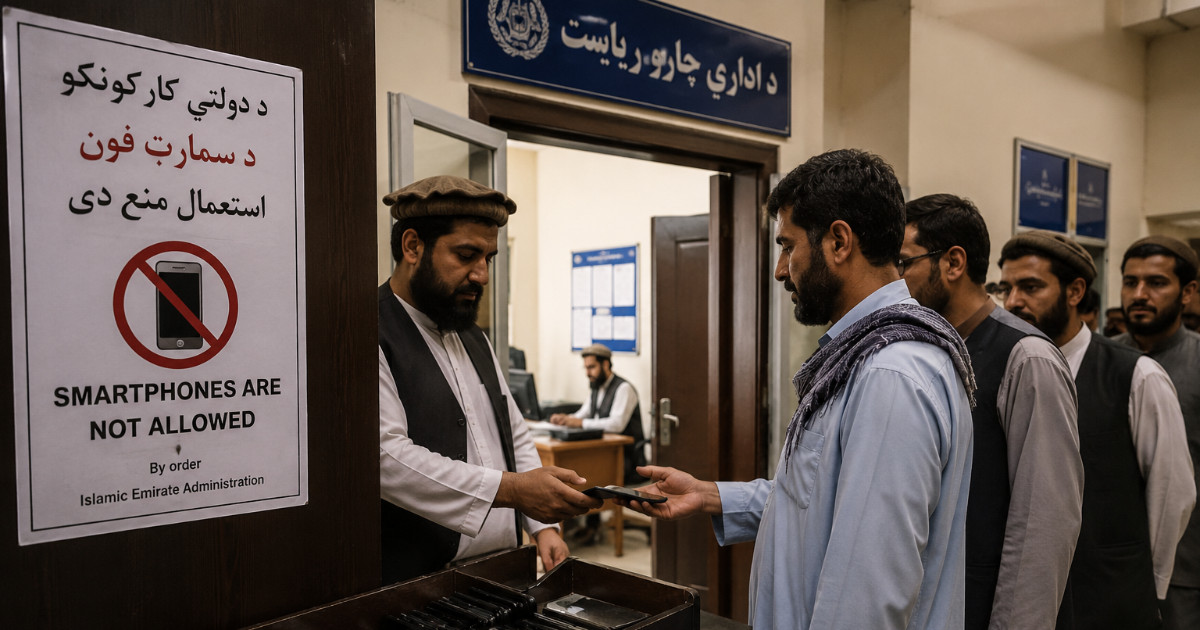
PHOTO: AI-generated; for illustrative purposes only.

Key Points

  • India revoked its directive requiring smartphone makers to pre-install the Sanchar Saathi app.
  • Digital rights groups and major tech firms warned that the mandate threatened privacy and press freedom.
  • Sanchar Saathi offers fraud-prevention, device-tracking, and scam-reporting features.
  • Critics argued that the forced installation removed user consent and increased surveillance risks.
  • The government stated voluntary uptake and public feedback led to the withdrawal of the order.

Ask AI: Understand this story your way

AI Enabled

Dig deeper, ask anything — get instant context, background, and clarity.

Not sure what to choose? Try one of these.

The AI generates results based on your selected options
Your AI-generated results will appear here after you click the button.

Disclaimer: This feature is powered by AI and is intended to help readers explore and understand news stories more easily. While we strive for accuracy, AI-generated responses may occasionally be incomplete or reflect limitations in the underlying model. This feature does not represent the editorial views of JournalismPakistan. For our full, verified reporting, please refer to the original article.
Explore Further

Newsroom
Amar Guriro: Journalism's future is human-AI partnership

Amar Guriro: Journalism's future is human-AI partnership

 June 05, 2026 Amar Guriro, founder of Pakistan's first AI-powered news platform, says journalism's future rests on human-AI collaboration to improve reporting while preserving editorial oversight.


The JournalismPakistan Global Media Brief | Edition 23 | June 5, 2026

The JournalismPakistan Global Media Brief | Edition 23 | June 5, 2026

 June 05, 2026 Global Media Brief reviews pressures reshaping journalism, press freedom, AI and platform power, and reports BBC's Emmy, 60 Minutes turmoil and Taiwan's protest.


As AI reshapes news, publishers seek a sustainable future

As AI reshapes news, publishers seek a sustainable future

 June 05, 2026 At the World News Media Congress in Marseille, publishers discussed how generative AI is altering newsroom workflows, audience engagement and content licensing.


Every frame at a cost: The safety crisis facing Pakistan's camerapersons

Every frame at a cost: The safety crisis facing Pakistan's camerapersons

 June 05, 2026 Pakistani camerapersons face serious risks covering floods, protests and attacks, often without training, protective gear or employer support.


Why journalists are increasingly targeted in conflict zones

Why journalists are increasingly targeted in conflict zones

 June 04, 2026 Journalists in conflict zones face rising danger as combatants, states and militias increasingly target independent reporting to control narratives.


Popular Stories