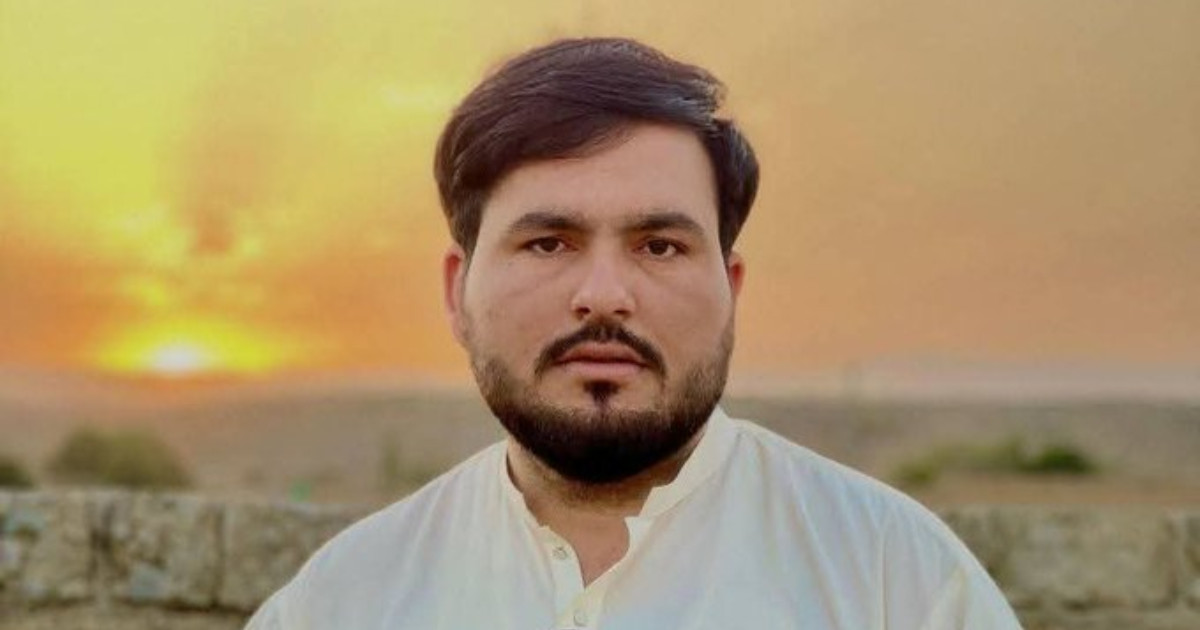

I A Rehman
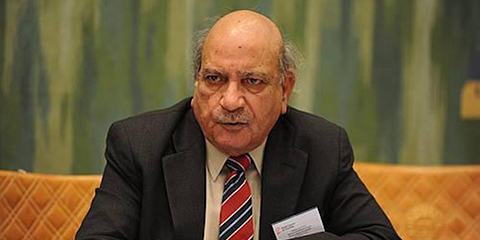
A senior journalist and human rights activist, I A Rehman is known for his outspoken views. He served as editor-in-chief of The Pakistan Times from 1989-90. Since 1990 he has been serving as a director at the Human Rights Commission of Pakistan.
During the turbulent years of 1970-71 that resulted in the breakup of Pakistan and the emergence of Bangladesh, Rehman, in his capacity as managing editor of the Urdu daily Azad, opposed the military action taken by the West Pakistan forces in what was then East Pakistan.
During the regime of military dictator Gen Ziaul Haq, Rehman worked as executive director of the weekly magazine, Viewpoint.
Besides numerous articles and papers, Rehman has to his credit three books: Jinnah as Parliamentarian (co-editor), Arts and Crafts of Pakistan and Pakistan under Siege (collection of columns).
He won the Nuremberg International Award for Peace and Human Rights in 2003, and the Magsaysay Award for Peace and International Understanding in 2004.
According to Dr Fauzia Saeed, I A Rehman is an institution. He is an example for the younger generation of journalists and civil society to learn from. For her, media in Pakistan are shallow and people should learn from people like I A Rehman, who strived for larger objectives like social justices, democratic values and human rights while maintaining impartiality at the same time.
Senator Farhatullah Babar says of I A Rehman, he is the only person who can say the most controversial things while remaining uncontroversial. “He has always spoken with sincerity and without any greed.”
Sources: The Oxford Companion to Pakistani History and a news report in The Express Tribune in 2011.
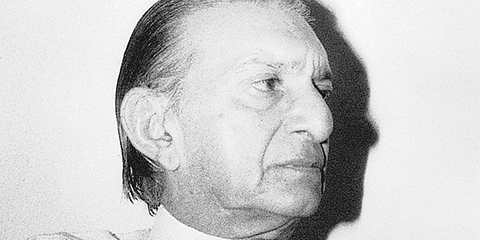
Omar Kureishi (1928-2005)
Omar Kureishi was a distinguished Pakistani writer. He worked in advertising, aviation and journalism, writing for many newspapers, including Dawn, The Pakistan Times, Morning News and The Guardian, London.
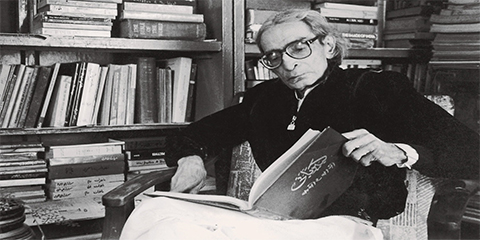
Zamir Niazi (1932-2004)
Zamir Niazi was a renowned Pakistani journalist, famous for his commitment to the freedom of the press. He worked for Dawn, Daily News and Business Recorder and also edited the monthly Recorder and the weekly Current.

Maleeha Lodhi
Maleeha Lodhi obtained her Ph.D in Politics from the London School of Economics in 1980, having received her B.Sc (Econ) from the same institution in 1976. She taught Politics and Sociology at
Khalid Akhtar (1935-2005)
Khalid Akhtar was a senior journalist who started his career in 1973 as a Sub-Editor and Editorial Writer with The New Times. He worked with The Muslim in Islamabad as its Executive Editor
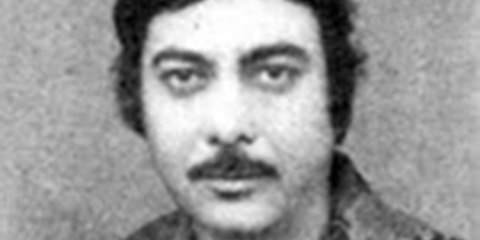
Riaz Batalvi (1937-2003)
Riaz Batalvi, a journalist, became a writer and a dramatist, giving PTV two of its best productions - Aik Haqeeqat, Aik Afsana and Dubai Chalo. Born as Riazul Hasan in February 1937 in Gurdaspur
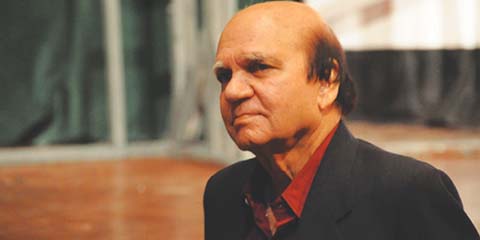
Agha Nasir (1937-2016)
Born on February 9, 1937 in Meerut, India, Agha Nasir was an outstanding director, producer, broadcaster and a TV playwright. After graduating from the University of Karachi, he started his career with a stint with Radio Pakistan in 1955.
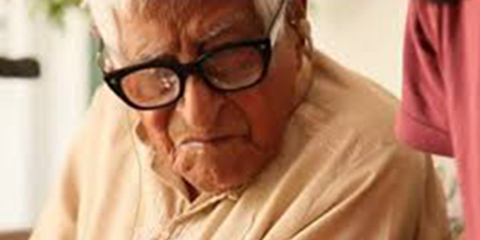
F.E. Choudhry (1909-2013)
Affectionately known as Chacha in the journalist community, F. E. Choudhry is credited to have introduced innovative features to photojournalism, such as cricket action photography, pictorial and
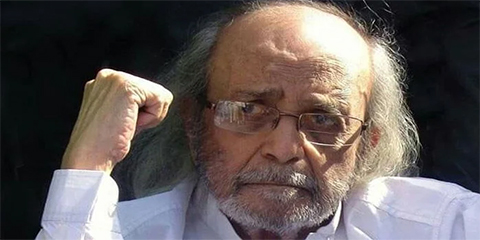
Saleem Asmi
Beginning his journalistic career in 1959, Saleem Asmi joined The Times of Karachi as a sub-editor. Like most journalists from his era, he became part of The Pakistan Times, becoming the newspaper's city editor.
Newsroom

Pele to Messi: How World Cup finals wrote football's greatest story
June 15, 2026 From Pele to Messi, World Cup finals shaped football's global story, tracing triumphs and heartbreaks and showing how the game became a shared language.
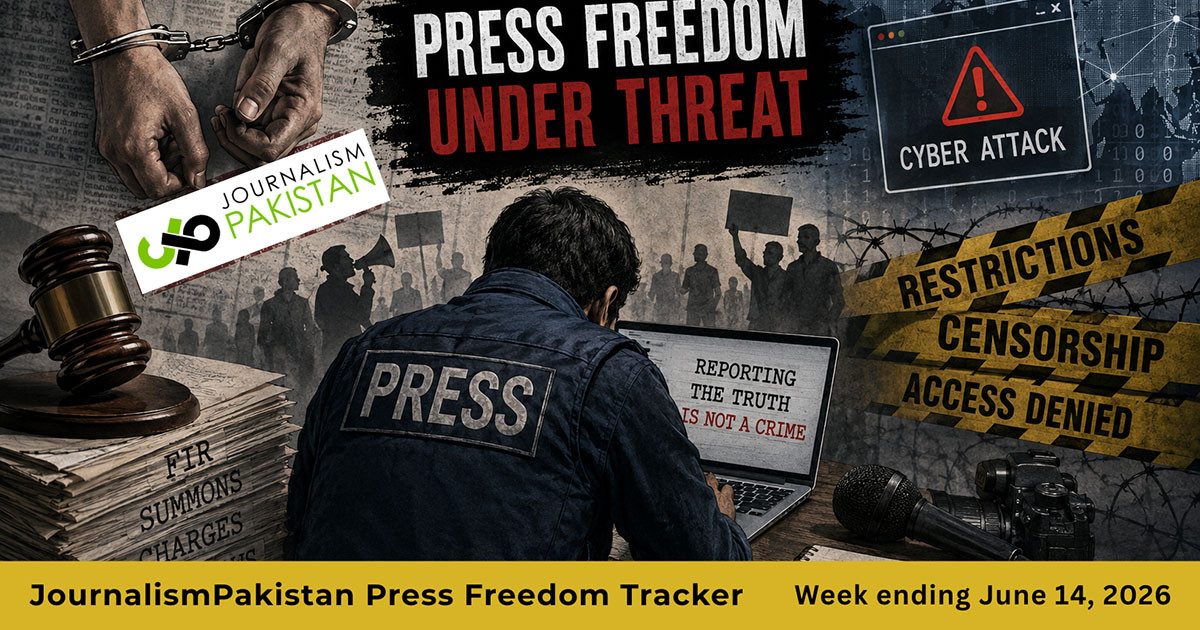
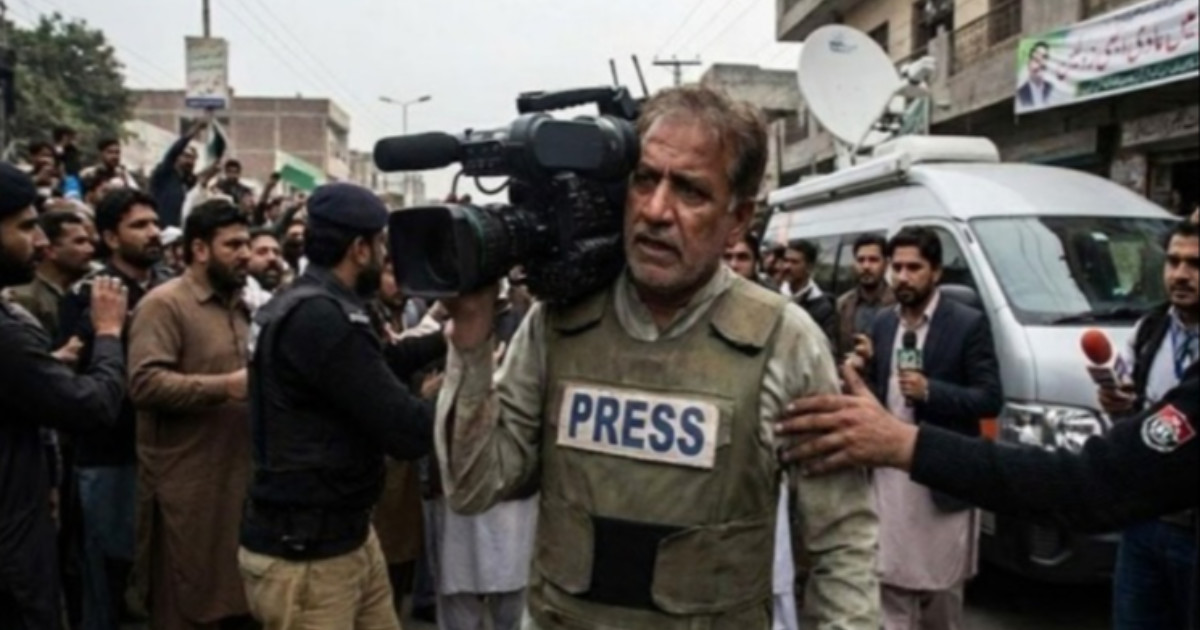
Press freedom review: From jail cells to cyberspace, threats to journalists multiply
June 14, 2026 Press freedom faces mounting challenges worldwide as journalists confront arrests, legal pressure, cyberattacks, online harassment, deportations, and reporting restrictions across multiple countries.
The right to know: Comparing access-to-information laws across Asia
June 14, 2026 Across Asia, RTI laws range from effective tools for journalism and accountability to paper laws weakened by bureaucracy, broad exemptions and poor enforcement.

Open-Source Intelligence (OSINT): How journalists verify information in the digital age
June 14, 2026 OSINT helps journalists verify social media, photos, videos, maps and public records to improve reporting accuracy and detect misinformation.
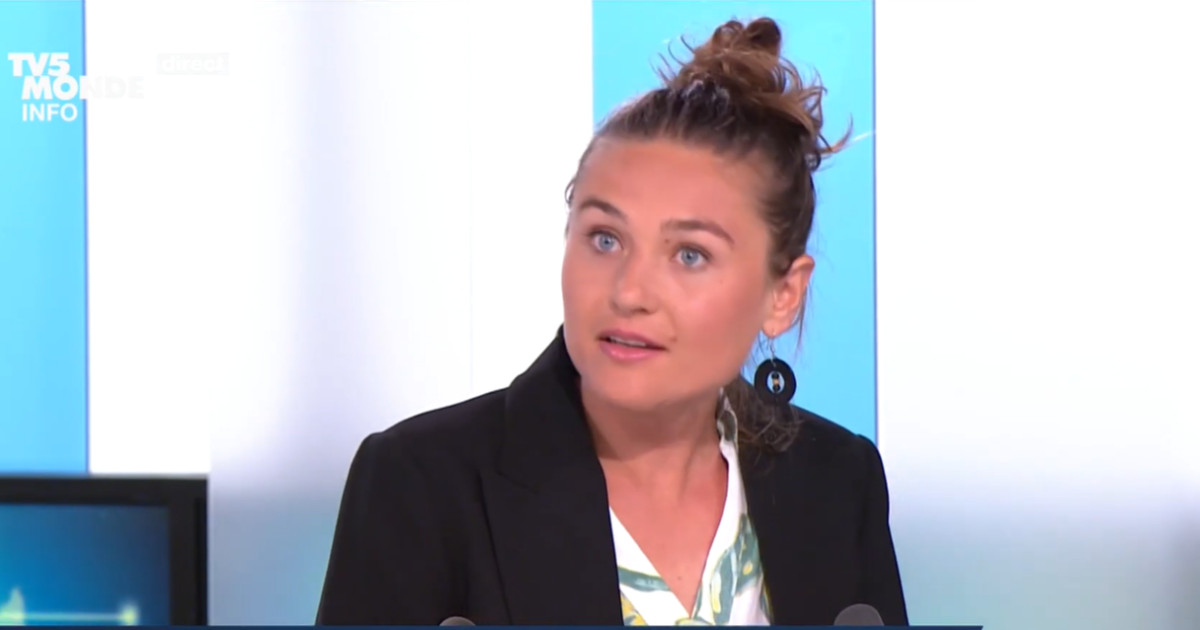
Ethiopia expels French journalist after Tigray reporting
June 13, 2026 Ethiopia expelled French reporter A. Passilly after Tigray reporting, drawing criticism from press groups as retaliatory and damaging to press freedom.
Popular Stories

Why publishers want AI companies to pay
Jun 06, 2026