.png)
Zamir Niazi (1932-2004)
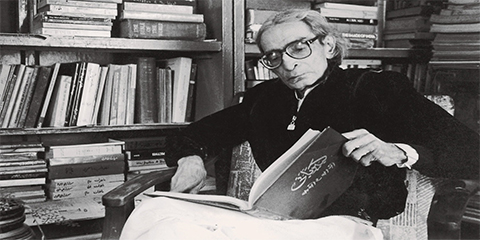
Zamir Niazi was a renowned Pakistani journalist, famous for his commitment to the freedom of the press.
He worked for Dawn, Daily News and Business Recorder and also edited the monthly Recorder and the weekly Current.
In 1995, Niazi returned his Pride of Performance award to the government, in response to its closure of six newspapers. After a long illness, he died in 2004.
When the practice of ‘press advice’ was introduced in 1965 - mostly received on telephone in the newsroom from the government’s information department, Niazi, jotted it down in a register.
After a year of hard work the ‘press advice’ became the subject of his book titled The Press in Chains. The book chronicled the excesses of various regimes, both civilian and military, against the country’s media. According to some journalists the book has been regarded as ‘the bible of press freedom.’
When the book was published (during President Zia ul Haq’s regime) it resonated with those journalists who believed in press freedom. The book has now gone in second edition and is published by Oxford University Press.
The new edition is minus two chapters on Zia ul Haq and Zulfiquar Ali Bhutto. Niazi’s sons Haris and Junaid are now on a journey of enquiry to find out how these two vital chapters were excluded from the new edition.
The second edition has been edited by veteran and well-respected journalist Zubeida Mustafa, who worked with Dawn from 1975 to 2009. There is also an introduction by Zohra Yusuf, another torch-bearer of media freedom, who is also a civil rights activist and a former journalist.
Press in Chains is recommended to callow journalists as a guide book. M. Ziauddin, Executive Editor of The Express Tribune once remarked in an obituary reference on he eminent journalist that he always keeps the book on his table and informs his staff it was to be regarded as a book of instruction.
Other noted books by late Niazi include The Press Under Siege (1992), and Web of Censorship (1994). The nuclear tests of 1998 pushed Niazi into editing Zameen ka Nauha (Elegy for the Earth), an Urdu anthology of anti-nuclear poems and essays, published on the second anniversary of Pakistan’s tests (Scherezade, Karachi, 2000).
An internationally recognized journalist and writer, Niazi felt let down that journalist today read very little: “Most journalists/reporters/writers shun reading books or absorbing themselves in serious study,” he remarked in reply to an e-mail sent by another famous journalist Anjum Niaz.
To this day, Niazi is looked upon by journalists as mentor for services rendered for freedom of expression. – Jonaid Iqbal for JournalismPakistan.com
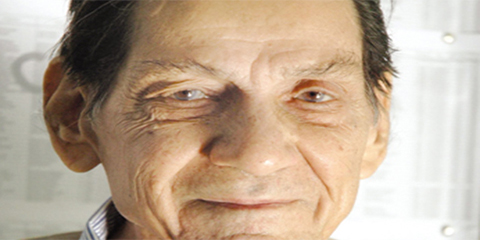
Minhaj Barna (1925-2011)
The death of Minhaj Barna in Rawalpindi at the age of 87 on January 14, 2011 marked the end of an era.Even journalists who had never met him in person were familiar with his name and his
Abdullah Malik (1920-2003)
Journalist, writer and political activist, Abdullah Malik wrote in his book Purani Mehfilain Yaad aa Ra'hi Ain: "I can declare with pride that I have spent my entire life wedded to the same commitment
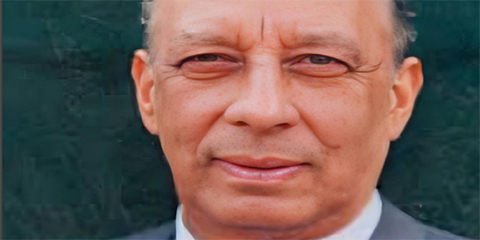
Zakir Hussain Syed (1939-2013)
Zakir Hussain Syed, affectionately called Zak, was an internationally renowned sports administrator, broadcaster and journalist. Born in the town of Sialkot on November 1, 1939, Zakir had his initial schooling at Rawalpindi's Denny's High School.
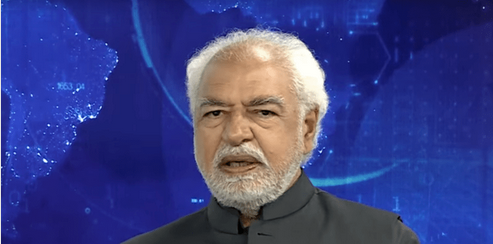
Ayaz Amir
A prominent print and television journalist, columnist, political analyst, and commentator, Ayaz Amir became known for his weekly columns in Daily Dawn. He started writing for Dawn during the government of Ziaul Haq
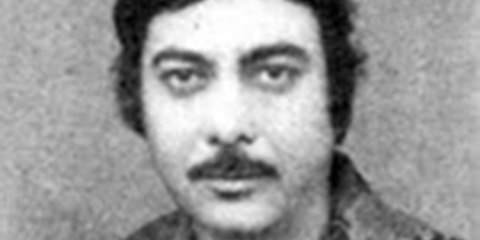
Riaz Batalvi (1937-2003)
Riaz Batalvi, a journalist, became a writer and a dramatist, giving PTV two of its best productions - Aik Haqeeqat, Aik Afsana and Dubai Chalo. Born as Riazul Hasan in February 1937 in Gurdaspur
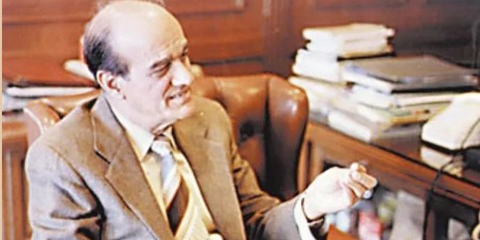
Mir Khalil-ur-Rahman (1927-1992)
Mir Khalil-ur-Rahman was the Founder and Editor of the Jang Group of Newspapers.. A self-made newspaper magnate he ranks among the most successful newspaper entrepreneurs in Asia.
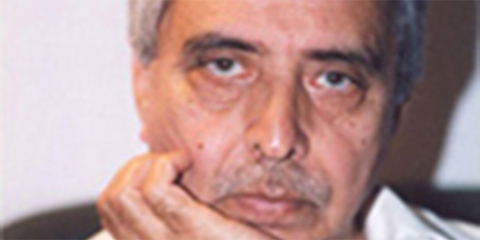
Khalid Hasan (1935-2009)
Khalid Hasan was a senior Pakistani journalist and writer. He was born in Srinagar, Kashmir. He was the brother in law of the first elected president of Azad Jammu & Kashmir K H Khurshid, private secretary
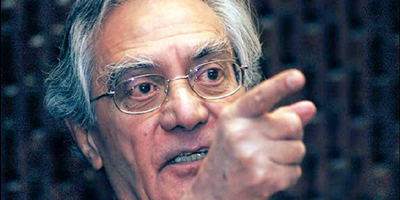
Aslam Azhar (1932-2015)
Born on 2 September 1932, Aslam Azhar is remembered as the founding father of Pakistan Television. After earning a law degree from Cambridge University, he chose not to pursue a legal career but instead immersed himself in the world of performing arts.
Newsroom

Pele to Messi: How World Cup finals wrote football's greatest story
June 15, 2026 From Pele to Messi, World Cup finals shaped football's global story, tracing triumphs and heartbreaks and showing how the game became a shared language.

Press freedom review: From jail cells to cyberspace, threats to journalists multiply
June 14, 2026 Press freedom faces mounting challenges worldwide as journalists confront arrests, legal pressure, cyberattacks, online harassment, deportations, and reporting restrictions across multiple countries.
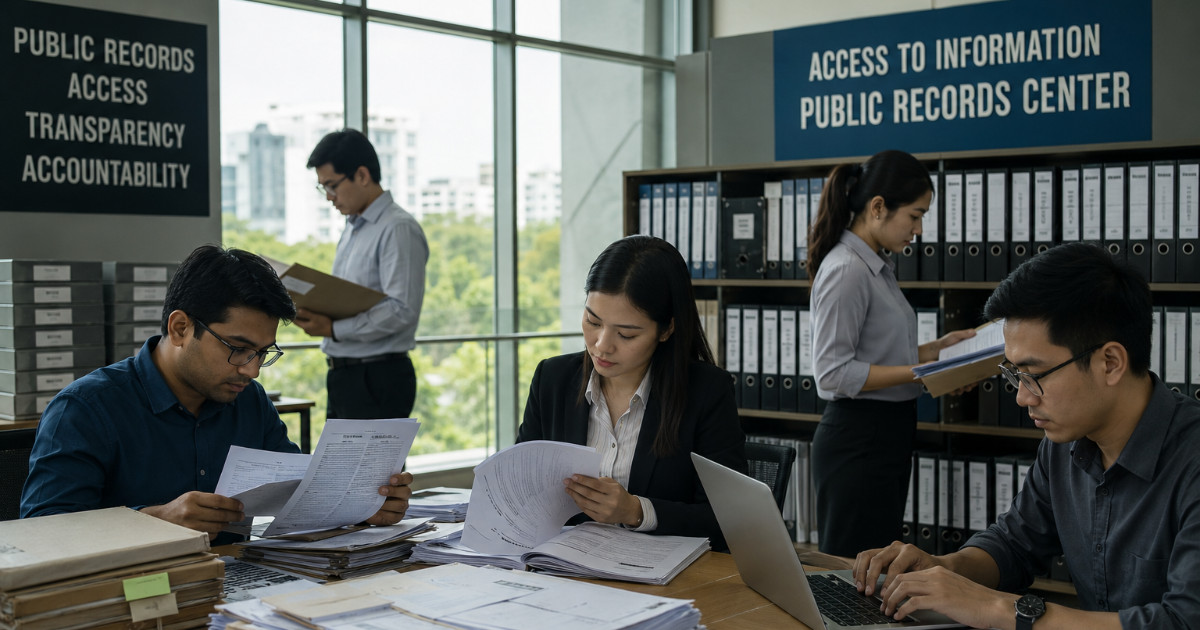
The right to know: Comparing access-to-information laws across Asia
June 14, 2026 Across Asia, RTI laws range from effective tools for journalism and accountability to paper laws weakened by bureaucracy, broad exemptions and poor enforcement.

Open-Source Intelligence (OSINT): How journalists verify information in the digital age
June 14, 2026 OSINT helps journalists verify social media, photos, videos, maps and public records to improve reporting accuracy and detect misinformation.

Ethiopia expels French journalist after Tigray reporting
June 13, 2026 Ethiopia expelled French reporter A. Passilly after Tigray reporting, drawing criticism from press groups as retaliatory and damaging to press freedom.
Popular Stories

Why publishers want AI companies to pay
Jun 06, 2026