
Global report reveals rising threats to press cartoonists
JournalismPakistan.com | Published: 5 March 2026 | JP Global Monitoring
Join our WhatsApp channel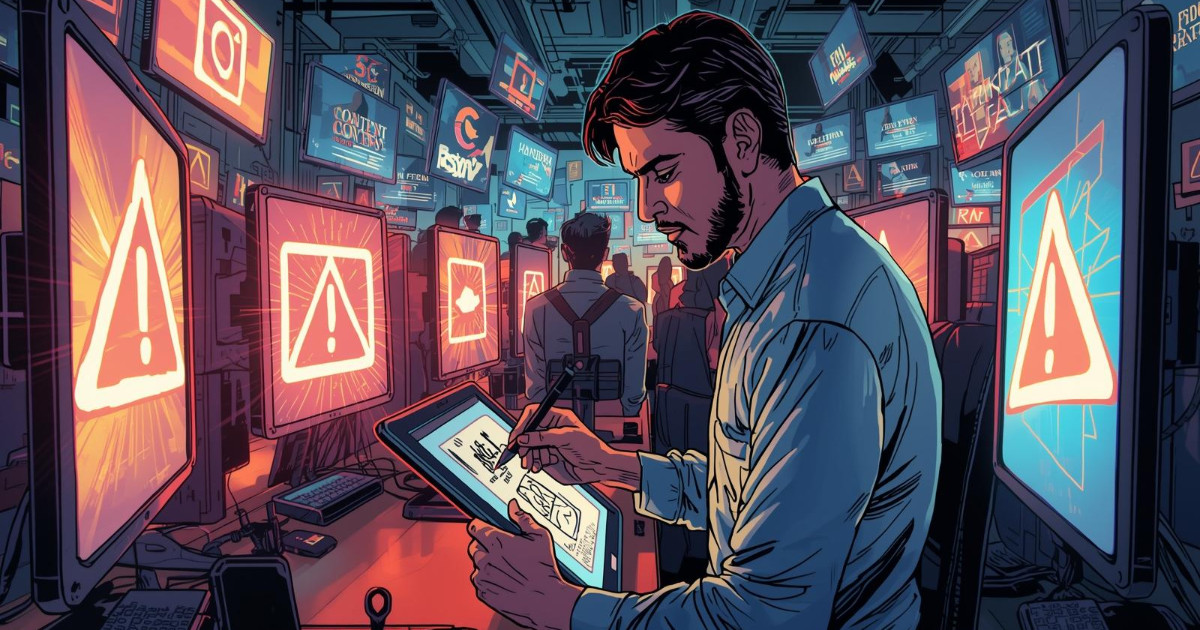
Released March 2, 2026, a global report finds growing threats, state censorship and digital harassment against press cartoonists, especially in authoritarian countries, and warns that automated moderation and platform takedowns worsen their vulnerability.Summary
LYON, FRANCE — A new international report has revealed a sharp increase in threats, censorship, and digital harassment targeting press cartoonists worldwide, raising concerns over freedom of expression and democratic debate.
“Under Pressure”: Report on the Situation of Threatened Press Cartoonists Worldwide (2023–2025) was released on March 2, 2026, by Cartooning for Peace in collaboration with Cartoonists Rights, the Freedom Cartoonists Foundation, FORHUM, Columbia Global Freedom of Expression (Columbia University), and Reporters Without Borders (RSF).
Rising pressure on editorial cartoonists
The report, based on two years of data collection, shows that cartoonists are facing intensifying pressures, particularly in countries with growing authoritarian tendencies and shrinking democratic spaces. Threats include state-imposed censorship, legal harassment, and online abuse. Contributors, including Charlie Hebdo publishing director Riss, and specialists from Artists at Risk Connection and the Freedom Cartoonists Foundation, provide insights into regional challenges and thematic studies on online safety, censorship, and backlash.
Digital suppression and platform challenges
Beyond traditional pressures, the report highlights increasing digital suppression. Automated moderation, social media takedowns, and algorithmic misclassification often remove satirical content unjustly, limiting cartoonists’ ability to hold power to account. The study includes concrete recommendations to enhance protections for cartoonists and ensure safer online environments.
Distribution and follow-up
“Under Pressure” continues a series of studies, following the 2020–2022 report, and is part of a UNESCO-supported project through the Global Media Defence Fund. The report was publicly unveiled at the Festival International du Dessin de Presse et des Médias ÇA PRESSE in Lyon on March 5, 2026. Digital copies are available on the Cartooning for Peace and Cartoonists Rights websites.
WHY THIS MATTERS: For Pakistani media professionals, the report underscores the vulnerabilities journalists and cartoonists face from both legal and digital pressures. It highlights the importance of newsroom strategies to safeguard satirical content and monitor platform policies that may inadvertently restrict freedom of expression. Understanding these global trends can help local media organizations better prepare for challenges to editorial independence.
ATTRIBUTION: Based on a March 2, 2026, report by Cartooning for Peace and a public statement released the same day by Reporters Without Borders.
PHOTO: AI-generated; for illustrative purposes only.
Key Points
- A report released March 2, 2026, by Cartooning for Peace, with multiple partners, documents rising threats to press cartoonists.
- Data over two years shows increased state censorship, legal harassment, and online abuse, particularly in shrinking democratic spaces.
- Digital suppression is cited as a growing problem, including automated moderation, takedowns, and algorithmic misclassification of satire.
- Contributors include industry specialists and figures, offering regional and thematic analysis.
- The study issues concrete recommendations to improve protections and safer online environments for cartoonists.
Key Questions & Answers
What is the main finding of the report?
The report finds a rising wave of threats, state censorship and digital harassment targeting press cartoonists worldwide.
When and who released the report?
The report was released on March 2, 2026, by Cartooning for Peace in collaboration with several organisations including Reporters Without Borders and Columbia Global Freedom of Expression.
What digital issues does the study highlight?
It highlights automated moderation, algorithmic misclassification and social media takedowns as key drivers of digital suppression for satirical content.
Does the report offer solutions?
Yes; it contains concrete recommendations aimed at enhancing legal, physical and digital protections for cartoonists and improving platform safety.
Relevant Topics
Ask AI: Understand this story your way
AI EnabledDig deeper, ask anything — get instant context, background, and clarity.
Disclaimer: This feature is powered by AI and is intended to help readers explore and understand news stories more easily. While we strive for accuracy, AI-generated responses may occasionally be incomplete or reflect limitations in the underlying model. This feature does not represent the editorial views of JournalismPakistan. For our full, verified reporting, please refer to the original article.