
Rights groups condemn Asia press crackdowns
JournalismPakistan.com | Published: 15 December 2025
Join our WhatsApp channel
Rights groups have coordinated responses against recent crackdowns on journalism across Asia. They emphasize the need for legal protections for media and critical reporting.Summary
SINGAPORE — International press freedom organizations issued coordinated condemnations over December 14–15 targeting a series of crackdowns on journalism across Asia, citing convictions, detentions, and regulatory actions affecting media outlets and reporters.
The statements, released by groups including the Committee to Protect Journalists and Reporters Without Borders, urged governments to respect legal safeguards for journalism and to stop using national security, criminal, or administrative laws to silence critical reporting.
Coordinated international response
Press bodies said the timing and scope of the actions reflected a broader regional trend in which authorities rely on expansive legal frameworks to control information and restrict scrutiny. The organizations emphasized that such measures undermine public interest reporting and weaken institutional accountability.
They called on governments to ensure due process, drop charges that criminalize routine journalistic work, and align domestic laws with international standards protecting freedom of expression.
Limited policy impact so far
Despite heightened international attention, rights groups acknowledged that similar interventions in the past have produced limited immediate policy change. Governments facing criticism have often defended their actions as lawful or necessary for public order and security.
Analysts note that while coordinated statements increase diplomatic and reputational pressure, tangible outcomes typically depend on sustained engagement by foreign governments, multilateral institutions, and domestic courts.
Implications for newsrooms and funders
The latest condemnations highlight growing operational risks for news organizations working in or covering parts of Asia. Media managers and funders are increasingly factoring legal exposure, source protection, and staff safety into editorial planning and cross-border collaborations.
Press bodies said continued monitoring and documentation would be essential to support affected journalists and to maintain international focus on press freedom conditions in the region.
ATTRIBUTION: Reporting based on public statements from the Committee to Protect Journalists, Reporters Without Borders, and allied press freedom organizations.
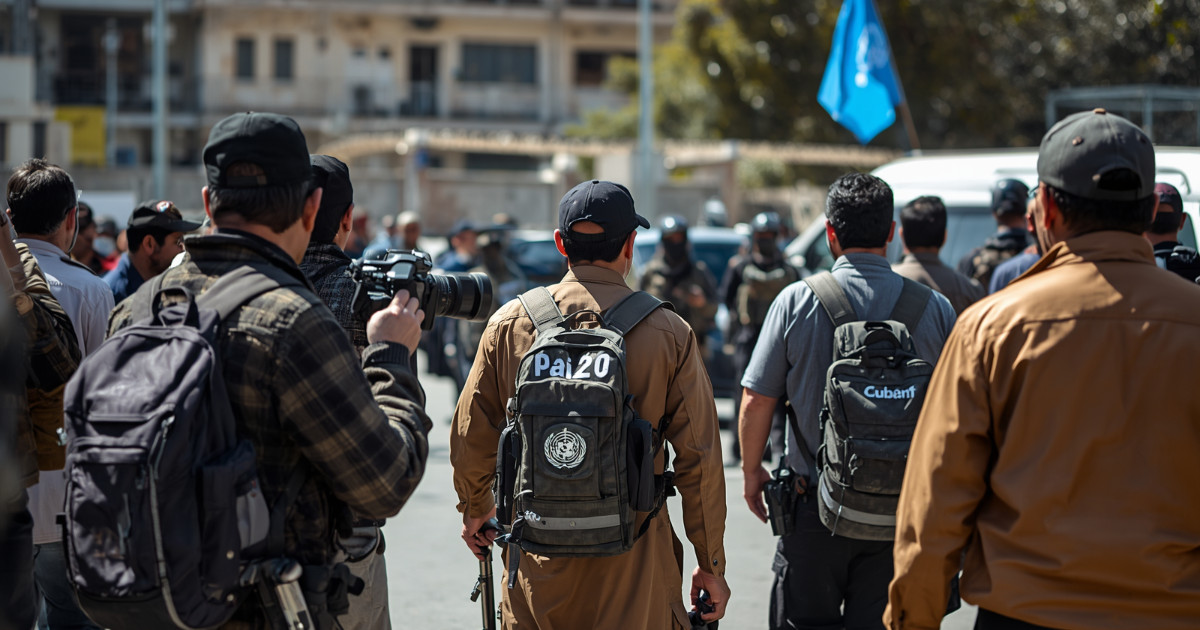
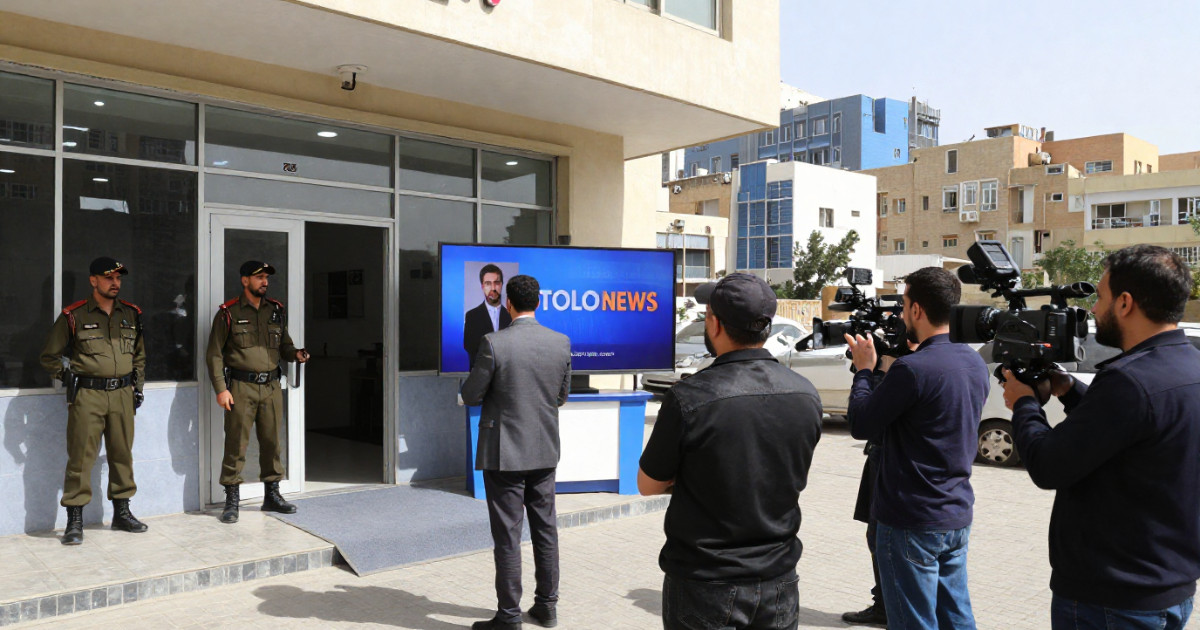
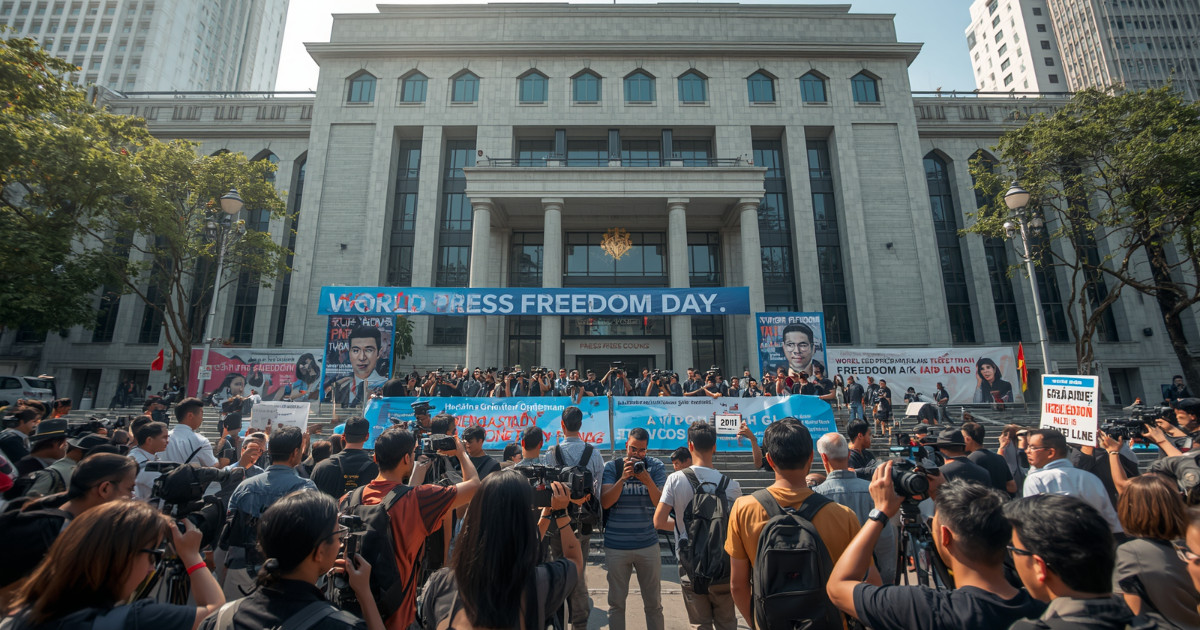
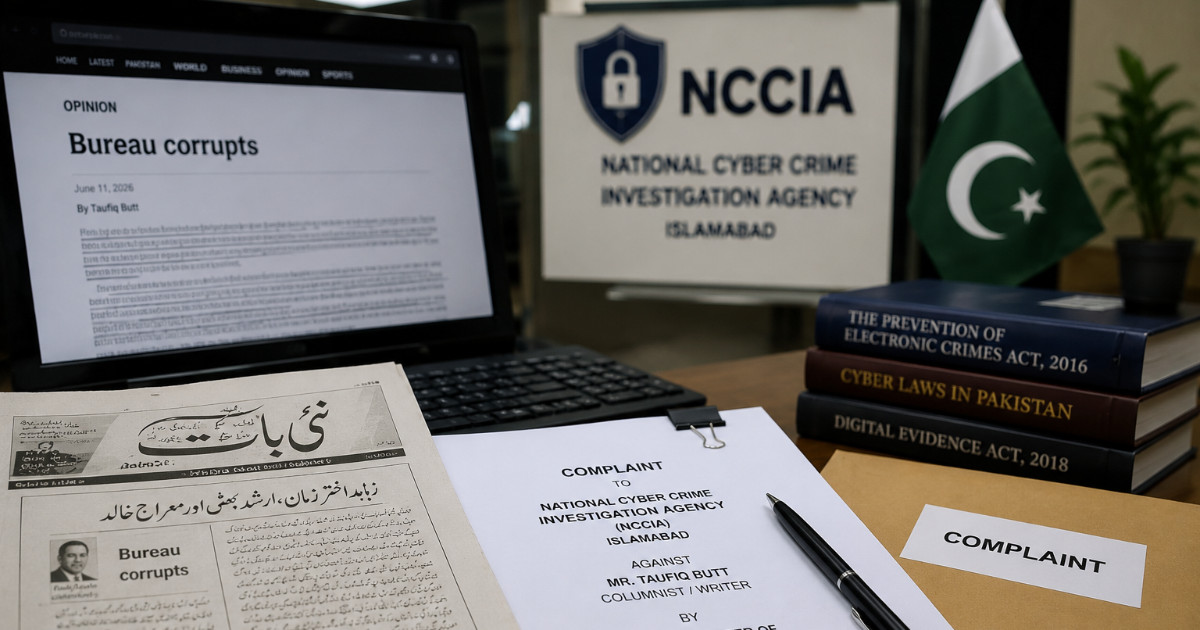
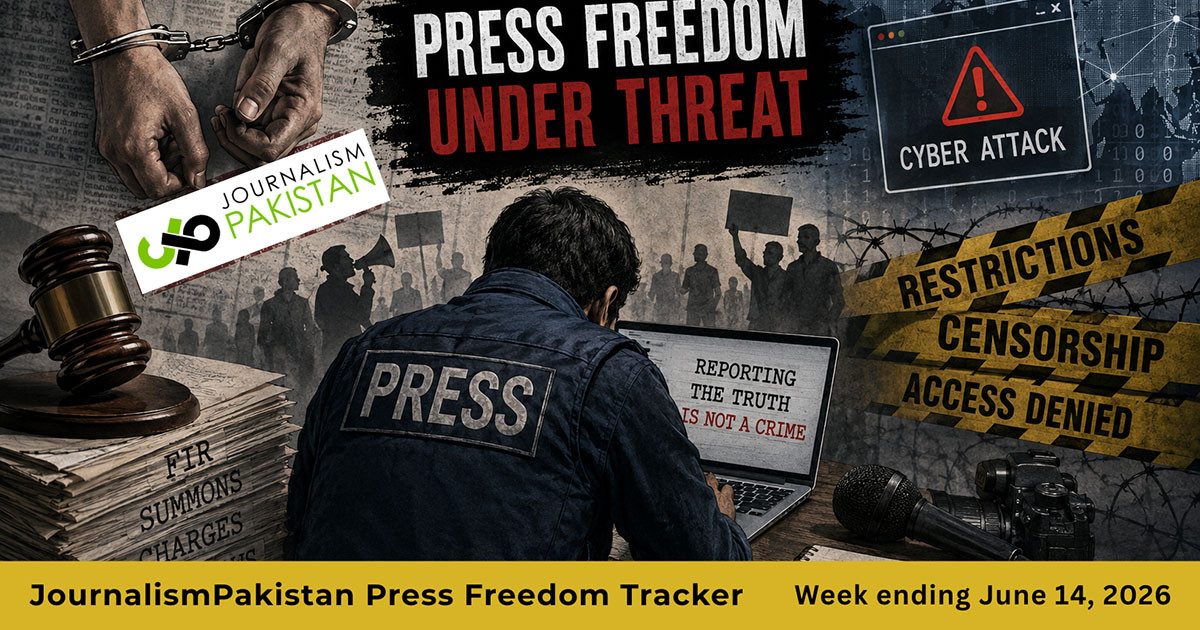
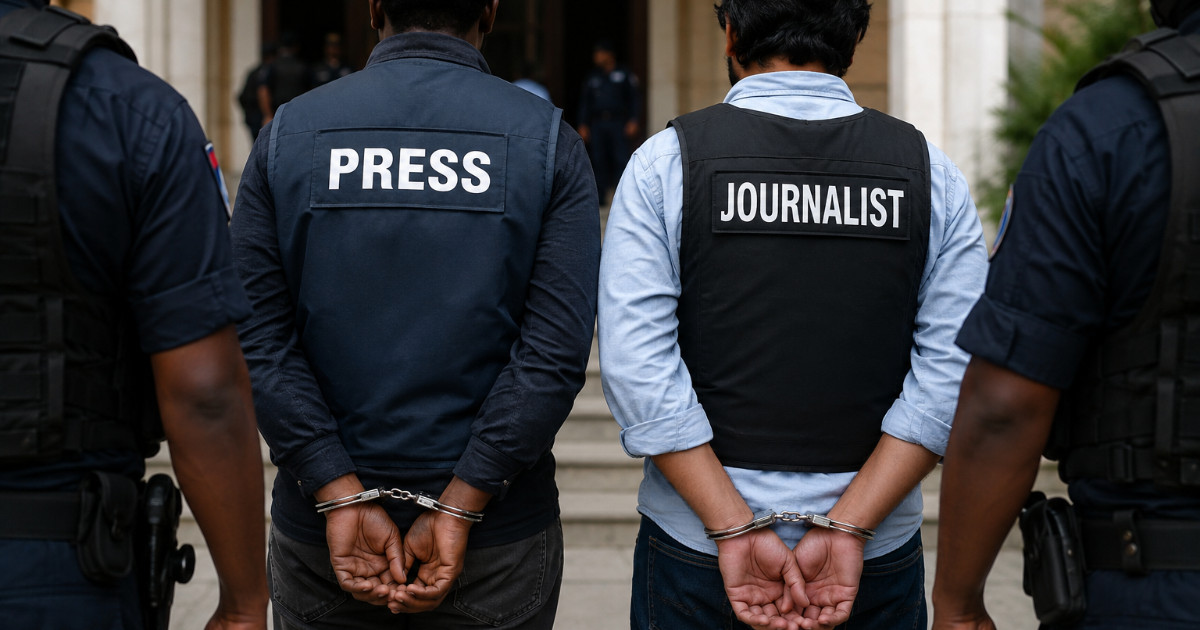
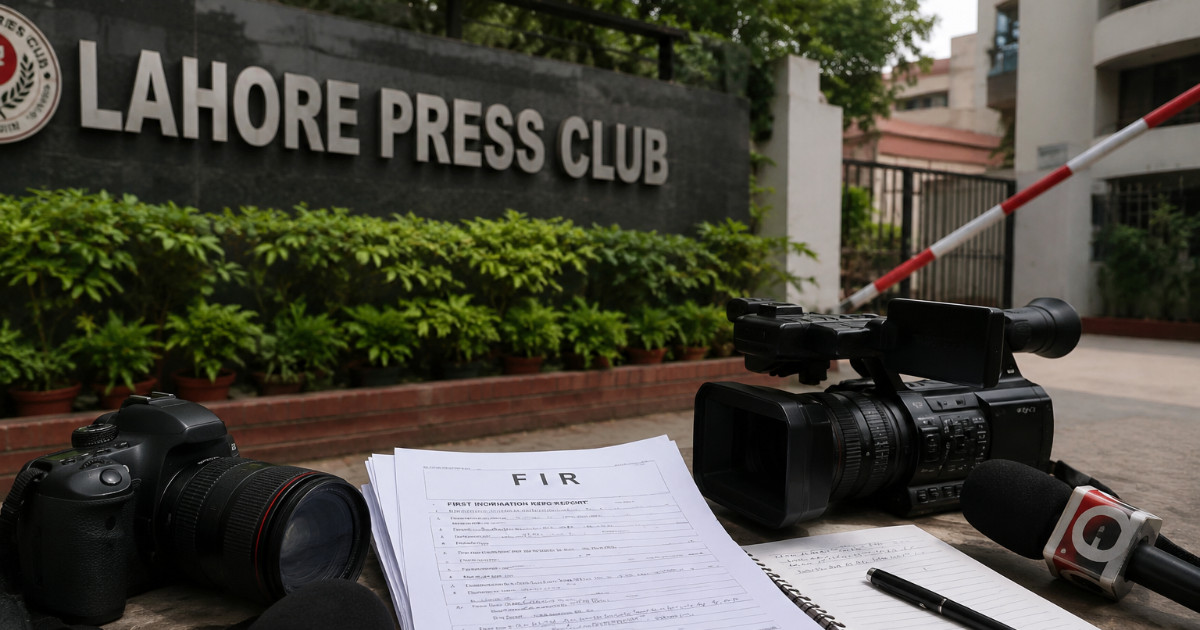
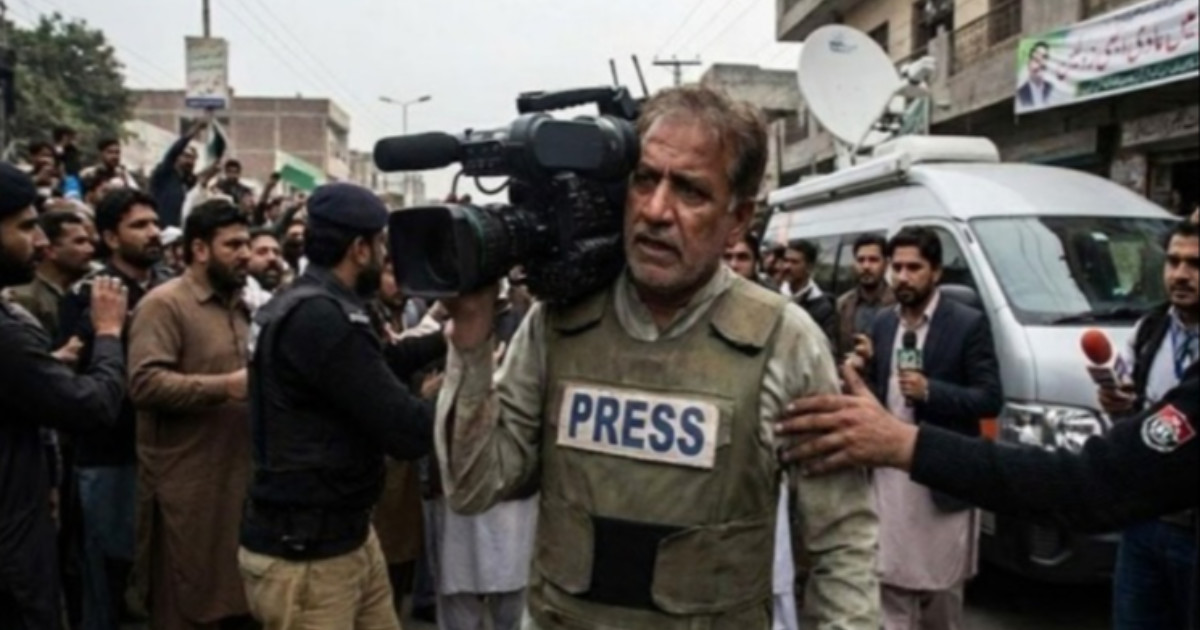
PHOTO: AI-generated; for illustrative purposes only.
Key Points
- Press freedom groups condemned the December crackdowns affecting journalists across Asia
- Organizations cited convictions, detentions, and regulatory measures restricting reporting
- Statements urged governments to stop using security and administrative laws against the media
- International pressure has risen, but policy changes remain limited
- Newsrooms face growing legal and source-protection risks in the region
Relevant Topics
Ask AI: Understand this story your way
AI EnabledDig deeper, ask anything — get instant context, background, and clarity.
Disclaimer: This feature is powered by AI and is intended to help readers explore and understand news stories more easily. While we strive for accuracy, AI-generated responses may occasionally be incomplete or reflect limitations in the underlying model. This feature does not represent the editorial views of JournalismPakistan. For our full, verified reporting, please refer to the original article.