.jpg)
Divided media industry more of a threat to workers, says Raza Rumi
JournalismPakistan.com | Published: 3 May 2014
Join our WhatsApp channel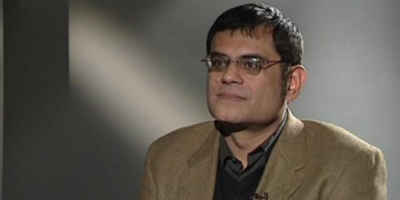
Raza Rumi discusses the dangers faced by media workers in Pakistan amid a fractured media industry. He emphasizes the need for better protections and support from the government.Summary
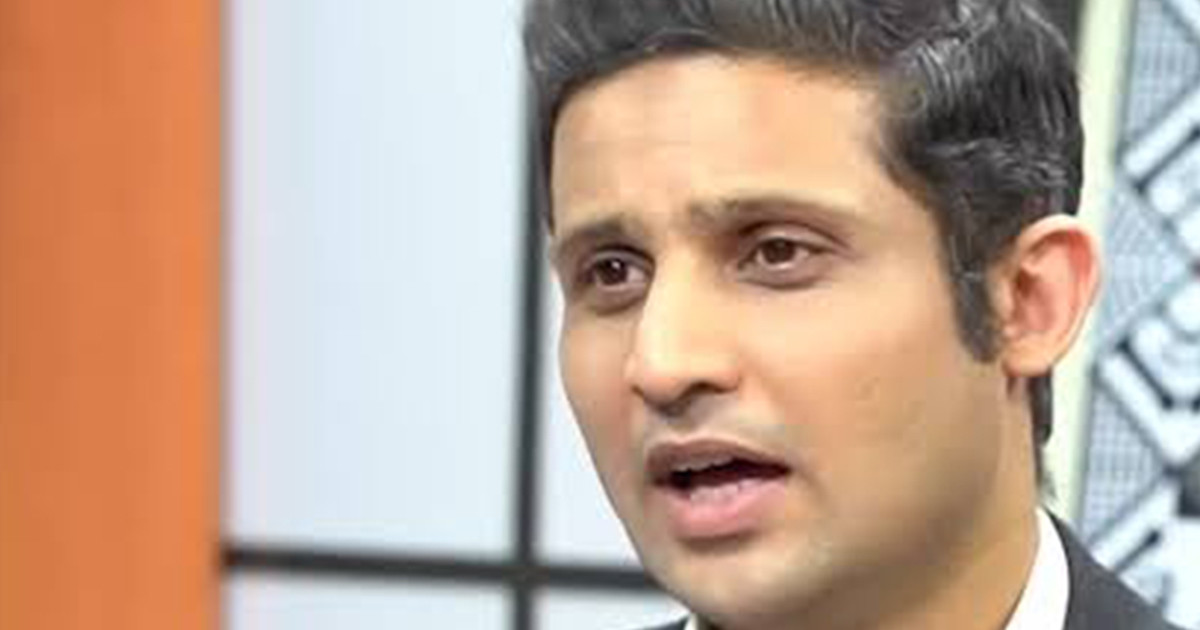
ISLAMABAD: Journalist Raza Rumi, who had to leave the country after extremists attempted to assassinate him, says the divided media industry is more of a threat to media workers now.
"I do remember that the assassination attempt on me and the death of a young man from a poor family and a sole breadwinner, did not move the Jang Group in the least," Rumi wrote in a op-ed piece published in The Express Tribune Saturday.
Headlined 'Moving ahead after the attack', Rumi noted that what was happening to Express Group invited almost no coverage or debate from other channels.
Rumi, who hosts a show on Express Television and is a consulting editor at the Friday Times, pointed out that Geo had tried to make amends and mentioned the attack on Express (including him) only when one of its staffers was attacked and its controversial reporting on the ISI invited widespread adverse reactions in print, electronic and most notably social media.
He noted that this was somewhat encouraging but much more would need to be done by all stakeholders in moving towards safeguarding the freedoms that the Pakistani media has earned after a long struggle and countless sacrifices.
Rumi wrote that the government and the prime minister's response had also been curious. "I am not a conspiracy theorist who would jump to conclusion that the ruling party is backing a particular channel and its tirade against the ISI.
"However, it is intriguing that in the case of Express Group, no such alacrity was shown by the prime minister. This group has been attacked almost half a dozen times - how many rewards have been announced for identifying the killers? How many speedy high-powered commissions have been set up to investigate who terrorize the media workers?
Rumi however, made it clear that he was not speaking for his group and his views were personal.
He went on to say that he could not help wonder if the loss of four lives from Express Group were not worthy of the prime minister's attention. "I have been struggling to set up a fund for my slain driver's family, but there has been no compensation announced for his family by either the provincial or the federal government. Was he not a victim of terror? Or should his family name the ISI as the potential attacker to gain sympathy and action?"
Rumi wrote that the media houses own failings to protect and insure staffers are all too well known. "More so, the apparent lack of unity in the ranks of the media industry is alarming.....the conduct of some colleagues has also been questionable and betrays the declining values of our society. Our pluralistic and humanistic legacies are seriously under attack and the media is only reflecting what is happening in the society at large."
He concluded that all said and done, the buck stops at the door of the civilian government(s). "They will have to ensure that the security environment improves."
Key Points
- Raza Rumi advocates for better safety measures for media workers.
- The divided media landscape poses significant threats to journalists.
- Government response to media attacks has been inadequate.
- Rumi reflects on the lack of solidarity among media houses.
- Calls for action to improve security for journalists in Pakistan.
Relevant Topics
Ask AI: Understand this story your way
AI EnabledDig deeper, ask anything — get instant context, background, and clarity.
Disclaimer: This feature is powered by AI and is intended to help readers explore and understand news stories more easily. While we strive for accuracy, AI-generated responses may occasionally be incomplete or reflect limitations in the underlying model. This feature does not represent the editorial views of JournalismPakistan. For our full, verified reporting, please refer to the original article.