
Civic freedoms report warns shrinking space for media
JournalismPakistan.com | Published: 11 December 2025 | JP Asia Desk
Join our WhatsApp channel
The CIVICUS People Power Under Attack 2025 report reveals alarming restrictions on journalism and civic freedoms in the Asia-Pacific region. It indicates that most countries in the area face significant legal and societal pressures that constrain media operations.Summary
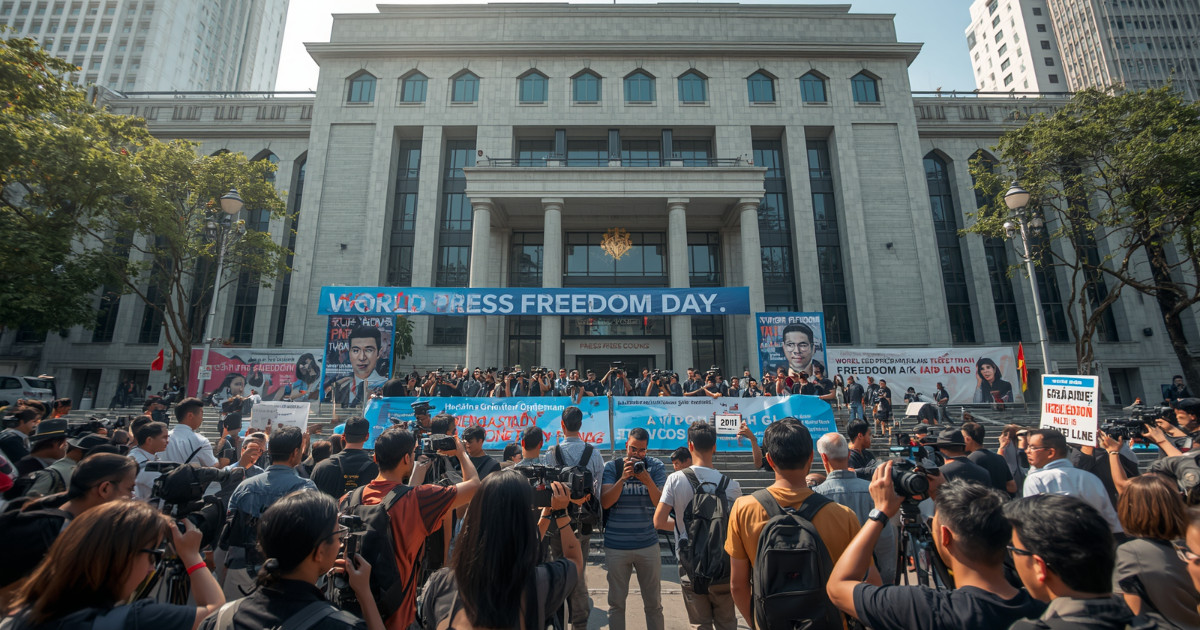
UNITED NATIONS — A major global civic space report published earlier this week highlights a marked deterioration in fundamental freedoms that underpin independent journalism and media operations, with particular implications for countries across the Asia-Pacific region. The 2025 People Power Under Attack report from CIVICUS Global Alliance finds that civic space conditions have worsened overall, with many countries restricting freedoms of assembly, expression, and association that are essential for press freedom.
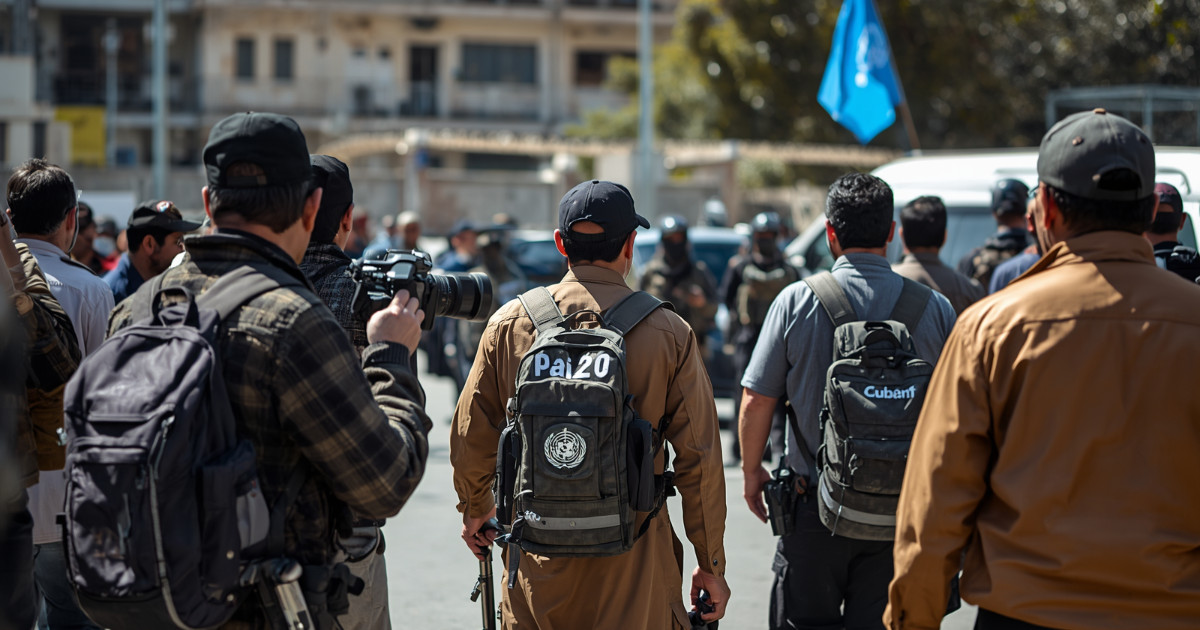
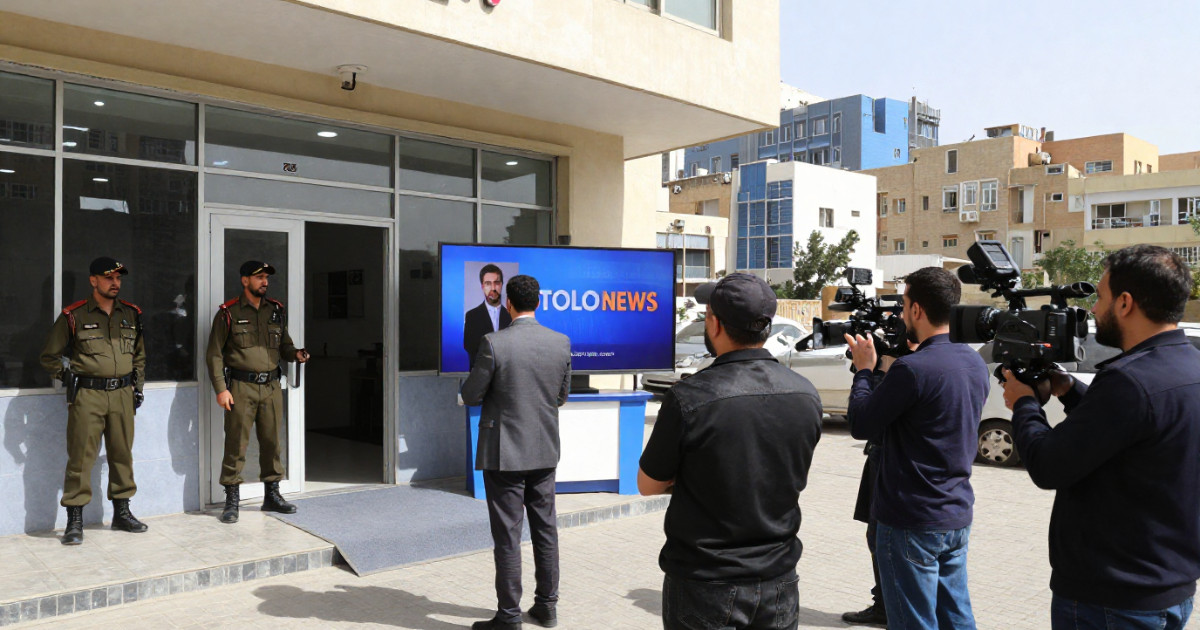
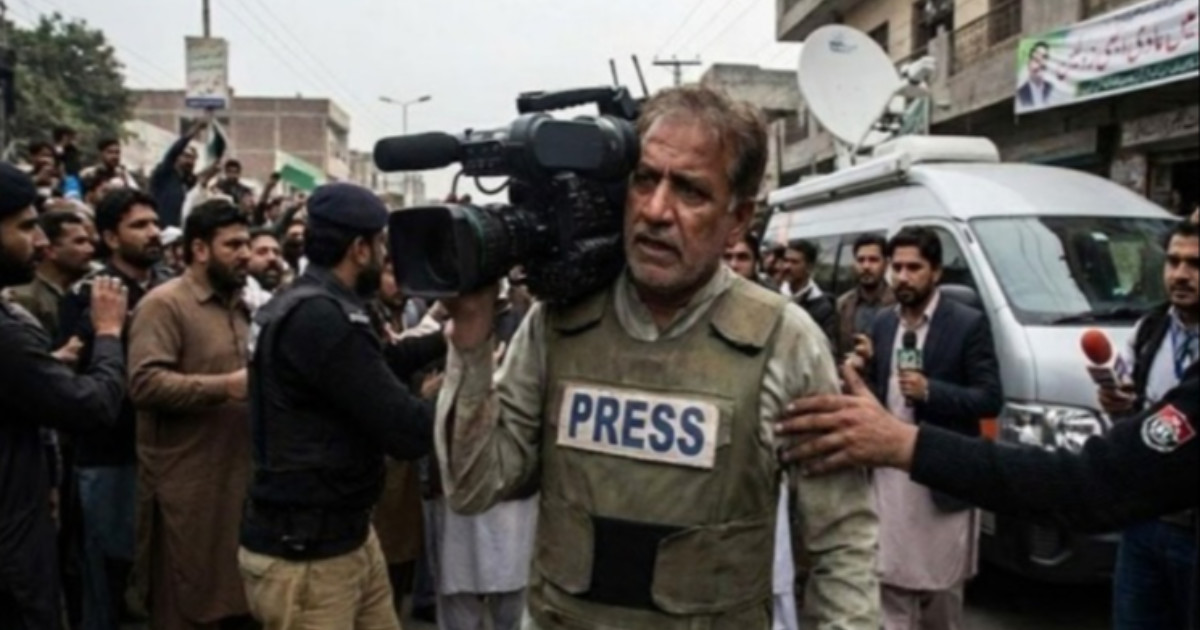
The report notes that in more than 85 percent of Asia-Pacific countries, civic space is rated as repressed or closed, meaning journalists and media outlets face intensified legal constraints, arbitrary arrests, harassment, and heightened digital repression. Documented violations during 2025 include arbitrary detention of protesters and activists, which frequently impacts reporters covering public demonstrations and civic actions.
Japan and Taiwan stand out with open ratings
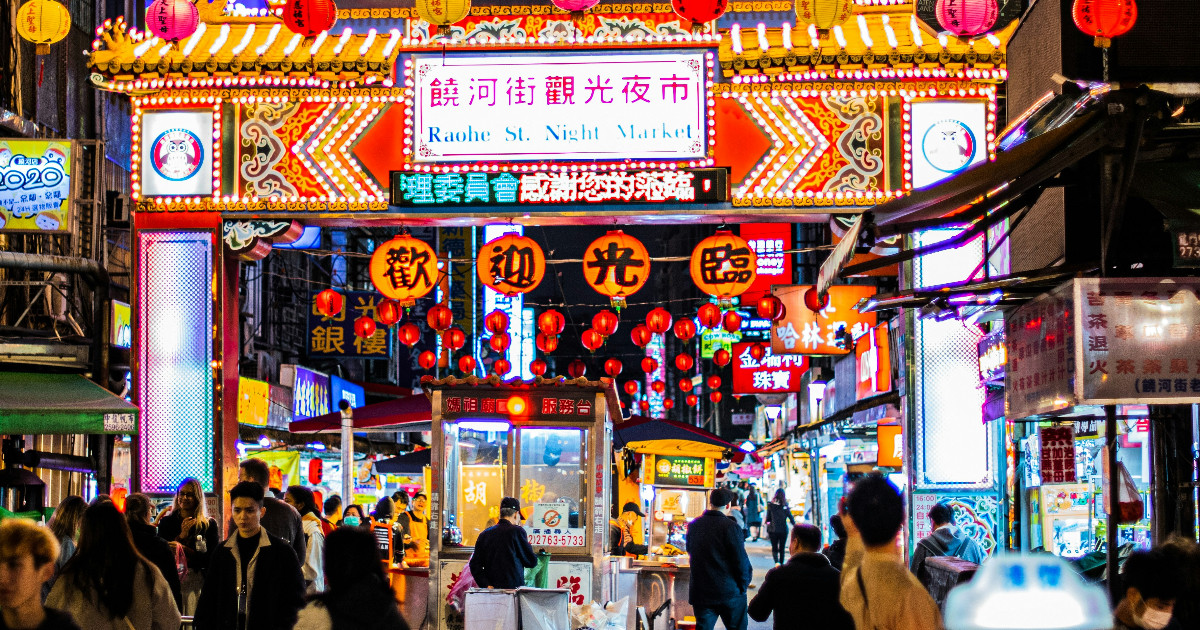
Only a small number of states in the region, including Japan and Taiwan, retain ratings described as open civic space, reporting relatively fewer restrictions on independent media and protest coverage compared with the broader regional trend.
In contrast, countries such as the Philippines remain classified as repressed, with documented instances of arbitrary arrests, disappearances of activists, and censorship concerns related to cultural and political programming that also affect the media environment. Journalists and media workers in these settings operate under considerable pressure and legal risk when reporting on government policy or dissent.
Deterioration compounds risks for journalists
The CIVICUS findings underscore that detained protesters, protest restrictions, and broad legal measures to curb digital dissent also serve to constrain journalism, curtailing coverage of civic issues and deterring reporters through legal or physical threats. Media professionals and newsroom leaders are advised to consider enhanced safety protocols, secure digital practices, and collaboration with civil society advocates to mitigate these risks.
ATTRIBUTION: Reporting is based on the CIVICUS People Power Under Attack 2025 report and related coverage from Civic News sources (IPS News).
Key Points
- CIVICUS report shows deterioration in journalism freedoms globally.
- Over 85% of Asia-Pacific countries rated as repressed or closed for civic space.
- Journalists experience arrests, harassment, and digital suppression linked to protests.
- Japan and Taiwan are exceptions with open civic space ratings.
- Media professionals encouraged to enhance safety measures to mitigate risks.
Relevant Topics
Ask AI: Understand this story your way
AI EnabledDig deeper, ask anything — get instant context, background, and clarity.
Disclaimer: This feature is powered by AI and is intended to help readers explore and understand news stories more easily. While we strive for accuracy, AI-generated responses may occasionally be incomplete or reflect limitations in the underlying model. This feature does not represent the editorial views of JournalismPakistan. For our full, verified reporting, please refer to the original article.