
After the ISPR denial: What’s next for Sohail Warraich and Jang-Geo?
JournalismPakistan.com | Published: 21 August 2025 | JP Special Report
Join our WhatsApp channel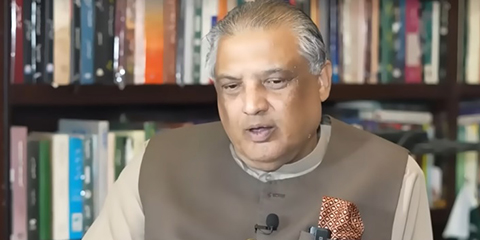
Sohail Warraich faces accusations from the military's media wing over alleged fabrication of a story regarding Imran Khan. This controversy highlights significant concerns around journalistic accountability in Pakistan.Summary
ISLAMABAD — The latest controversy surrounding senior journalist Sohail Warraich has shaken Pakistan’s media landscape and reignited questions about journalistic accountability. Just days after urging jailed former Prime Minister Imran Khan to reconcile with the establishment for his freedom, Warraich has been publicly accused by the military’s media wing of fabricating a story.
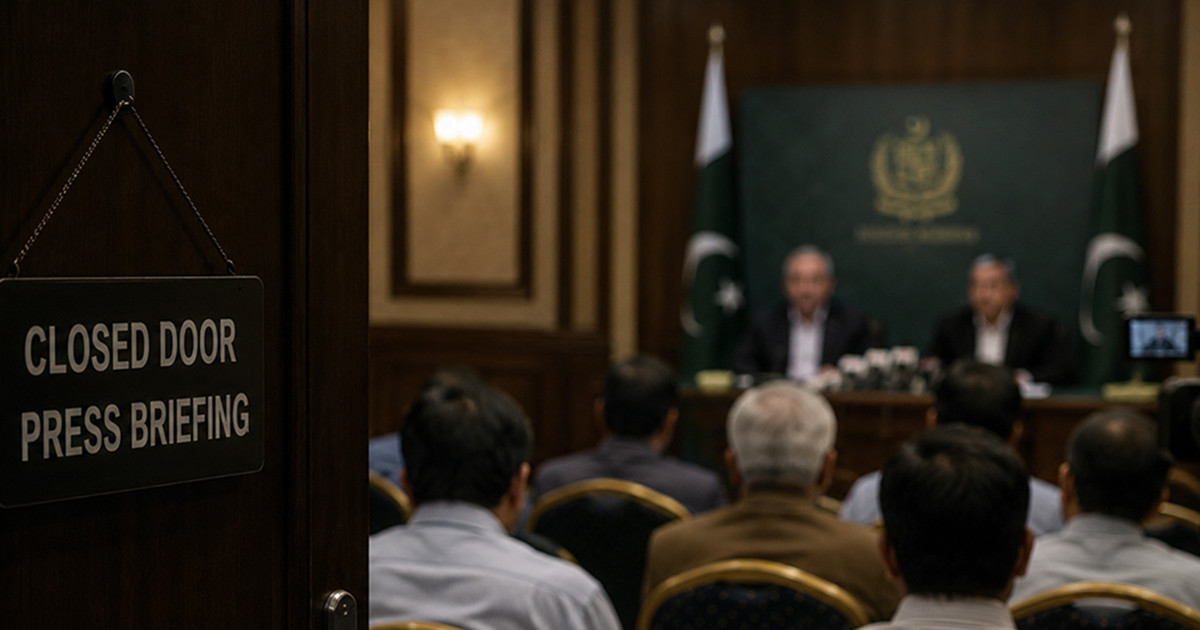
At a Thursday press briefing, ISPR Director General Lt. Gen. Ahmed Sharif Chaudhry refuted Warraich’s claim that Army Chief Gen. Asim Munir had discussed Imran Khan during an event in Brussels. “In Brussels, the army chief made no mention of PTI founder,” Gen. Chaudhry said. “Sohail Warraich made up the story for personal gain. He attended the event along with hundreds of others, where the army chief spoke.”
The ISPR also suggested that Jang-Geo, Warraich’s organization, should have exercised greater editorial oversight before publishing the report. The public statement raises an important question: will the Pakistan Electronic Crimes Act (PECA) now be invoked against one of the country’s most prominent journalists?
The backdrop of this controversy is Warraich’s recent series of columns on Khan’s imprisonment. In Musafir banam Qaidi Number 804, Warraich warned Khan that resisting reconciliation with the military could endanger his life, drawing historical parallels to former Prime Minister Zulfikar Ali Bhutto. In earlier reporting, he claimed a two-hour private meeting with Gen. Munir, suggesting Khan could win release through a “sincere apology.”
The ISPR’s denial challenges the credibility of these claims and, by extension, the editorial rigor of Jang-Geo. Social media and journalistic communities have not held back. Journalist Saddia Mazhar wrote: “The journalist whom the press fraternity elevated to the pinnacle of journalism now faces a lesson of his own… Does PECA also apply to him, or is it enforced only on ordinary people?”
Critics have called the situation a test of press freedom and media responsibility. Senior analyst Imtiaz Alam accused Warraich of “advancing authoritarian narratives,” while others labeled the reporting as “Heera Mandi-style journalism,” reflecting deep frustration with perceived bias.
What happens next remains speculative. Several possibilities are emerging:
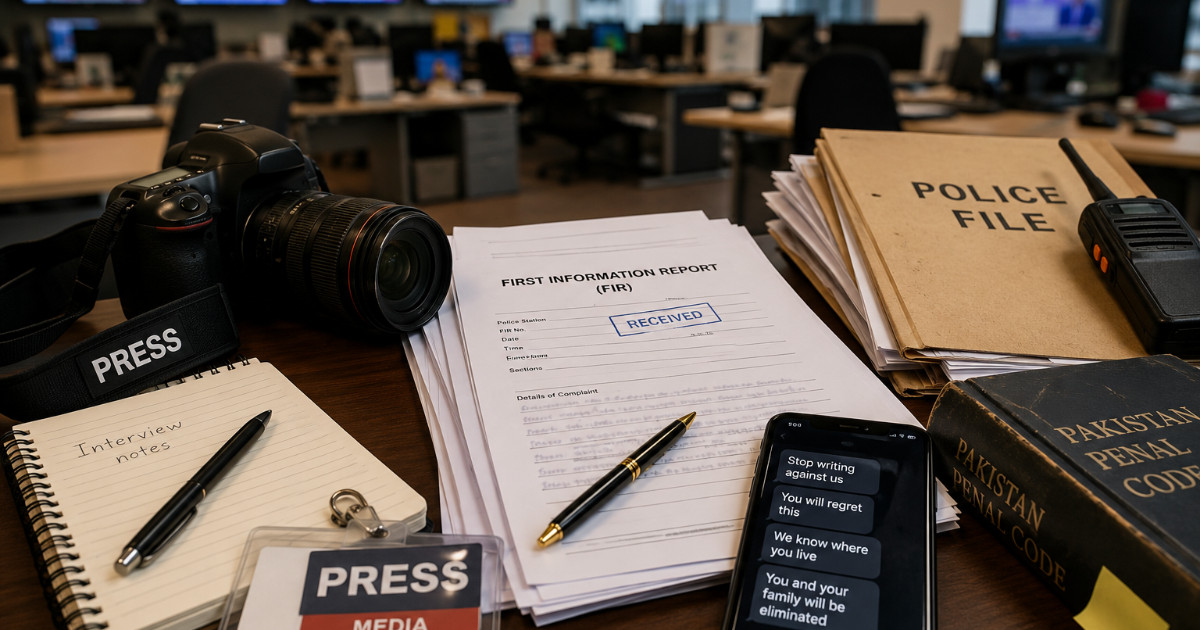
PECA Proceedings: While no formal action has yet been announced, the public nature of the ISPR’s statement suggests potential legal scrutiny under the PECA framework, which could target dissemination of “false or misleading information” deemed detrimental to public order.
Editorial Accountability: Jang-Geo could face internal and external pressure to issue clarifications or apologies, especially if further investigations highlight lapses in fact-checking or editorial oversight.
Media Reputation Impact: Beyond legal and organizational consequences, Warraich’s credibility is at stake. For a journalist of his stature, rebuilding trust with peers and the public could be a lengthy and arduous process.
Political Reverberations: Given the sensitive political context surrounding Imran Khan’s imprisonment, any fallout could influence public perception, intensify polarization, and affect the broader relationship between Pakistan’s media and the establishment.
In short, Warraich’s columns may have crossed a line in a highly charged environment where narrative control and factual accuracy are under intense scrutiny. Whether through legal proceedings, organizational corrections, or reputational damage, the coming weeks will likely determine if senior journalists in Pakistan are held to the same standards as everyone else. The media community and the public now watch closely: will accountability be enforced equally, or will influence and stature shield even the most prominent voices?
Key Points
- Accusations against Warraich come after comments on Imran Khan's situation.
- ISPR denies Warraich's claims about Gen. Munir's comments in Brussels.
- Potential legal implications under the Pakistan Electronic Crimes Act.
- Calls for editorial oversight at Jang-Geo due to the controversy.
- Impact on Warraich's credibility and the broader media landscape remains to be seen.
Relevant Topics
Ask AI: Understand this story your way
AI EnabledDig deeper, ask anything — get instant context, background, and clarity.
Disclaimer: This feature is powered by AI and is intended to help readers explore and understand news stories more easily. While we strive for accuracy, AI-generated responses may occasionally be incomplete or reflect limitations in the underlying model. This feature does not represent the editorial views of JournalismPakistan. For our full, verified reporting, please refer to the original article.