
Samoa PM bars Samoa Observer in escalating media dispute
JournalismPakistan.com | Published: 20 November 2025 | JP Global Monitoring Desk
Join our WhatsApp channel
Samoa's Prime Minister has imposed a ban on the Samoa Observer from attending press briefings, citing accusations of misleading coverage. This decision has drawn condemnation from various regional media organizations and has raised concerns about media independence in Samoa.Summary
APIA — Samoa’s Prime Minister La’aulialemalietoa Leuatea Polataivao Schmidt has barred the Samoa Observer from attending his and Cabinet ministers’ press briefings, escalating tensions with the country’s only daily newspaper. The temporary ban was announced during a press conference in which the prime minister ordered Observer reporter Marieta Heidi Ilalio to leave and told Cabinet ministers not to answer questions from the paper, according to statements from the government and regional media groups.
Accusations and growing criticism
La’aulialemalietoa accused the newspaper of misleading coverage, including what he described as unfair and inaccurate reporting on his recent medical treatment in New Zealand. He also cited an article concerning a chair used during a meeting with New Zealand’s foreign minister and stories based on leaked government documents. The ban follows a November 15 incident in which the paper’s editor, Shalveen Chand, was assaulted outside the prime minister’s residence. In a written statement, the prime minister said he supports the public’s right to information but insisted reporting must meet ethical standards given the media’s influence on the community.
The Samoa Observer rejected the accusations, calling the ban an attempt to silence scrutiny and a direct attack on editorial independence. The paper published an editorial titled “The PM’s wish and our promise,” warning that Samoa had taken a step toward authoritarian control of the narrative.
Regional and international backlash
The Journalists Association of (Western) Samoa (JAWS), the Pacific Islands News Association (PINA), the Fijian Media Association (FMA), and the International Federation of Journalists (IFJ) have all condemned the decision. PINA said the ban threatens media freedom, public access to information, and accountability across the Pacific. JAWS said the restriction risked becoming normalized and urged the prime minister to reverse the decision, noting the Media Council Act 2015 outlines a formal mechanism for complaints about accuracy or ethics through the Media Council, established with JAWS as the associated body.
Former Prime Minister Fiame Naomi Mata’afa also criticized the move, saying leadership requires openness and the ability to face criticism without fear. The IFJ called the ban a severe case of government overreach and a disregard for Samoa’s legally mandated complaints process, stating it must be lifted immediately.
Attribution: Reporting drawn from statements by the Samoa Observer, JAWS, IFJ, PINA, and other Pacific media organizations.
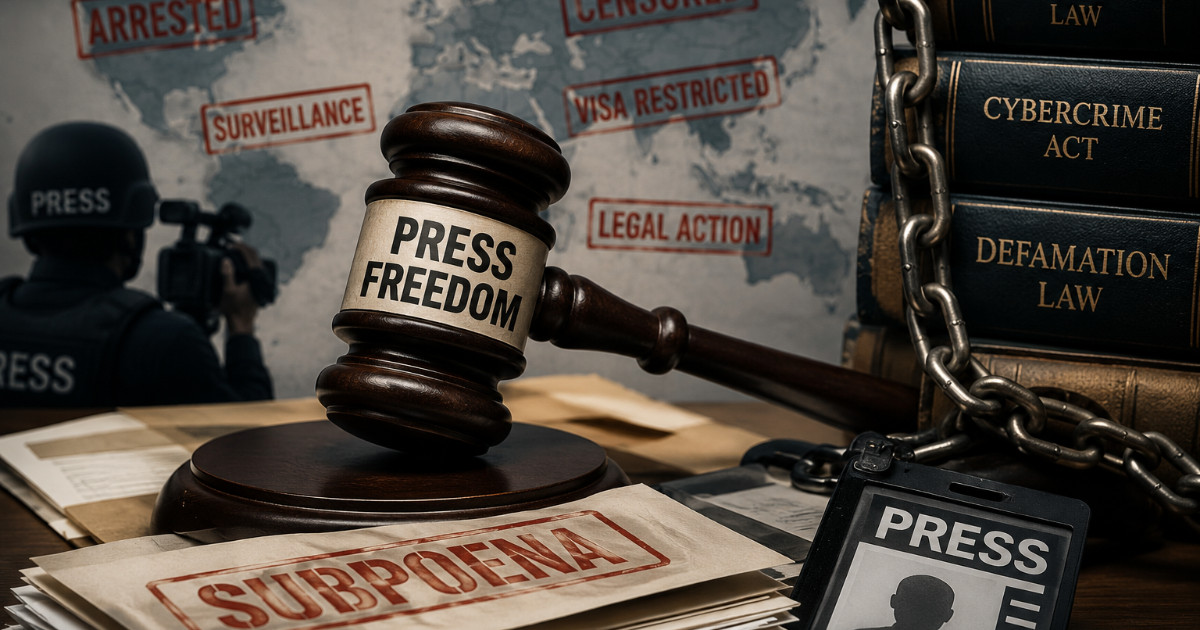
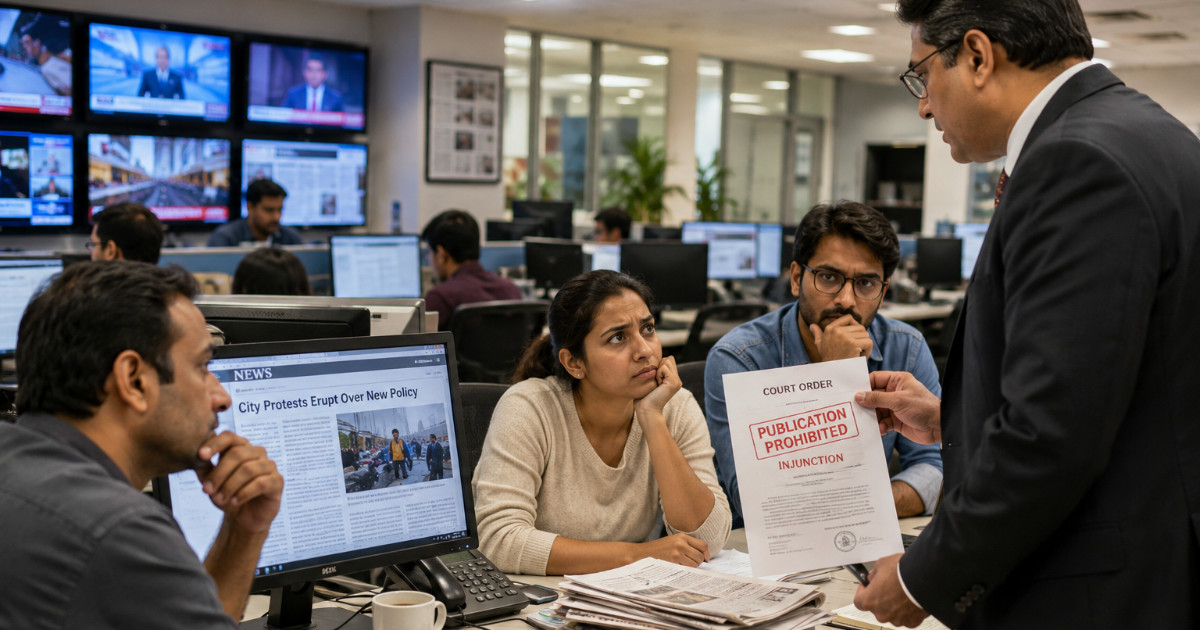
PHOTO: AI-generated for illustrative purposes.
Key Points
- Samoa's prime minister banned the Samoa Observer from attending government press briefings.
- The PM accused the paper of unfair and inaccurate reporting on his medical treatment abroad.
- The ban followed an alleged assault on the Observer's editor outside the PM's residence.
- JAWS, PINA, FMA, and IFJ condemned the move as a threat to media freedom.
- Media groups say Samoa's complaints process under the Media Council Act was bypassed.
Relevant Topics
Ask AI: Understand this story your way
AI EnabledDig deeper, ask anything — get instant context, background, and clarity.
Disclaimer: This feature is powered by AI and is intended to help readers explore and understand news stories more easily. While we strive for accuracy, AI-generated responses may occasionally be incomplete or reflect limitations in the underlying model. This feature does not represent the editorial views of JournalismPakistan. For our full, verified reporting, please refer to the original article.