What the 60 Minutes controversy means for TV journalism RFE/RL journalists persist with Iran war coverage amid risks Zee secures FIFA World Cup rights in India through 2030 How fact-checkers verify viral videos during breaking news Pentagon restrictions on reporters draw media backlash Israel-Lebanon talks proceed as conflict hinders reporting Why governments are tightening controls on foreign journalists China condemns US restrictions on Xinhua reporter Taiwan condemns China over New York Times reporter expulsion The biggest threats facing journalism in Asia today Press freedom review: The many faces of pressure on the press Five warning signs for global journalism in May 2026 Cybercrime, courtrooms, and newsroom cuts: What defined Pakistan media in May Gaza journalists win 2026 Golden Pen of Freedom award When AI writes the news, who checks the facts? What the 60 Minutes controversy means for TV journalism RFE/RL journalists persist with Iran war coverage amid risks Zee secures FIFA World Cup rights in India through 2030 How fact-checkers verify viral videos during breaking news Pentagon restrictions on reporters draw media backlash Israel-Lebanon talks proceed as conflict hinders reporting Why governments are tightening controls on foreign journalists China condemns US restrictions on Xinhua reporter Taiwan condemns China over New York Times reporter expulsion The biggest threats facing journalism in Asia today Press freedom review: The many faces of pressure on the press Five warning signs for global journalism in May 2026 Cybercrime, courtrooms, and newsroom cuts: What defined Pakistan media in May Gaza journalists win 2026 Golden Pen of Freedom award When AI writes the news, who checks the facts?
Logo
Janu
Press Freedom Tracker

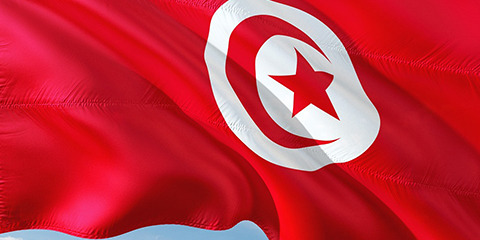
Tunisian journalists protest rising media restrictions

 JournalismPakistan.com |  Published: 21 November 2025 |  JP Global Monitoring Desk

Join our WhatsApp channel
Tunisian journalists protest rising media restrictions
On November 20, hundreds of Tunisian journalists protested against increasing media restrictions. The SNJT highlights bans on foreign correspondents and rising legal actions against critics.

TUNIS, Tunisia — Hundreds of Tunisian journalists gathered outside key government offices on November 20 to protest what they describe as an intensifying campaign to curb independent reporting, saying new restrictions have pushed the industry into its most precarious position in years, according to journalists’ groups. Demonstrators held up their press cards and chanted that journalism is not a crime as they demanded an end to policies they believe are deliberately designed to shrink the space for free expression.

Tightening Controls on Foreign and Local Media

The Tunisian Journalists’ Syndicate (SNJT) condemned the ongoing ban on work permits for foreign correspondents, a measure in place since September that has already forced several outlets to scale back coverage. Local reporters say delays in renewing 2025 press cards have left many unable to work or access official events. SNJT also criticized the increasing use of legal action against journalists who post government critiques online, noting that this trend risks pushing more reporters into self-censorship.

Fears of Deeper State Influence Over Newsrooms

Media observers warn that the restrictions reflect a wider shift toward state dominance of the information landscape under President Kaïs Saïed. They argue that administrative barriers, selective accreditation, and prosecutions collectively function as a deterrent to independent reporting. Rights advocates say the current trajectory threatens the public’s ability to access impartial news and weakens the capacity of the press to hold institutions accountable.

Key Points

  • Hundreds of Tunisian journalists protested rising media restrictions on November 20.
  • SNJT denounced the ban on work permits for foreign correspondents and press card renewals.
  • Journalists report increased legal actions for online criticisms of the government.
  • Observers warn of escalating state control over the country's media landscape.

Ask AI: Understand this story your way

AI Enabled

Dig deeper, ask anything — get instant context, background, and clarity.

Not sure what to choose? Try one of these.

The AI generates results based on your selected options
Your AI-generated results will appear here after you click the button.

Disclaimer: This feature is powered by AI and is intended to help readers explore and understand news stories more easily. While we strive for accuracy, AI-generated responses may occasionally be incomplete or reflect limitations in the underlying model. This feature does not represent the editorial views of JournalismPakistan. For our full, verified reporting, please refer to the original article.


Explore Further

Newsroom
What the 60 Minutes controversy means for TV journalism

What the 60 Minutes controversy means for TV journalism

 June 03, 2026 The 60 Minutes controversy at CBS exposes tensions over leadership, editorial independence and pressures on legacy TV journalism amid political polarization.


RFE/RL journalists persist with Iran war coverage amid risks

RFE/RL journalists persist with Iran war coverage amid risks

 June 03, 2026 RFE/RL journalists, including Persian-language reporters, continue covering the Iran-Israel-US conflict despite heightened security risks, restricted access, and significant operational challenges.


Zee secures FIFA World Cup rights in India through 2030

Zee secures FIFA World Cup rights in India through 2030

 June 03, 2026 Zee Entertainment has secured broadcasting and digital rights in India for the 2026 and 2030 FIFA World Cups, reshaping the country's sports media landscape.


How fact-checkers verify viral videos during breaking news

How fact-checkers verify viral videos during breaking news

 June 02, 2026 Fact-checkers use source tracking, metadata, visual analysis and geolocation to verify whether viral videos in breaking news are authentic and timely.


Israel-Lebanon talks proceed as conflict hinders reporting

Israel-Lebanon talks proceed as conflict hinders reporting

 June 02, 2026 Israeli and Lebanese officials began talks in Washington as cross-border fighting and airstrikes along the border hinder journalists' reporting.


Popular Stories