
UK journalist Sami Hamdi released from US immigration detention after visa revocation
JournalismPakistan.com | Published: 11 November 2025 | JP Middle East Desk
Join our WhatsApp channel
Sami Hamdi, a UK journalist, was detained at San Francisco International Airport for two weeks after his visa was revoked. His release has sparked widespread concern regarding press freedom and the potential for such actions to suppress critical journalism.Summary
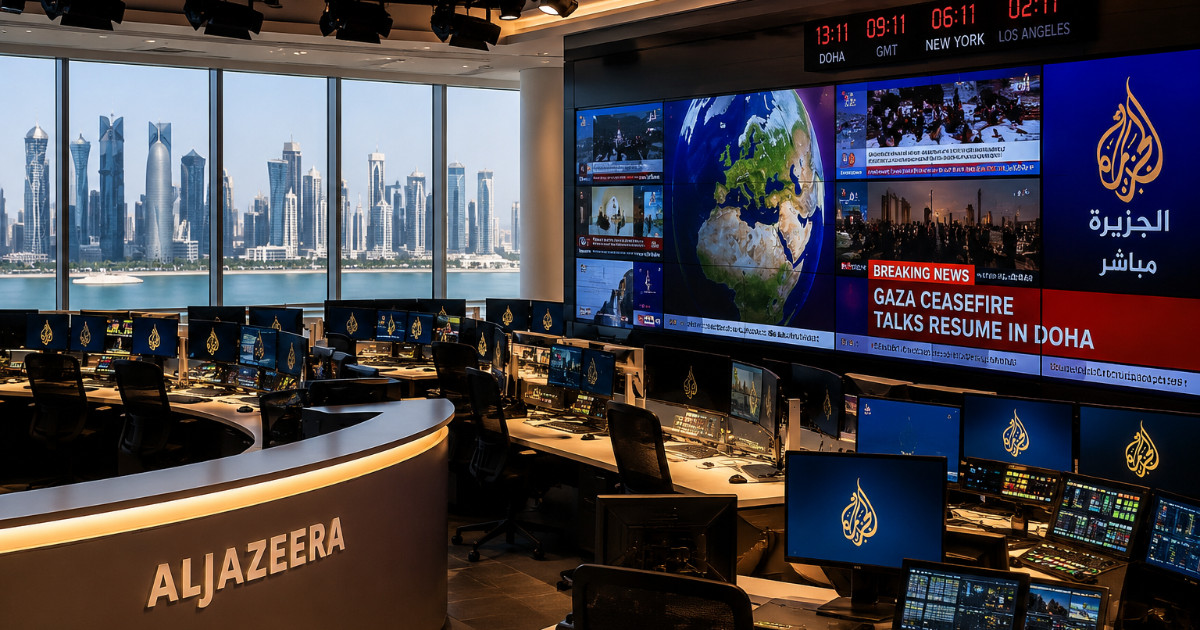
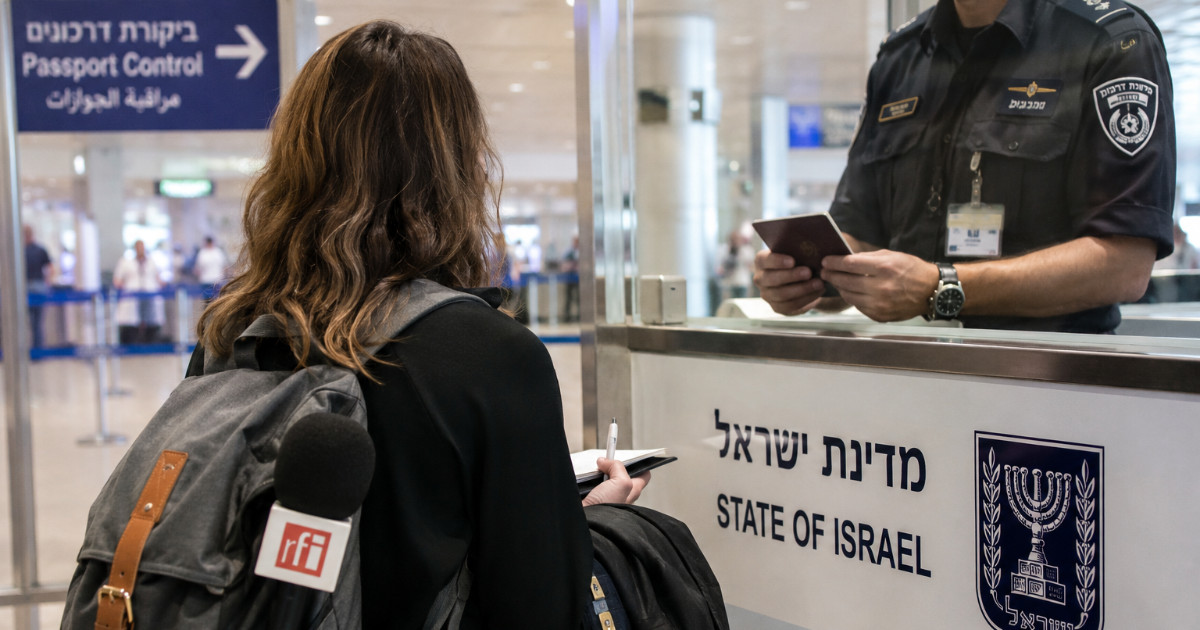
LONDON — British journalist and pro-Palestinian commentator Sami Hamdi has been released from U.S. immigration detention after being held for more than two weeks at San Francisco International Airport, aljazeera.com reported.
Hamdi, 35, was stopped on October 26 while on a speaking tour addressing Israel’s war in Gaza and detained after U.S. Immigration and Customs Enforcement (ICE) unexpectedly revoked his visa. Lawyers representing Hamdi say the only reason for his detention was his public criticism of Israel, not any criminal or security violations.
Hamdi’s detention has drawn widespread concern among press freedom advocates, human rights groups, and academic organizations. Experts warn that visa revocations can become a tool to suppress journalists who report critically on international conflicts, particularly those covering politically sensitive topics such as the Israel-Palestine crisis. The case also highlights the challenges faced by journalists operating across borders, where local and international laws intersect in ways that can put reporters at risk.
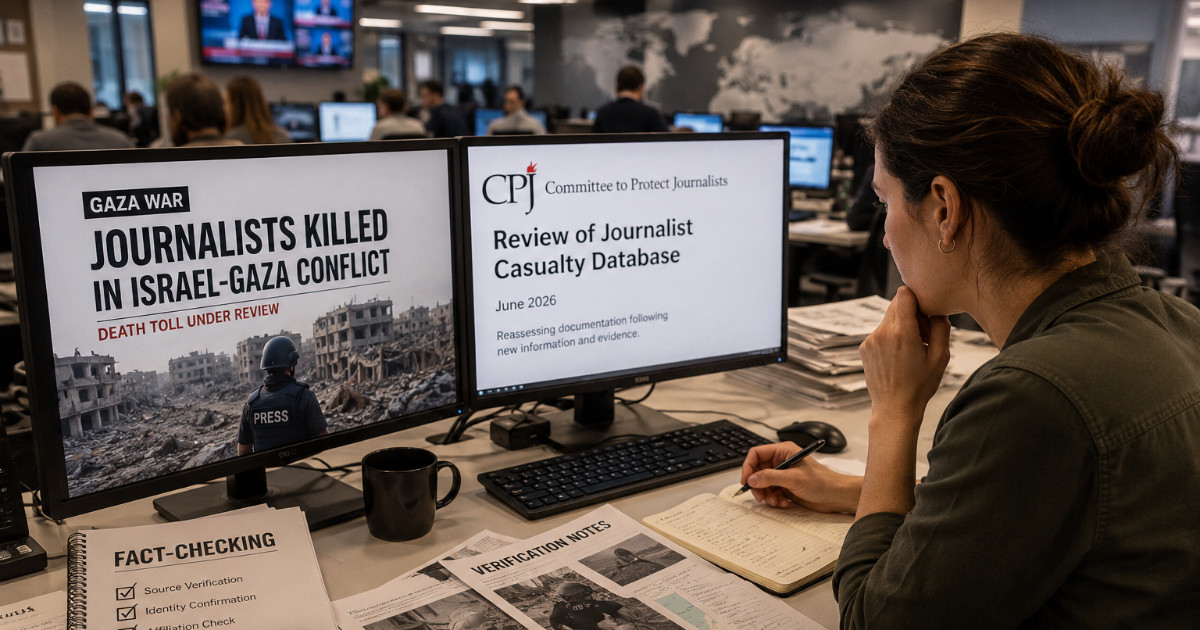
During his detention, Hamdi was reportedly held in standard immigration facilities and faced limited access to legal counsel. His release comes amid growing calls for U.S. authorities to review procedures that restrict journalists’ freedom of movement and expression, especially when the content of their work draws attention from governments or influential interest groups. Academic institutions, including SOAS University of London, and media freedom organizations like the Committee to Protect Journalists, have publicly expressed support for Hamdi and urged stronger protections for journalists reporting from conflict zones.
The incident underscores broader global concerns about press freedom and the protection of journalists, particularly those who cover contentious international conflicts. Advocates warn that such detentions could have a chilling effect on reporting, leading to self-censorship and reduced coverage of critical events affecting human rights and international law.
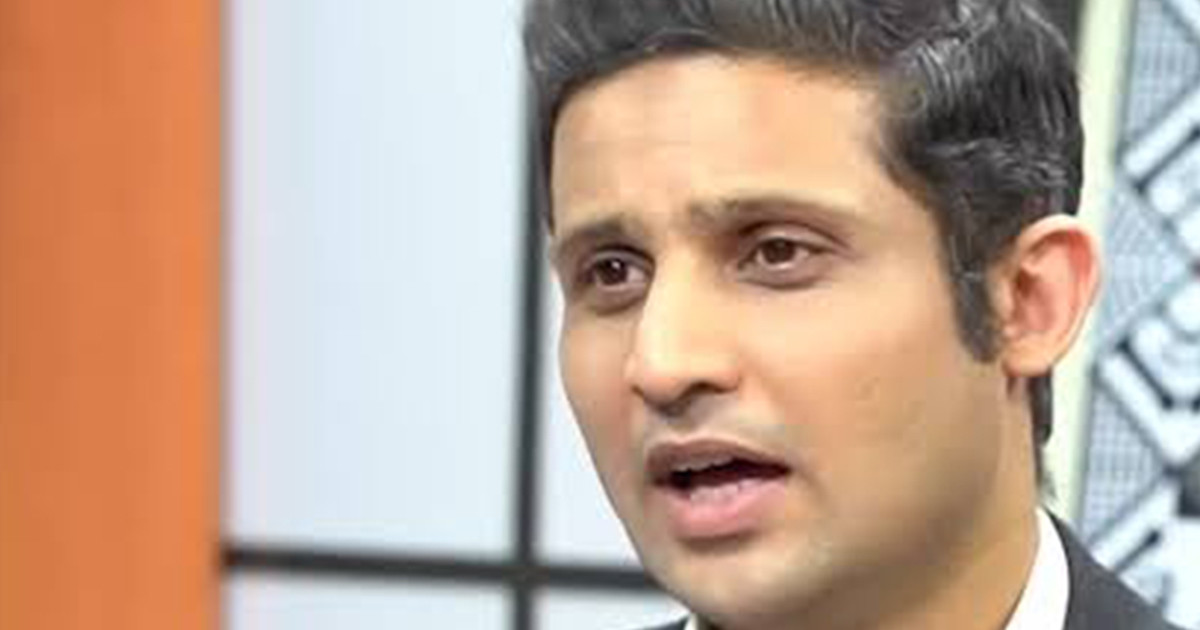
Photo: Sami Hamdi (X @SALHACHIMI)
Key Points
- Sami Hamdi was detained for over two weeks at San Francisco International Airport.
- His visa was revoked under controversial circumstances related to his reporting.
- Advocates express concern that such actions threaten press freedom.
- Hamdi's case highlights challenges faced by journalists in conflict zones.
- Support is growing from academic and media organizations for stronger protections.
Relevant Topics
Ask AI: Understand this story your way
AI EnabledDig deeper, ask anything — get instant context, background, and clarity.
Disclaimer: This feature is powered by AI and is intended to help readers explore and understand news stories more easily. While we strive for accuracy, AI-generated responses may occasionally be incomplete or reflect limitations in the underlying model. This feature does not represent the editorial views of JournalismPakistan. For our full, verified reporting, please refer to the original article.