
Too many medals, too little merit? Critics say journalist civil awards reward loyalty
JournalismPakistan.com | Published: 15 August 2025 | JP Staff Report
Join our WhatsApp channel
Pakistan's civil awards are under scrutiny for perceived favoritism towards journalists aligned with the government. Critics are concerned about the politicization and transparency of the selection process.Summary
ISLAMABAD—Pakistan’s prestigious civil awards have symbolized national recognition for excellence across various fields from journalism and public service to the arts and sciences. But increasingly, these honors are raising eyebrows for all the wrong reasons.
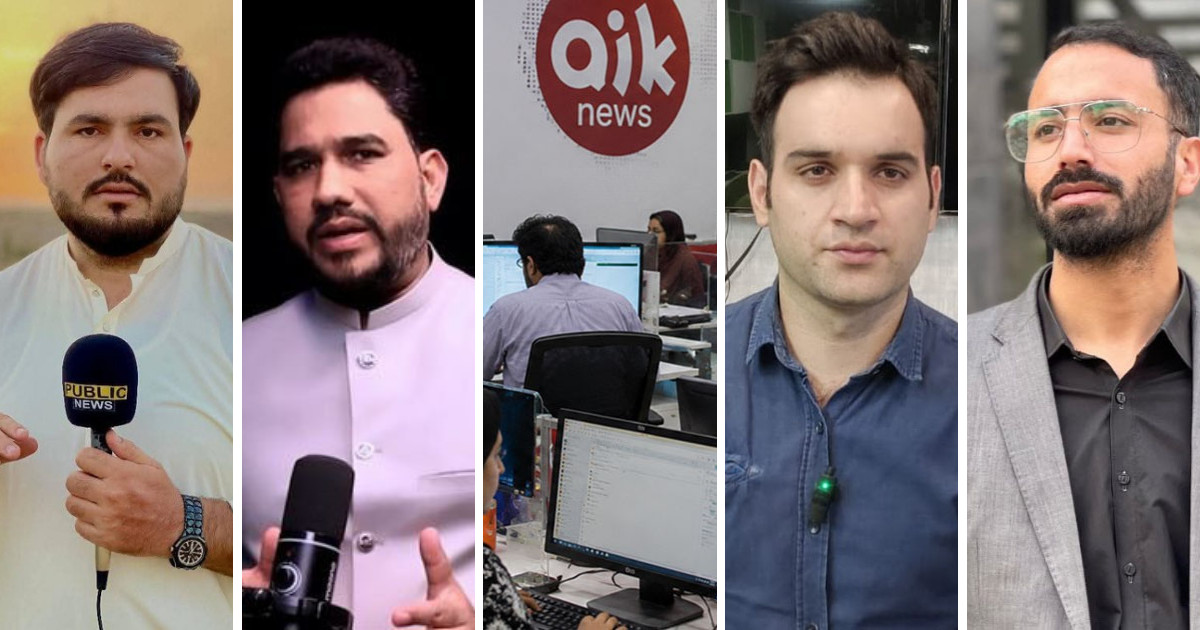
On August 14, at a high-profile ceremony in Islamabad, President Asif Ali Zardari conferred civil and military awards on a long list of recipients for their services during Marka-e-Haq and beyond. Among those honored were several high-profile journalists, including Hamid Mir, Mujeeb-ur-Rehman Shami, Javed Chaudhry, Mansoor Ali Khan, Salim Safi, Wasim Badami, Aniqa Nisar, Amir Ilyas Rana, Muneeb Farooq, and Nadeem Malik, all receiving the Tamgha-i-Imtiaz. Curiously, even the Minister for Information and Broadcasting, Attaullah Tarar, received the Nishan-i-Imtiaz, Pakistan’s highest civilian honor.
While some awardees are undeniably accomplished and deserving, critics argue that the growing trend of doling out awards by the dozens, often to individuals who frequently appear on TV defending government narratives, risks diminishing the very value and credibility of these national honors.
Analysts and senior journalists have pointed out that the civil awards system seems to have become increasingly politicized. Those who maintain a favorable tone toward the ruling establishment, whether in print, on television, or on digital platforms, appear to have a higher chance of recognition. This pattern has sparked serious concerns about meritocracy and the authenticity of national commendation.
The issue isn't about whether certain journalists should be recognized-many have years of impactful work behind them, but rather the lack of transparency and consistency in the selection process. Are these awards a celebration of genuine national service, or are they fast becoming tools of political patronage?
Public trust in institutions, including those that bestow national honors, is fragile. If the trend of perceived favoritism continues, the civil awards may no longer represent excellence but instead reflect affiliations.
Civil awards are meant to inspire; handing them out indiscriminately can do just the opposite.
Illustration: Representational
Key Points
- Civil awards have historically symbolized excellence in Pakistan.
- Recent awards given to journalists raise questions about merit and loyalty.
- Critics argue these awards reflect political patronage rather than genuine achievement.
- Public trust in national honors is being threatened by favoritism.
- The trend risks undermining the credibility of these prestigious awards.
Relevant Topics
Ask AI: Understand this story your way
AI EnabledDig deeper, ask anything — get instant context, background, and clarity.
Disclaimer: This feature is powered by AI and is intended to help readers explore and understand news stories more easily. While we strive for accuracy, AI-generated responses may occasionally be incomplete or reflect limitations in the underlying model. This feature does not represent the editorial views of JournalismPakistan. For our full, verified reporting, please refer to the original article.