
On the brink: Crackdowns, censorship, and tragedies rock Pakistan’s media
JournalismPakistan.com | Published: 22 August 2025 | JP Staff Report
Join our WhatsApp channel
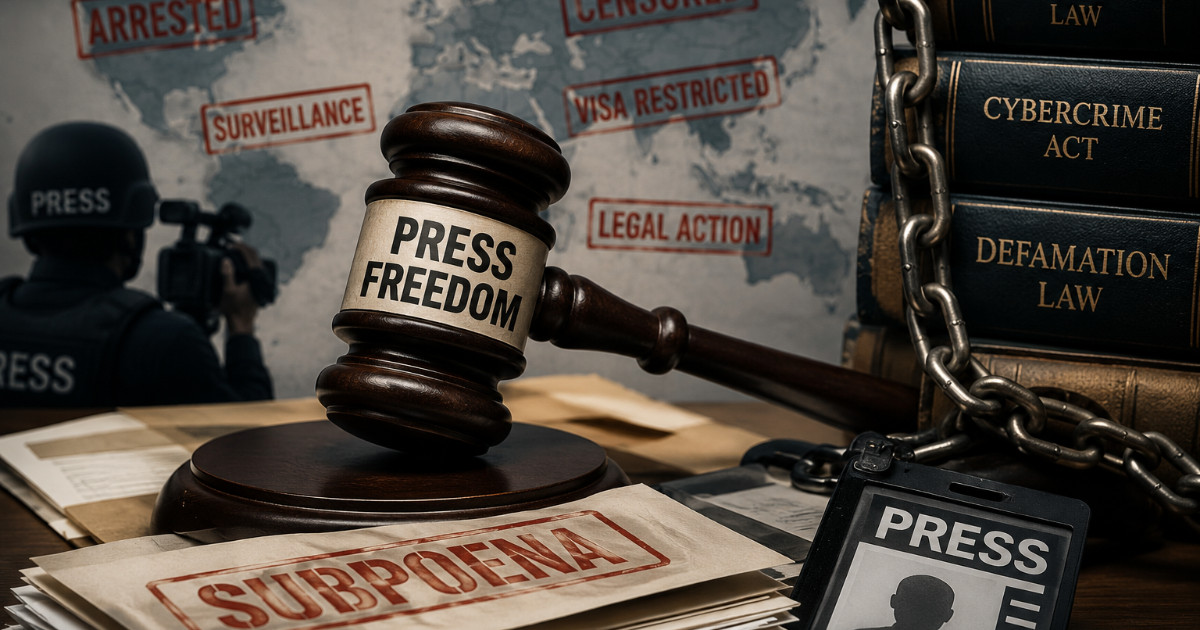
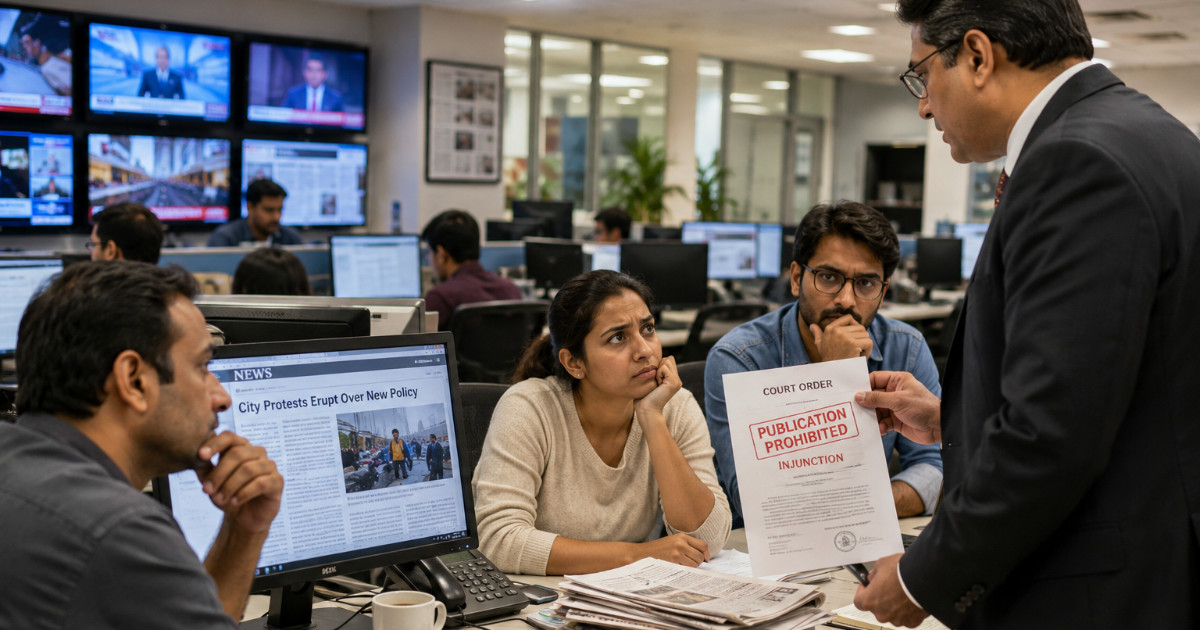
Pakistan's media is currently under severe threat from government crackdowns, censorship laws, and tragic incidents involving journalists. The situation has raised alarms about the future of press freedom in the country.Summary
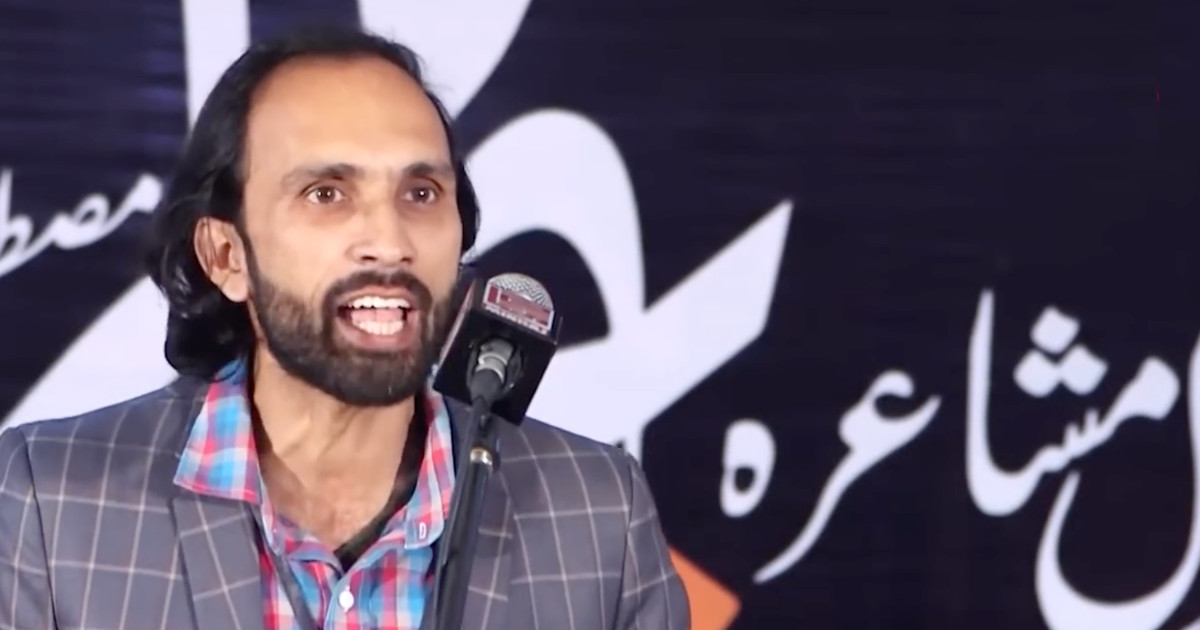
ISLAMABAD—Pakistan’s media is facing a serious crisis, with multiple developments raising alarms about press freedom, censorship, and state pressure. Senior journalist Sohail Warraich’s recent column, which reported sensitive remarks allegedly made by Army Chief Gen. Asim Munir in Brussels, was swiftly rejected by the ISPR as fabricated, sparking controversy over journalistic responsibility and accountability.
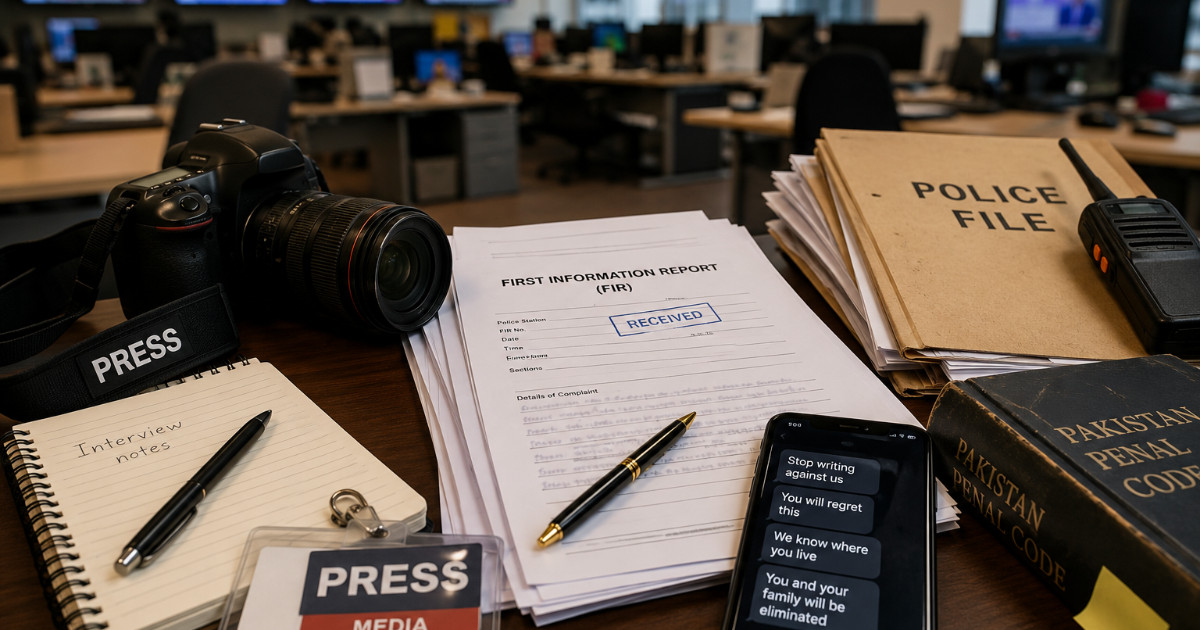
Adding to tensions, four women journalists have been booked under the Prevention of Electronic Crimes Act (PECA). Press bodies argue that the law is increasingly used to silence critics, particularly women, who already face significant harassment in the media industry.
Meanwhile, the National Assembly has received the Prevention of Obscenity and Indecency in Digital Media Bill, 2025, which seeks to curb online indecency through a newly created Digital Content Evaluation Board. Critics warn the bill’s vague language could lead to sweeping censorship and undermine independent reporting.
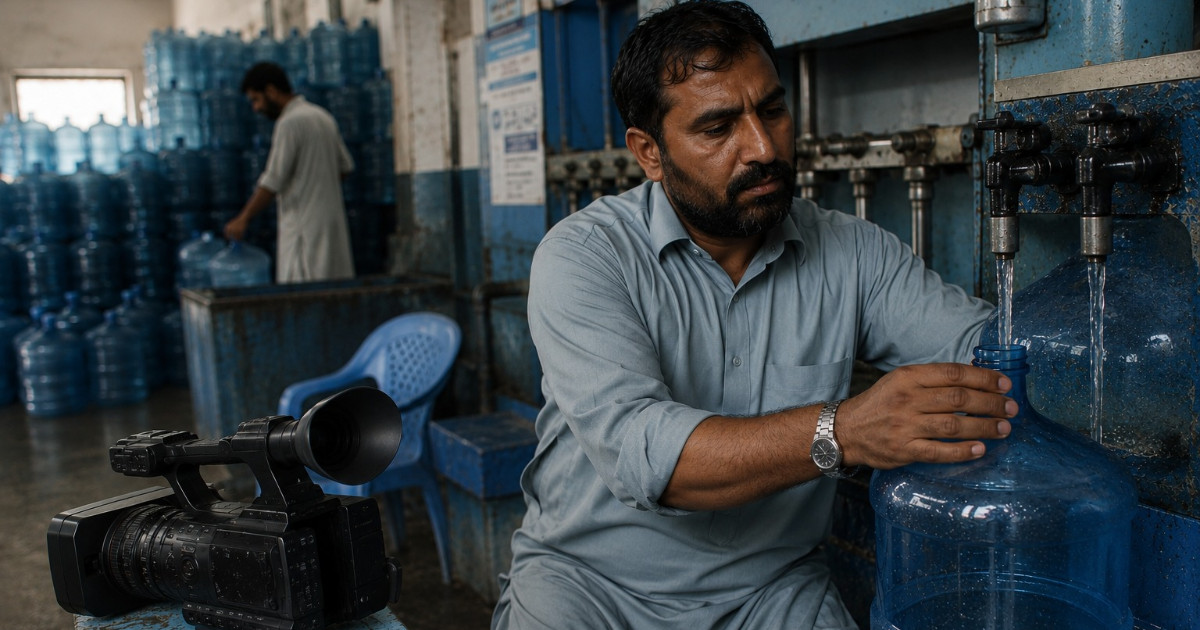
The crisis deepened with the tragic death of DawnNews journalist Khawar Husain, who was found dead in his car in Sanghar with a gunshot wound. Police are investigating the circumstances, and colleagues mourn the loss of a respected journalist known for his regional reporting.
Scrutiny has also fallen on Pakistan’s civil awards, after dozens of journalists and political allies were recently honored. Critics question whether these awards are given for genuine merit or political loyalty, raising concerns about favoritism and credibility.
The Pakistan Federal Union of Journalists (PFUJ) condemned a Federal Investigation Agency (FIA) notice issued to Dawn journalist Akbar Notezai, describing it as an attack on press freedom and a misuse of cybercrime laws. This comes amid wider fears that legal frameworks are increasingly being leveraged against independent media voices.
In a related development, journalist Asad Toor was prevented from traveling to the United States for a State Department program after being placed on Pakistan’s Provisional National Identification List (PNIL). The move highlights growing restrictions on journalists’ mobility and international engagement, adding to concerns about a shrinking space for free expression in Pakistan.
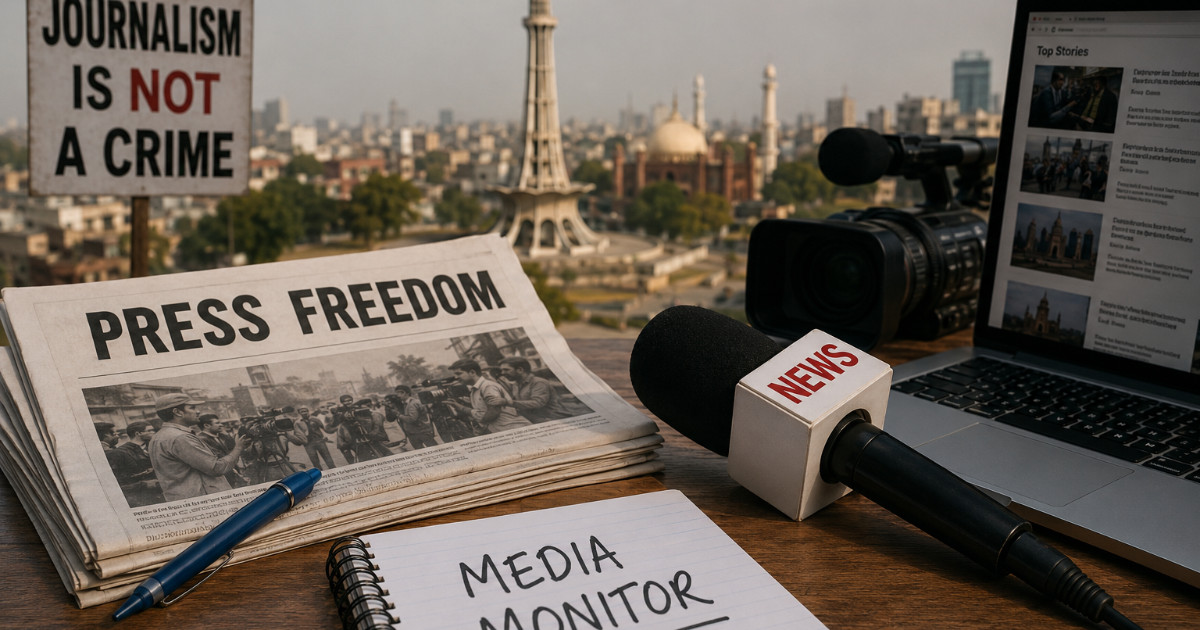
Taken together, these incidents depict a troubling trend for press freedom in the country. From state pushback against reporting and legal cases against journalists to the threat of censorship through new legislation, the space for independent journalism appears to be narrowing. Media observers warn that unless protective reforms are implemented, Pakistan risks further eroding trust between the press and the state, while also attracting global criticism for its treatment of journalists.
The sequence of controversies, legal actions, and tragic events paints a stark picture of the challenges Pakistani journalists face daily. As the media navigates these pressures, the stakes for freedom of expression and democratic accountability remain higher than ever.
Key Points
- Senior journalist Sohail Warraich's column was rejected as fabricated by ISPR.
- Four women journalists were booked under the Prevention of Electronic Crimes Act.
- The National Assembly discussed a bill that could lead to increased censorship online.
- Journalist Khawar Husain was found dead under suspicious circumstances.
- The Pakistan Federal Union of Journalists condemned recent government actions against media workers.
Relevant Topics
Ask AI: Understand this story your way
AI EnabledDig deeper, ask anything — get instant context, background, and clarity.
Disclaimer: This feature is powered by AI and is intended to help readers explore and understand news stories more easily. While we strive for accuracy, AI-generated responses may occasionally be incomplete or reflect limitations in the underlying model. This feature does not represent the editorial views of JournalismPakistan. For our full, verified reporting, please refer to the original article.