
Defying threats: Munizae Jahangir's story reveals what it costs to be a woman journalist in Pakistan
JournalismPakistan.com | Published: 6 February 2025 | JP Special Report
Join our WhatsApp channel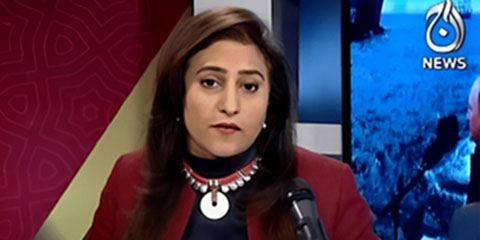
Female journalists in Pakistan, including Munizae Jahangir, face increasing threats and harassment. Urgent measures are needed for their protection.Summary
ISLAMABAD—Women in journalism in Pakistan continue to work under immense pressure, facing threats, harassment, and intimidation. Recent cases, including that of Munizae Jahangir, Asma Shirazi, and Shiffa Z. Yousafzai, illustrate the growing dangers female journalists encounter in an increasingly hostile environment. The rise of digital threats, social media attacks, and direct intimidation has made press freedom a critical issue in Pakistan.
Munizae Jahangir: The latest target
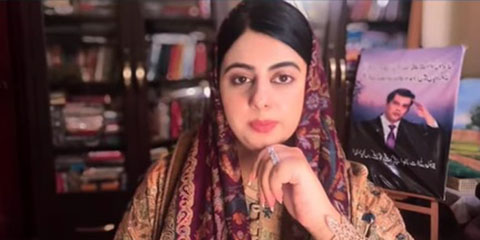
Munizae Jahangir, a respected anchor on Aaj TV and co-chairperson of the Human Rights Commission of Pakistan (HRCP), has been subjected to severe threats from individuals with far-right affiliations. These threats followed her efforts to highlight the entrapment of young individuals by religious extremists. The HRCP issued a statement condemning these threats, calling for immediate government action. The Forum for Digital Rights and Democracy (FDRD) also raised concerns, emphasizing that such intimidation tactics aim to silence independent voices that hold power accountable.
The Plight of Female Journalists: A Pattern of Harassment
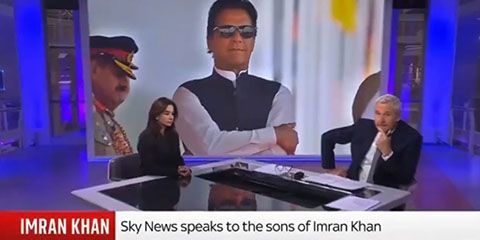
Munizae Jahangir’s case is not an isolated incident. Just last month, senior journalist Asma Shirazi faced yet another coordinated online harassment campaign, drawing widespread criticism from press freedom organizations. The attacks on Asma Shirazi highlight the systemic targeting of women journalists who challenge dominant narratives and speak truth to power.
In September last year, anchor Shiffa Z. Yousafzai had to publicly refute a false social media campaign that claimed she had married someone. This baseless attack was an example of the digital smear campaigns often used to discredit female journalists and undermine their credibility.
The Growing Threat of Online and Offline Harassment
The threats faced by female journalists in Pakistan are not limited to the digital realm. Many experience direct threats to their safety. The Women Journalists Association of Pakistan (WJAP) strongly condemned the threats against Munizae Jahangir, calling out authorities for their inaction. According to Fauzia Kalsoom Rana, founder of WJAP, extremist elements operate with impunity, openly targeting women journalists without fear of legal consequences.
Press Freedom Under Siege
The increasing threats against women journalists are symptomatic of a larger issue: the deterioration of press freedom in Pakistan. The targeting of journalists, particularly those covering human rights and religious extremism, has created an environment where self-censorship is becoming the norm. The lack of accountability and legal protection for journalists only emboldens those seeking to silence independent voices.
Urgent Actions Needed
To ensure the safety and freedom of female journalists in Pakistan, authorities must investigate and prosecute those who issue threats against journalists. Stronger mechanisms must be implemented to curb online harassment and ensure accountability for digital attacks. The state must provide security to female journalists facing credible threats. Media organizations and civil society groups must actively support and protect female journalists from harassment and intimidation. Raising awareness about the challenges women journalists face will help foster societal support for press freedom.
The threats faced by Munizae Jahangir, Asma Shirazi, and Shiffa Z. Yousafzai illustrate the alarming trend of harassment and intimidation directed at female journalists in Pakistan. Without immediate action, the ability of women to report freely and fearlessly will be further compromised. Press freedom is not just about protecting journalists—it is about safeguarding democracy and the public’s right to information.
KEY POINTS:
- Munizae Jahangir subjected to severe threats from far-right individuals.
- Harassment of female journalists is on the rise in Pakistan.
- Asma Shirazi and Shiffa Z. Yousafzai also faced online intimidation.
- The HRCP and WJAP call for government intervention.
- Press freedom is deteriorating due to lack of accountability.