
Paid Praise: How government endorsements by influencers violated ethical standards
JournalismPakistan.com | Published: 11 July 2024 | JP Analyst
Join our WhatsApp channel
The Punjab government has been criticized for paying influencers to endorse its achievements. This practice raises ethical questions about transparency and trust in government communications.Summary
ISLAMABAD—Recently, a controversy erupted in Pakistan when it was revealed that the Government of Punjab had paid actors and social media influencers to praise their achievements in the first 100 days in office. This revelation has sparked a debate on the ethical implications of such practices, particularly in the political realm. At least one actor, Saba Faisal, admitted that her video praising the government's performance was a paid endorsement. This incident raises important questions about the integrity of government communications and the ethical responsibilities of influencers.
Paid Endorsements
The practice of using paid endorsements to boost a government's image is not new in Pakistan. In the past, similar controversies have surfaced.
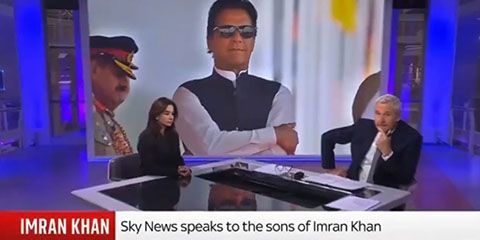
The PTI Government's Social Media Campaigns: During Imran Khan's tenure, there were reports of social media influencers being paid to promote government initiatives and counter negative publicity. This included orchestrated campaigns to shape public opinion and create a favorable image of the government.
PML-N's Media Strategies: The previous government also faced allegations of using state resources to fund favorable media coverage. Journalists and media houses were reportedly offered incentives to provide positive coverage of government projects and achievements.
Sindh Government's Influencer Partnerships: The Sindh government has similarly been accused of collaborating with influencers to promote its development projects. These partnerships often blur the line between genuine public service announcements and paid promotions.
Ethical Violations and Their Consequences
Engaging influencers and actors in paid promotions to falsely enhance the government's image is an ethical violation that undermines the principles of transparency and honesty. When public figures are paid to promote government achievements without disclosing their endorsements, it creates a misleading narrative and deceives the public.
Erosion of Trust: Trust is the cornerstone of any government's relationship with its citizens. When people discover that endorsements are paid and not genuine, it erodes their trust in the government's communications and its overall integrity.
Misallocation of Resources: Using public funds to pay influencers and actors for endorsements diverts resources from essential public services. This misuse of funds can lead to public outrage and diminish the government's credibility.
Undermining Genuine Achievements: If a government has genuinely performed well, it should not need to resort to paid endorsements to highlight its accomplishments. Such practices cast doubt on the authenticity of the achievements and undermine the hard work of public servants.
Emphasizing Transparency and Ethics
For governments to maintain credibility and foster trust, it is crucial to prioritize transparency and ethical practices in their communications. Here are some recommendations:
Genuine Engagement: Governments should engage with citizens genuinely, using real feedback and testimonials to highlight their achievements. Authentic stories from beneficiaries of government initiatives carry more weight than paid endorsements.
Clear Disclosures: If influencers or public figures are involved in promoting government projects, there should be clear disclosures about any compensation received. Transparency in these partnerships can help maintain trust.
Focus on Results: Governments should focus on delivering tangible results and allowing their achievements to speak for themselves. Positive word-of-mouth and organic public support are more powerful than orchestrated campaigns.
Ethical Guidelines: Establishing and adhering to ethical guidelines for government communications can prevent misuse of resources and ensure that all promotional activities are conducted with integrity.
The recent controversy involving paid endorsements for the Government of Punjab highlights the need for ethical considerations in political communications. By prioritizing transparency and genuine engagement, governments can build and maintain the trust of their citizens, ensuring that their achievements are recognized and valued without resorting to deceptive practices.
Photo: Representational
KEY POINTS:
- Punjab government paid influencers for positive endorsements.
- The practice raises ethical concerns regarding transparency.
- Such endorsements undermine public trust in government communications.
- Previous governments have faced similar allegations of using paid promotions.
- Emphasizing genuine engagement and transparency is essential for credibility.