
IFJ calls for amendments to code of conduct for electronic media
JournalismPakistan.com | Published: 27 August 2015
Join our WhatsApp channel
The IFJ and PFUJ raise concerns over the restrictive Code of Conduct for Electronic Media. They demand broader consultations to ensure media rights and freedom of speech.Summary
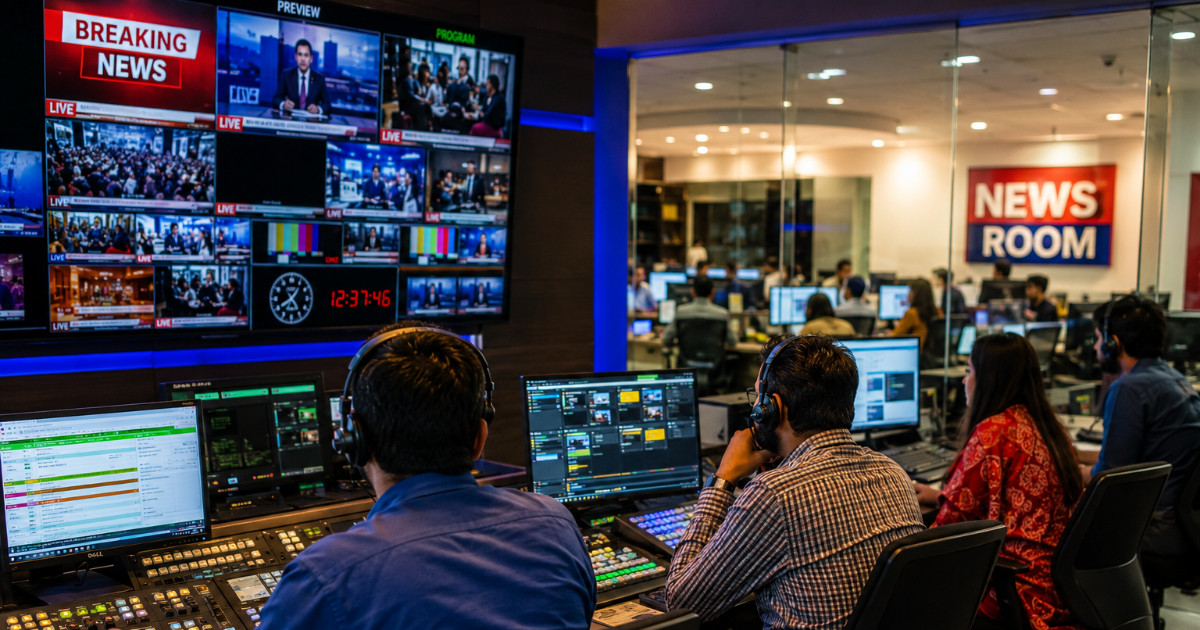
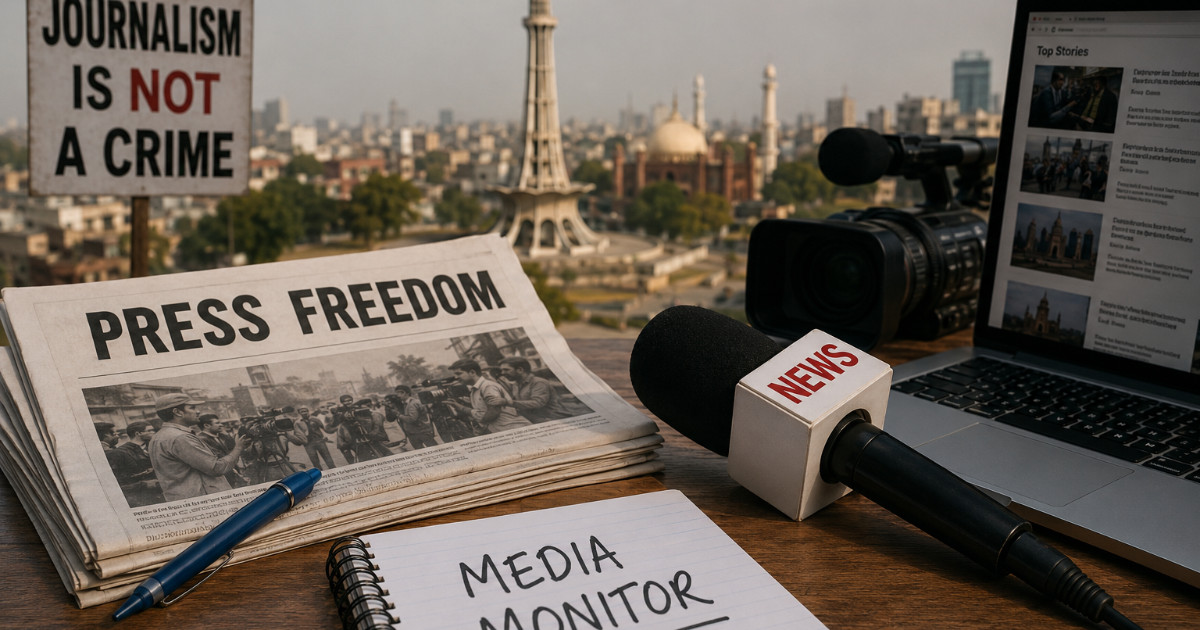
The International Federation of Journalists (IFJ) and its affiliate the Pakistan Federal Union of Journalists (PFUJ) have expressed serious concerns over restrictive provisions of the newly introduced Code of Conduct for Electronic Media. In a media release, the IFJ said that the development of such guidelines should include wide consultation with the media community and guarantee freedom of speech.
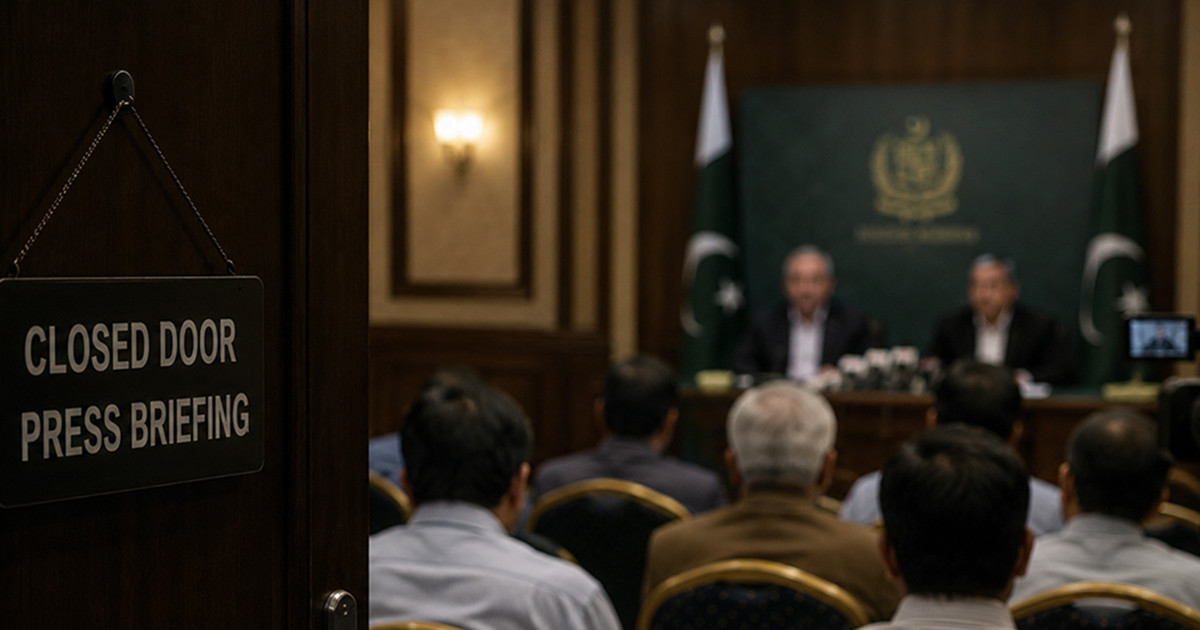
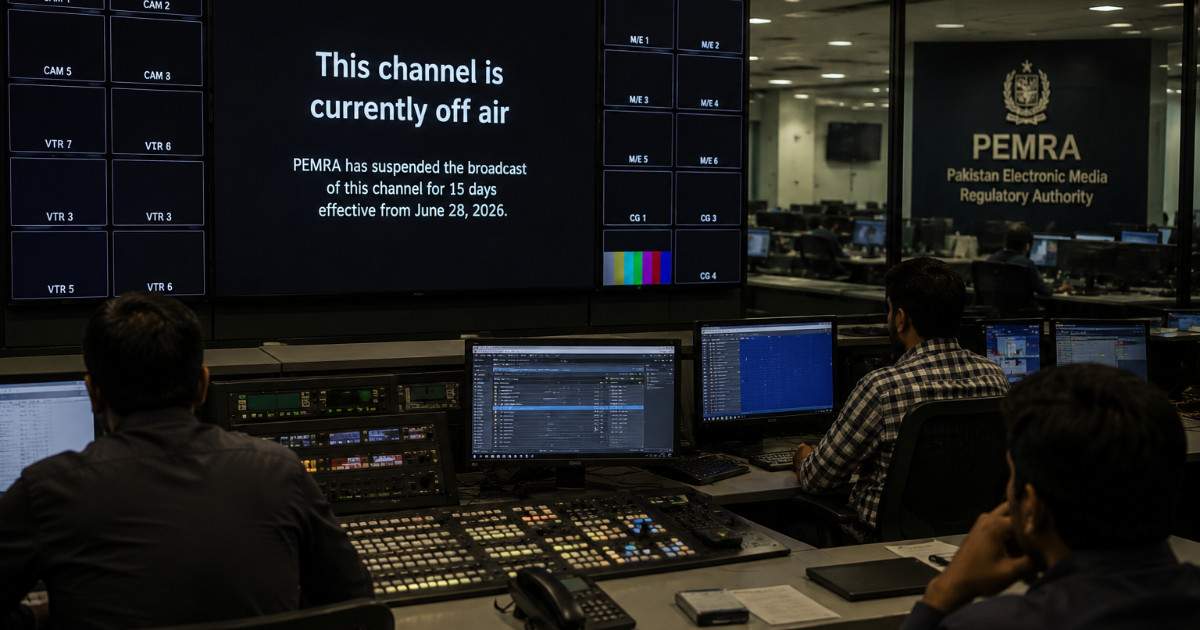
On August 20, the Ministry of Information, Broadcasting and National Heritage issued the revised Code of Conduct for the Electronic Media through the Pakistan Electronic Media Regulatory Authority (PEMRA) following the Supreme Court’s order to issue the Code of Conduct for media to combat hate speech.
However, the PFUJ noted that the newly introduced code of conduct is anti-democratic in nature as it restricts journalists’ basic rights. The PFUJ, which was not consulted in the development process, said the code is against freedom of speech, which is guaranteed under Article 19 of the Constitution of Pakistan.
The Express Tribune, in its editorial, criticized the 24-point code for radio and television stations saying it "is so exhaustive as to seemingly leave the professional editors little or no room to use their judgment in selection, presentation, interpretation and display of news and current affairs." The PFUJ said: "Any law or code of conduct which can be used to gag media is an attack on freedom of expression.
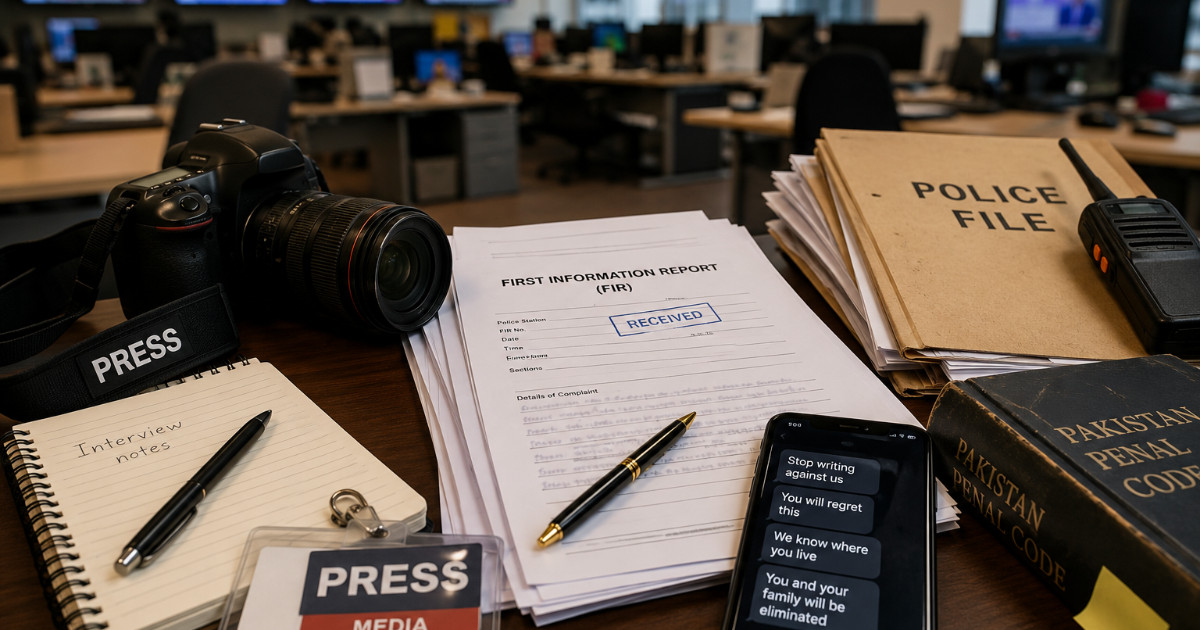
If the government tried to enforce new code of conduct by force, the PFUJ would hold strong countrywide protests to protect freedom of expression, and freedom of speech as guaranteed under the Article 19 of the Constitution." The PFUJ urged the media houses to abide by the moral and social ethics and local traditions, and exercise restraint in their transmissions to avoid telecasting programs, which may create commotion, and result in unrest.
The IFJ, noting that PEMRA had earlier used the code of conduct to impose suspensions and hefty fines on media outlets, said that the development of a code for media should have wider consultation with the media, journalists and their representative body, the PFUJ.
The IFJ said: "The IFJ is seriously concerned by the restrictive nature and vagueness of some of the clauses of the newly revised code of conduct that could be used to restrict freedom of the press arbitrarily and subjectively.
We urge the Pakistan government to immediately hold consultations with the media industry to amend the code of conduct to ensure it is unanimously approved and followed." - IFJ media release
Key Points
- IFJ and PFUJ express serious concerns over the new Code of Conduct.
- The code is viewed as anti-democratic and a restriction on freedom of speech.
- PFUJ was not consulted during the development of the code.
- The IFJ emphasizes the need for wider industry consultation.
- PFUJ warns of protests if the code is enforced to curtail media freedoms.
Ask AI: Understand this story your way
AI EnabledDig deeper, ask anything — get instant context, background, and clarity.
Disclaimer: This feature is powered by AI and is intended to help readers explore and understand news stories more easily. While we strive for accuracy, AI-generated responses may occasionally be incomplete or reflect limitations in the underlying model. This feature does not represent the editorial views of JournalismPakistan. For our full, verified reporting, please refer to the original article.