
Gul Hameed Bhatti (1947-2010)
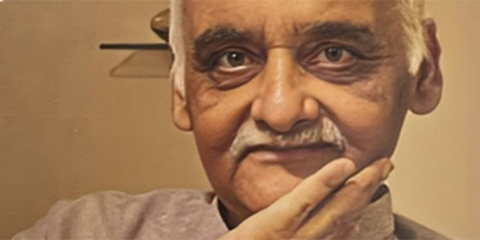
Gul Hameed Bhatti was a top ranked cricket journalist and statistician. He also loved flying and was a commercial pilot with the Pakistan International Airlines between 1968 and 1971.
One can imagine his passion for cricket that he left a thriving career to whet his most jaded appetite.
White-haired, eloquently spoken and with a surgical scar down in the upper neck, Bhatti was the Group Sports Editor of The News in Karachi when he died after a prolonged illness on February 5, 2010.
Eccentric, vibrant with a tinge of arrogance, upright and judicious and at best charming, Bhatti was a keen student of the history of first class cricket in Pakistan.
A thoroughbred journalist, conscientious and principled, it was astonishing that he survived in a volatile, power-sharing and materialistic environment.
Born in 1948, Bhatti developed a passion for cricket when watching the inter-collegiate rivalry between Government College and Islamia College at University Ground during the late 1950s.
He started to compile scorecards for the Board of Control for Cricket in Pakistan (BCCP; now PCB) voluntarily. Bhatti had his first fling with international cricket as a statistician when he worked tirelessly during the Pakistan-Australia Test in 1959-60 at Lahore’s Gaddafi Stadium. This was just the start.
Taking journalism as a full time profession, Bhatti was instrumental in setting up The Cricketer Pakistan. Subsequently, he formed the Pakistan Association of Statisticians and Historians and became its first president in 1983.
Based in Lahore and enjoying the extravagant environment, in 1974 Bhatti shifted to Karachi, leaving behind his writing exploits particularly the Lahore cricket scene.
Not read to give in despite paucity of data and facilities, he managed to publish 11 issues of Cricket Facts and Figures Quarterly between April 1986 and January 1989.
A ddeply sensitive man, Bhatti married Razia Bhatti, who nurtured two of Pakistan’s leading publications – Herald and Newsline.
After-marriage romance was Bhatti’s trademark. He loved Razia. Regrettably, she died in 1996 leaving him in tears.
Bhatti was unable to come out of her aura and lost the zing to live and suffered with ill health. After a battle with throat cancer, he suffered a brain stroke. He died on February 5, 2010 after a second stroke.
Source: The Fluctuating Fortunes; Wikipedia
Agha Nasir (1937-2016)
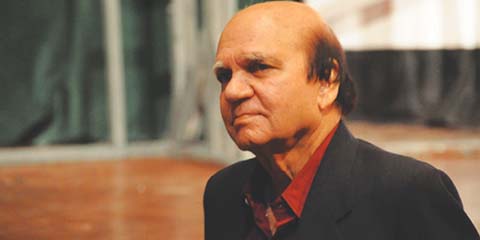
Born on February 9, 1937 in Meerut, India, Agha Nasir was an outstanding director, producer, broadcaster and a TV playwright. After graduating from the University of Karachi, he started his career with a stint with Radio Pakistan in 1955.
Mazhar Ali Khan (1918-1993)
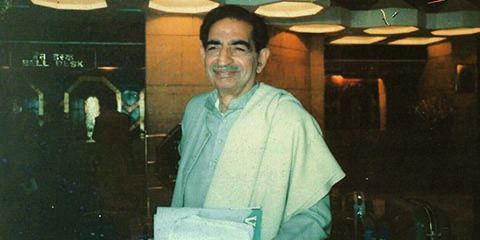
Mazhar Ali Khan served as the Editor-in-Chief of the newspapers Pakistan Times from 1951 to 1959, Dawn in 1972, and the journal Viewpoint. He graduated from the Punjab University in Lahore in 1939

Asaf Jilani
Asaf Jilani was born in Aligarh in 1934. He got his primary education at Jamia Millia Islamia in Delhi where Dr. Zakir Hussain was Shaikh ul Jamia. Dr. Hussain later became the third President of

Muhammad Ziauddin (1938-2021)
Muhammad Ziauddin, renowned as a capable and fiercely independent journalist, left a lasting legacy spanning over five decades. Known respectfully as Ziauddin Sahab, he was regarded as one of the last legendary journalists in Pakistan.
Aslam Azhar (1932-2015)
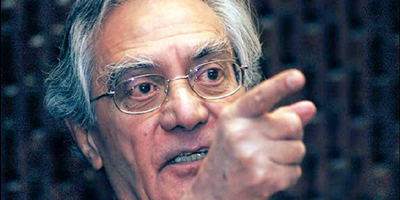
Born on 2 September 1932, Aslam Azhar is remembered as the founding father of Pakistan Television. After earning a law degree from Cambridge University, he chose not to pursue a legal career but instead immersed himself in the world of performing arts.
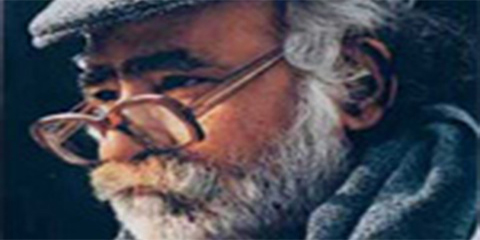
Zafar Iqbal Mirza
In the preface of Last Man, a compilation of his columns, Zafar Iqbal Mirza remembers his more than 42 years in journalism as "well and truly through the mill." His Lahori columns are a window
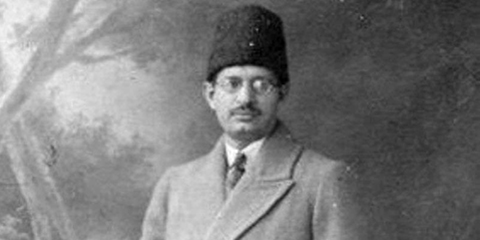
Ghulam Rasul Mehr (1895-1971)
Ghulam Rasul Mehr hailed from Jallunder in East Punjab. He received his education in Lahore from the Mission High School and Islamia College, after which he joined the education department in
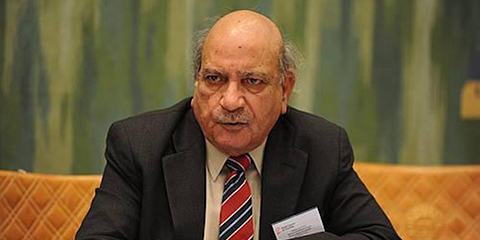
I A Rehman
A senior journalist and human rights activist, I A Rehman is known for his outspoken views. He served as editor-in-chief of The Pakistan Times from 1989-90. Since 1990 he has been serving as a director
Newsroom

Pele to Messi: How World Cup finals wrote football's greatest story
June 15, 2026 From Pele to Messi, World Cup finals shaped football's global story, tracing triumphs and heartbreaks and showing how the game became a shared language.
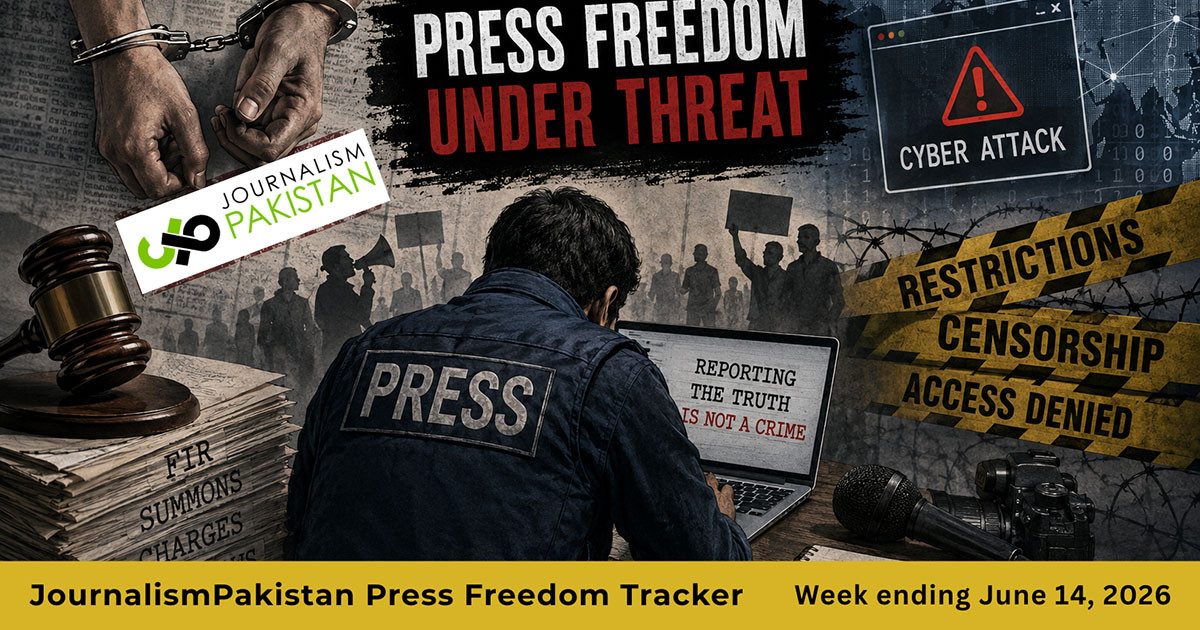
Press freedom review: From jail cells to cyberspace, threats to journalists multiply
June 14, 2026 Press freedom faces mounting challenges worldwide as journalists confront arrests, legal pressure, cyberattacks, online harassment, deportations, and reporting restrictions across multiple countries.
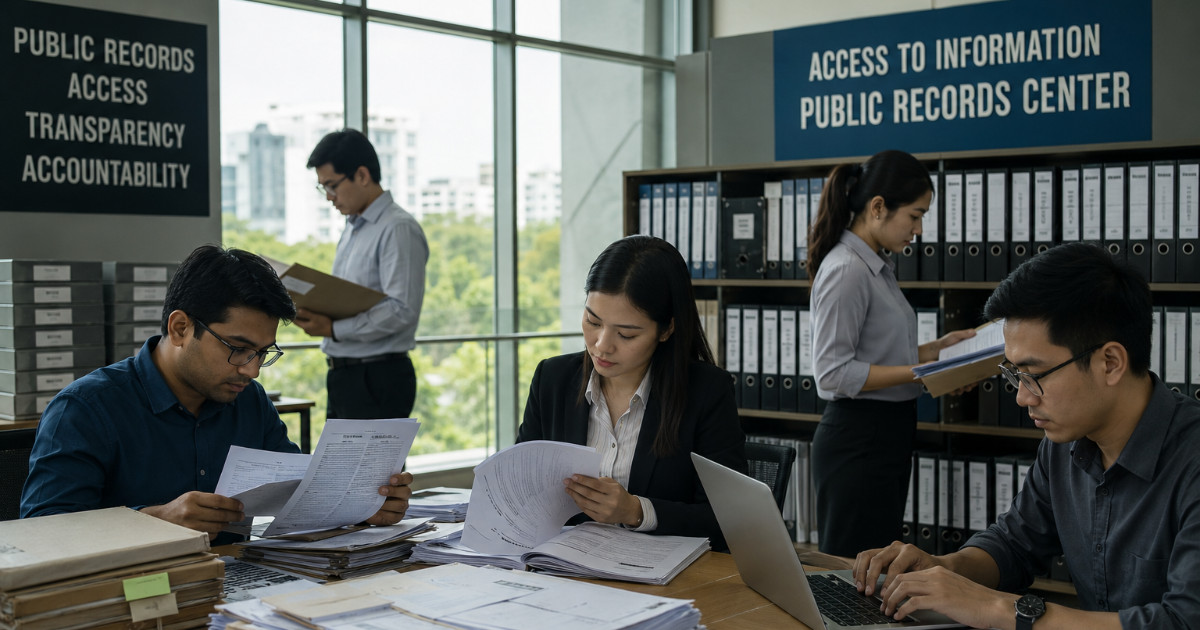
The right to know: Comparing access-to-information laws across Asia
June 14, 2026 Across Asia, RTI laws range from effective tools for journalism and accountability to paper laws weakened by bureaucracy, broad exemptions and poor enforcement.

Open-Source Intelligence (OSINT): How journalists verify information in the digital age
June 14, 2026 OSINT helps journalists verify social media, photos, videos, maps and public records to improve reporting accuracy and detect misinformation.

Ethiopia expels French journalist after Tigray reporting
June 13, 2026 Ethiopia expelled French reporter A. Passilly after Tigray reporting, drawing criticism from press groups as retaliatory and damaging to press freedom.
Popular Stories

Why publishers want AI companies to pay
Jun 06, 2026