
Imtiaz Sipra (1938-2001)
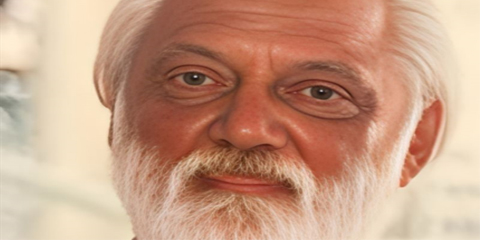
White hair flying with the first touch of air, drooping moustache pure silver with a touch of brown in the middle – brown due to burnt hair because of excessive smoking, Imtiaz Sipra was a phenomenal writer.
Born in Rangoon in 1938, Sipra had a never-ending passion for sports. He was a different character; difficult to understand and hard to come to grips with. His level of thinking was inconceivably high and his expression simply a poetic frenzy which would leave the ardent readers in a trance.
Sipra didn’t write for commoners; he wrote for people who adhered to orthodox Edwardian expression and appreciated satire.
His writing was a subject about which most people know very little. It was reputed to be abstruse, dark and obscure - a mysterious combination of psychology, theology, a predictive, mellow-dramatic narration of events.
Sipra was a man of great wisdom. Oddly enough, he was considered of no practical value because of his abrasive nature and his ability to annoy people. However, he was of tremendous value for those who followed cricket passionately.
There were misconceptions about his personality which need to be dispelled. He was an amazingly loving father, a teacher and an honest man who sporadically behaved intangibly under the influence of alcohol. His lust for drinks to an extent of habituation and chain-smoking took the zing out of his life.
Having started to drink and smoke as part of teenage frivolities, Sipra became dependent and that took the gloss off his most charming self. When Sipra was his real self, he was an institution. He could be a philosopher amongst the journalist glitterati and a story-teller amongst colleagues covering cricket matches or other sports events.
Sipra was extravagant and a multi-talented man. He also covered golf, bridge, polo, athletics and boxing.
At the time of his death in July 2001 of cardiac arrest, Sipra was serving as the Sports Editor of The News Lahore.
After the death of his wife in 1999, Sipra had become forlorn, mostly submerged in alcohol. He loved his two daughters and often pulled up his son Adnan, himself a fine journalist.
Sipra’s last cricketing stints as a journalist were in West Indies in 200 and England 2001. A damn good writer, he will long be remembered for his typical columns, full of enterprise and satire.
Source: The Fluctuating Fortunes
F.E. Choudhry (1909-2013)
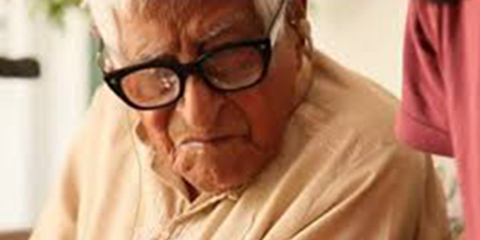
Affectionately known as Chacha in the journalist community, F. E. Choudhry is credited to have introduced innovative features to photojournalism, such as cricket action photography, pictorial and
Khalid Akhtar (1935-2005)
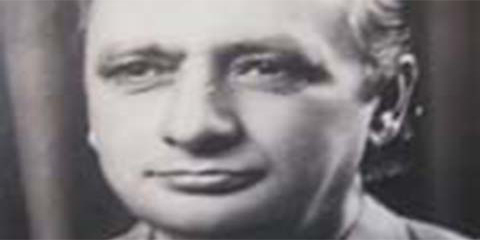
Khalid Akhtar was a senior journalist who started his career in 1973 as a Sub-Editor and Editorial Writer with The New Times. He worked with The Muslim in Islamabad as its Executive Editor
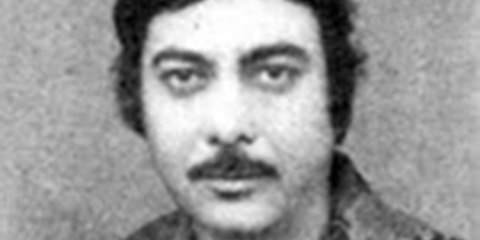
Riaz Batalvi (1937-2003)
Riaz Batalvi, a journalist, became a writer and a dramatist, giving PTV two of its best productions - Aik Haqeeqat, Aik Afsana and Dubai Chalo. Born as Riazul Hasan in February 1937 in Gurdaspur
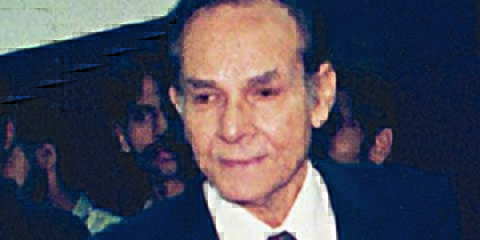
Ahmed Ali Khan (1924-2007)
Born in 1924 in Bhopal, Ahmed Ali Khan's association with Dawn began in Delhi in 1946 and ended in Karachi in 2004. He remained with the newspaper for nearly 42 years - 28 of them as editor
Maulana Salahuddin Ahmad (1902-1964)
Maulana Salahuddin Ahmad, editor of one of the most prestigious journals, Adabi Dunya, was born on March 25, 1902. According to Rauf Parekh, he was not 'Maulana' in the sense that the word is
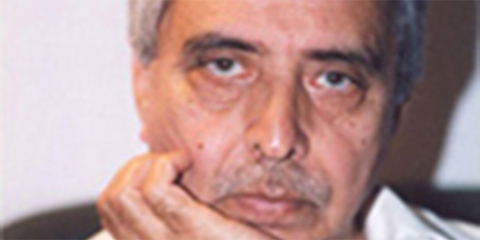
Khalid Hasan (1935-2009)
Khalid Hasan was a senior Pakistani journalist and writer. He was born in Srinagar, Kashmir. He was the brother in law of the first elected president of Azad Jammu & Kashmir K H Khurshid, private secretary

Muhammad Ziauddin (1938-2021)
Muhammad Ziauddin, renowned as a capable and fiercely independent journalist, left a lasting legacy spanning over five decades. Known respectfully as Ziauddin Sahab, he was regarded as one of the last legendary journalists in Pakistan.

Asaf Jilani
Asaf Jilani was born in Aligarh in 1934. He got his primary education at Jamia Millia Islamia in Delhi where Dr. Zakir Hussain was Shaikh ul Jamia. Dr. Hussain later became the third President of
Newsroom

Pele to Messi: How World Cup finals wrote football's greatest story
June 15, 2026 From Pele to Messi, World Cup finals shaped football's global story, tracing triumphs and heartbreaks and showing how the game became a shared language.

Press freedom review: From jail cells to cyberspace, threats to journalists multiply
June 14, 2026 Press freedom faces mounting challenges worldwide as journalists confront arrests, legal pressure, cyberattacks, online harassment, deportations, and reporting restrictions across multiple countries.
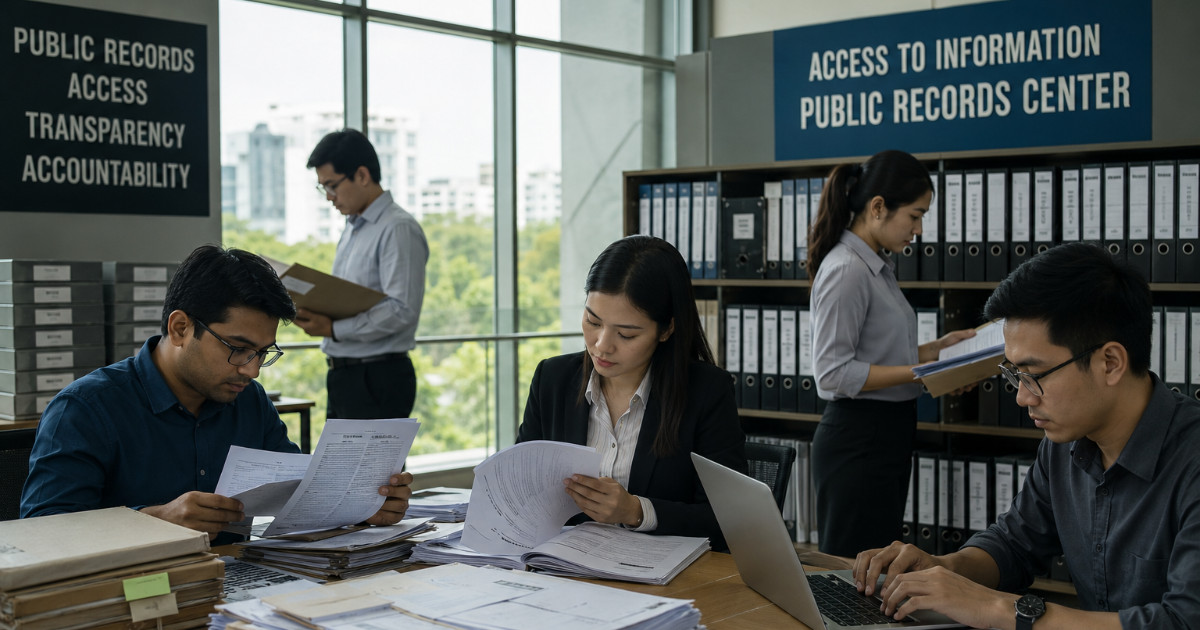
The right to know: Comparing access-to-information laws across Asia
June 14, 2026 Across Asia, RTI laws range from effective tools for journalism and accountability to paper laws weakened by bureaucracy, broad exemptions and poor enforcement.

Open-Source Intelligence (OSINT): How journalists verify information in the digital age
June 14, 2026 OSINT helps journalists verify social media, photos, videos, maps and public records to improve reporting accuracy and detect misinformation.
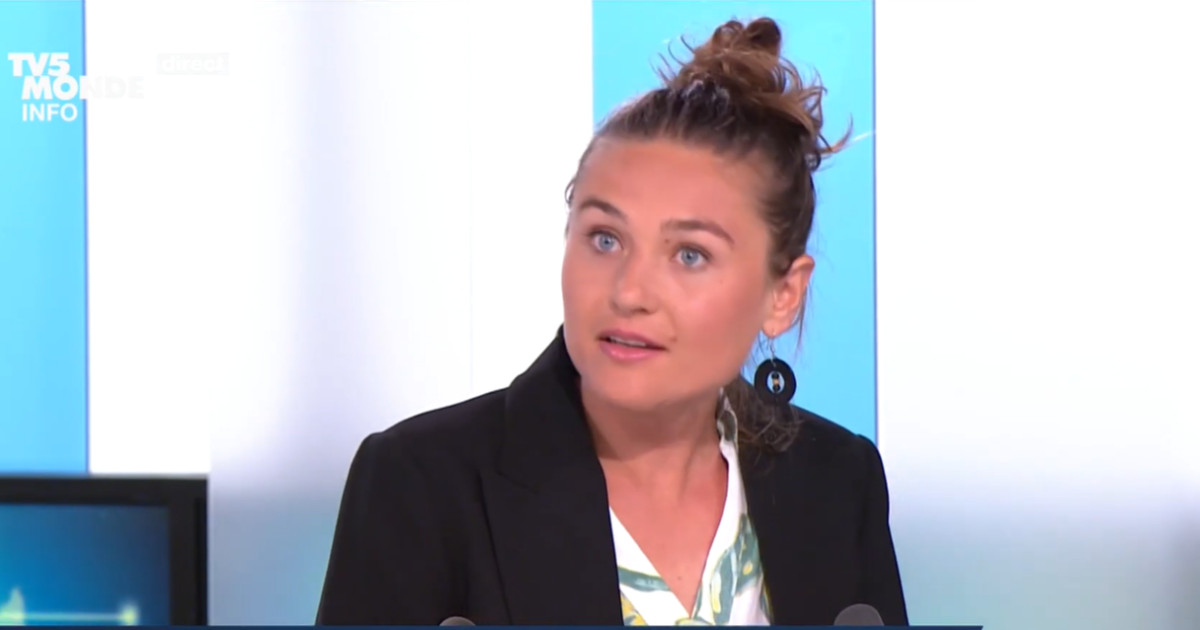
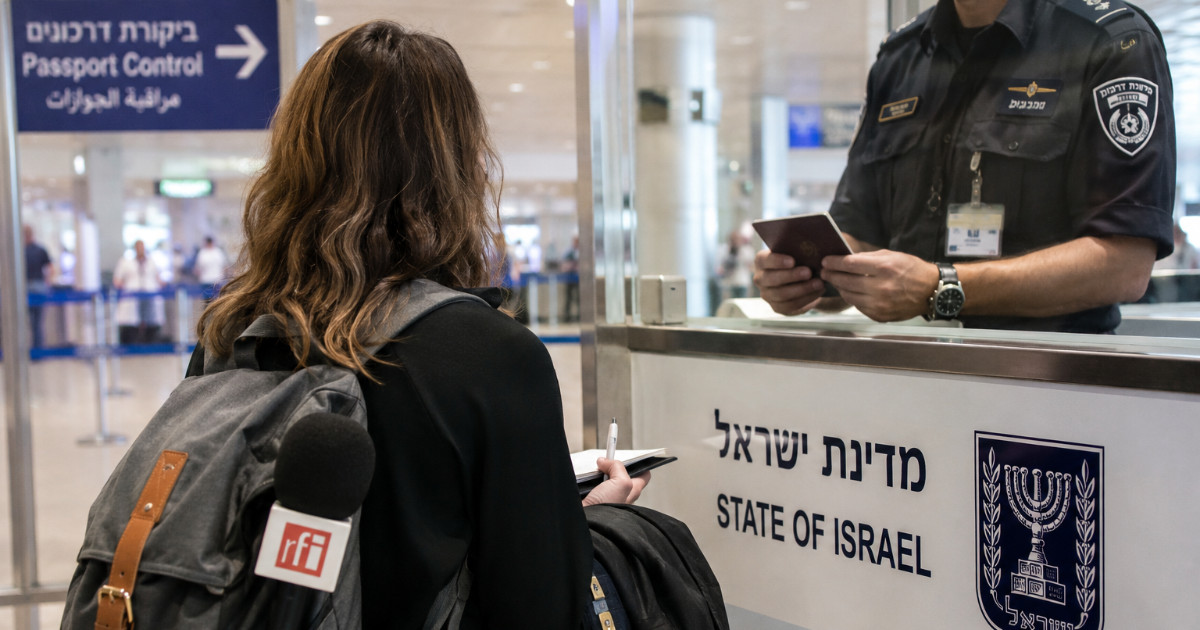
Ethiopia expels French journalist after Tigray reporting
June 13, 2026 Ethiopia expelled French reporter A. Passilly after Tigray reporting, drawing criticism from press groups as retaliatory and damaging to press freedom.
Popular Stories

Why publishers want AI companies to pay
Jun 06, 2026