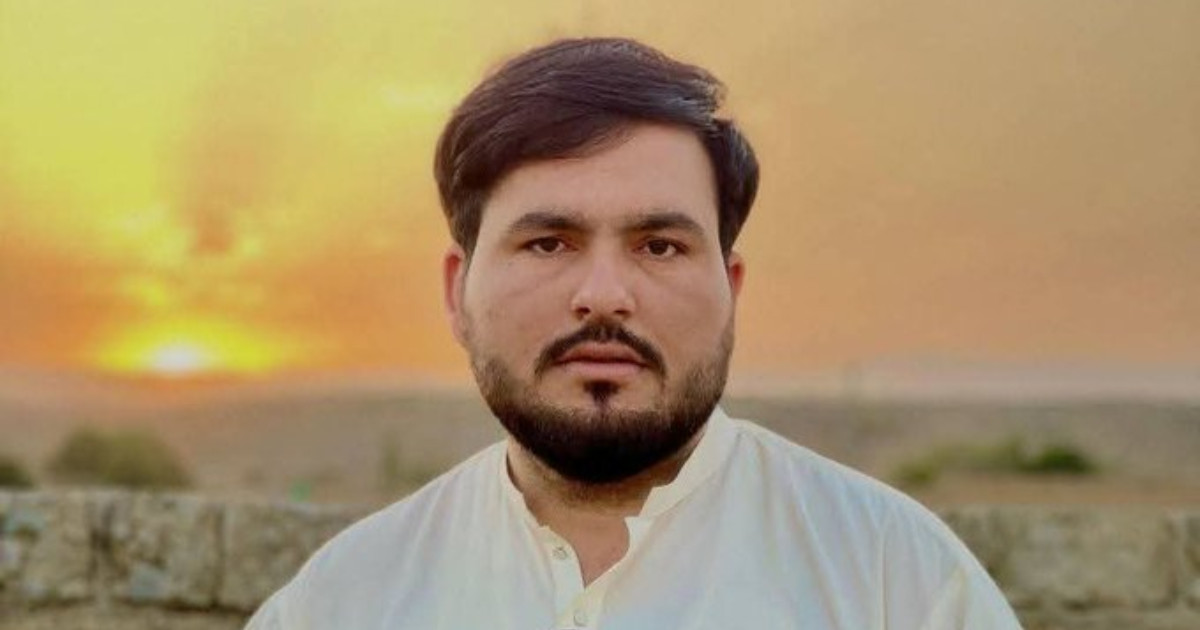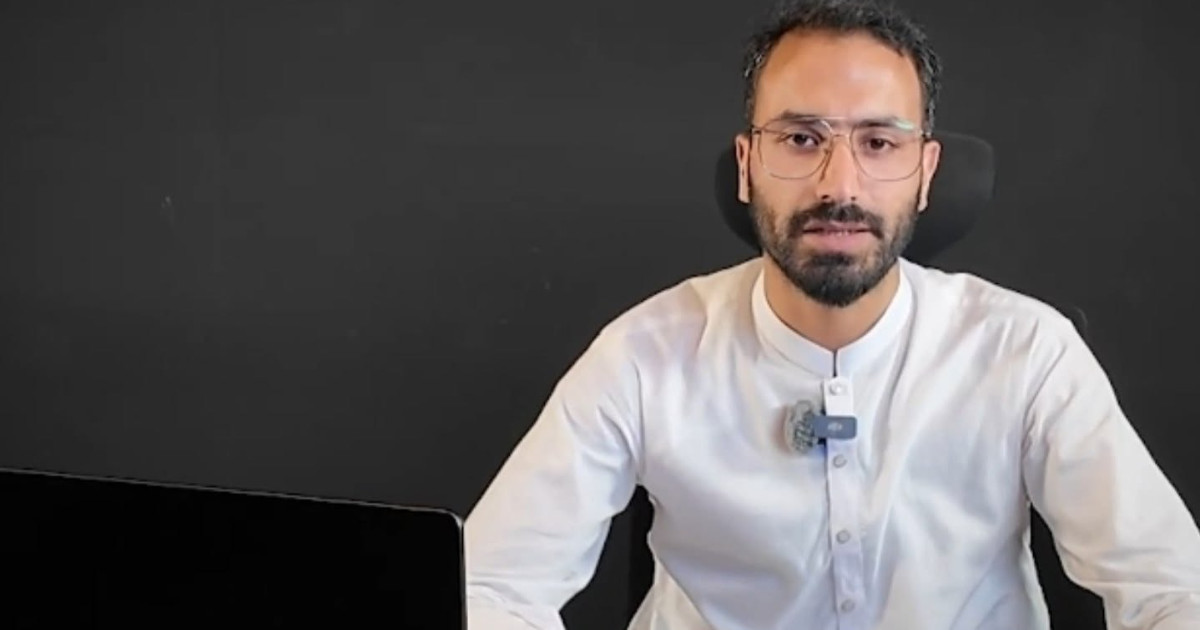

Zafar Iqbal Mirza
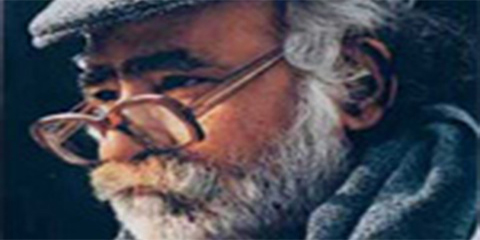
In the preface of Last Man, a compilation of his columns, Zafar Iqbal Mirza remembers his more than 42 years in journalism as “well and truly through the mill.” His Lahori columns are a window on Lahore, on individuals, on sports, and on politics that are no more part of our lives.
For Jugnu Moshin, “those who enjoy his acerbic writing, for that crush of bohemian admirers who are in and out of his life, Zafar Iqbal Mirza is an accomplished and entertaining guide.” However like most journalists, ZIM thinks that whatever he wrote was “transient in nature and was eminently unworthy of being preserved for posterity.”
Born on 9 August 1936 and educated at the Central Model High School and the Government College, ZIM started his journalistic career in 1962 from The Civil and Military Gazette, which closed down in 1963. However ZIM joined The Pakistan Times on October 17, 1962 and served the paper in several capacities before retiring in May 1979.
In August 1975 he joined Mazhar Ali Khan’s weekly magazine, Viewpoint, and stayed with it until its demise on April 2, 1992. For ZIM, “the magazine was born in poverty and died in greater poverty.” Though for him, he “never worked harder on any job, which has gone so unrecognized and unrewarded,” his association with Mazhar was “professionally more valuable than can be measured in terms of money. He turned a job into a vocation for me.”
Between 1979 and 1982, ZIM joined The Muslim in Islamabad. According to him, “these three years were the most exciting part of an otherwise uneventful journey through life.”
He was appointed assistant editor at Dawn in 1983 where he worked till 2000 before becoming resident editor of the paper’s Lahore edition on June 15 the same year.
ZIM also served as a correspondent for The Pakistan Observer in 1970-71. He worked as a scriptwriter for Radio Pakistan and for PTV apart from writing for The Frontier Post, Peshawar.
Source: Sajjanlahore.org and Last Man
Photo courtesy: Sajjanlahore.org

Anjum Niaz (1948-2018)
Before joining journalism, Anjum Niaz taught at the Karachi American School and Pakistan American Council. A master's in English Literature from the Punjab University, she joined the
Maulana Salahuddin Ahmad (1902-1964)
Maulana Salahuddin Ahmad, editor of one of the most prestigious journals, Adabi Dunya, was born on March 25, 1902. According to Rauf Parekh, he was not 'Maulana' in the sense that the word is
Aslam Azhar (1932-2015)
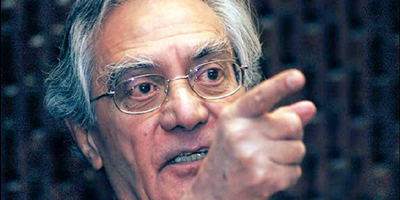
Born on 2 September 1932, Aslam Azhar is remembered as the founding father of Pakistan Television. After earning a law degree from Cambridge University, he chose not to pursue a legal career but instead immersed himself in the world of performing arts.

Altaf Husain (1900-1968)
One of the pioneers of journalism in Pakistan, Altaf first came to notice with his forceful advocacy of Indian Muslims' case in colonial India through articles in the press (as a government servant he

Safdar Mir (1922-1998)
Born in Lahore, Mohammad Safdar Mir was respected and feared for his encyclopedic knowledge, making his mark as a poet and playwright. He acted on stage in both Bombay and Lahore
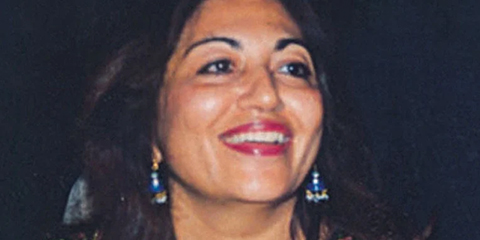
Razia Bhatti (1944-1996)
Razia Bhatti has been described as a crusader, a torch-bearer, and a symbol of courage. In 1996, the Pakistan Press Foundation called her untimely death at the age of 52 an 'end of a golden chapter of journalism in Pakistan.'

Muhammad Ziauddin (1938-2021)
Muhammad Ziauddin, renowned as a capable and fiercely independent journalist, left a lasting legacy spanning over five decades. Known respectfully as Ziauddin Sahab, he was regarded as one of the last legendary journalists in Pakistan.
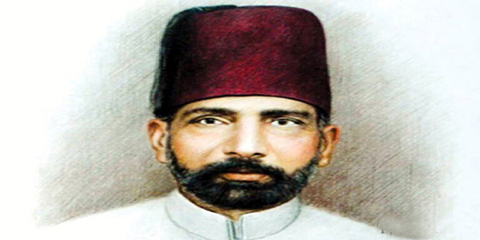
Maulana Zafar Ali Khan (1873-1956)
Writer, journalist and politician, Maulana Zafar Ali Khan belonged to a learned family of Karamabad district, Gujranwala, Punjab. He received his early education in Wazirabad and Patiala.
Newsroom

Pele to Messi: How World Cup finals wrote football's greatest story
June 15, 2026 From Pele to Messi, World Cup finals shaped football's global story, tracing triumphs and heartbreaks and showing how the game became a shared language.
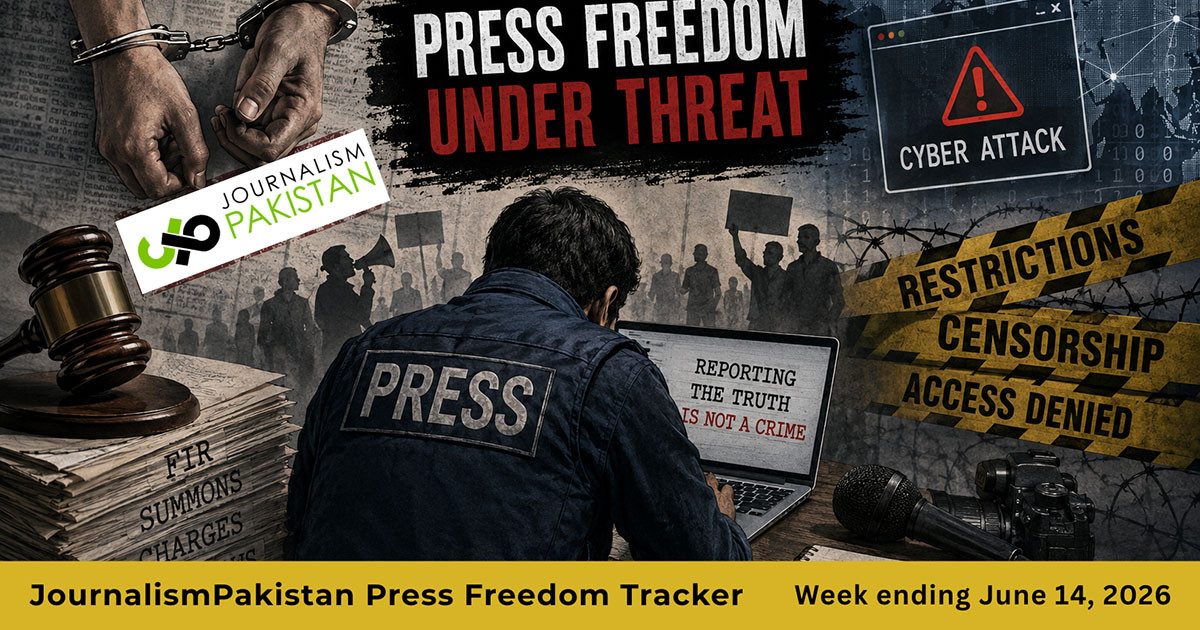
Press freedom review: From jail cells to cyberspace, threats to journalists multiply
June 14, 2026 Press freedom faces mounting challenges worldwide as journalists confront arrests, legal pressure, cyberattacks, online harassment, deportations, and reporting restrictions across multiple countries.
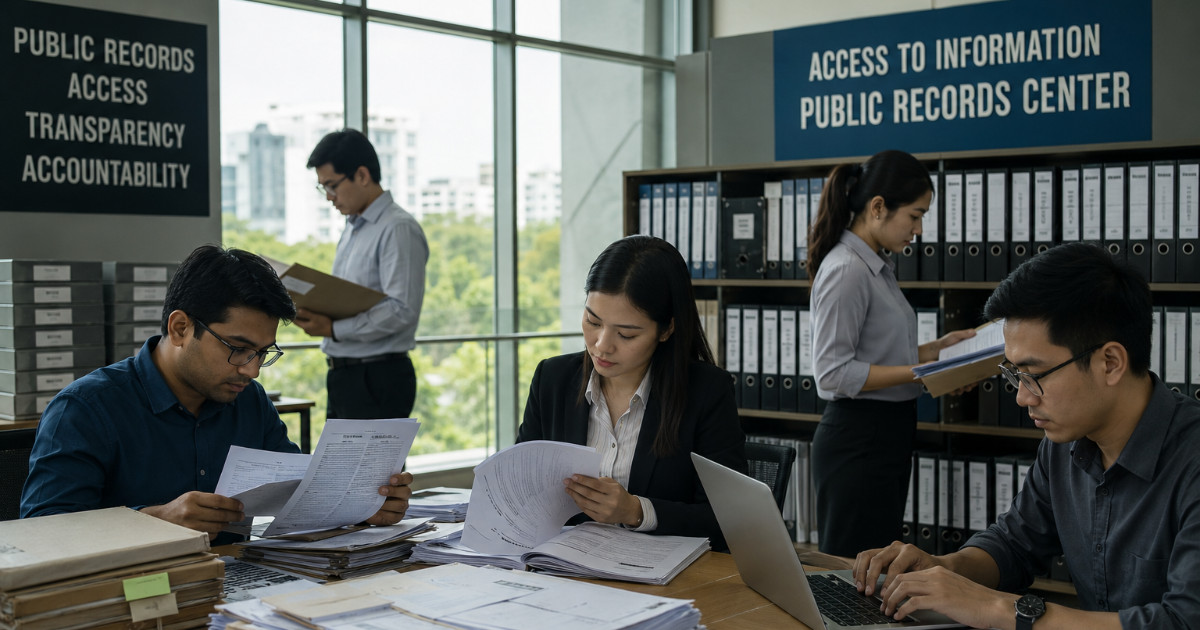
The right to know: Comparing access-to-information laws across Asia
June 14, 2026 Across Asia, RTI laws range from effective tools for journalism and accountability to paper laws weakened by bureaucracy, broad exemptions and poor enforcement.
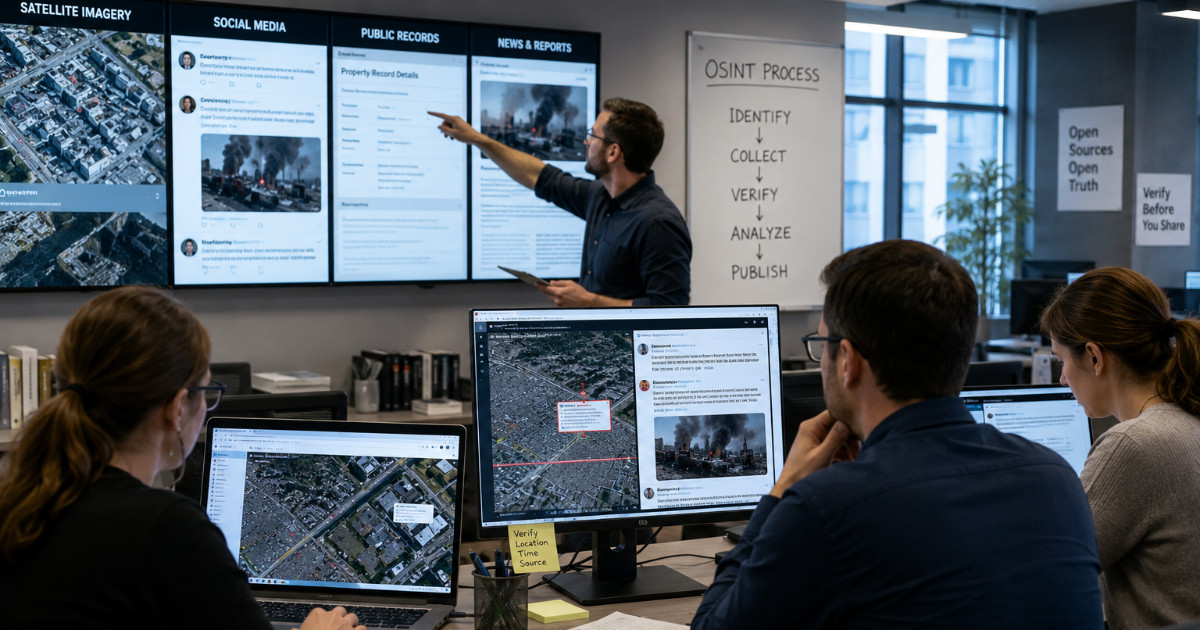
Open-Source Intelligence (OSINT): How journalists verify information in the digital age
June 14, 2026 OSINT helps journalists verify social media, photos, videos, maps and public records to improve reporting accuracy and detect misinformation.

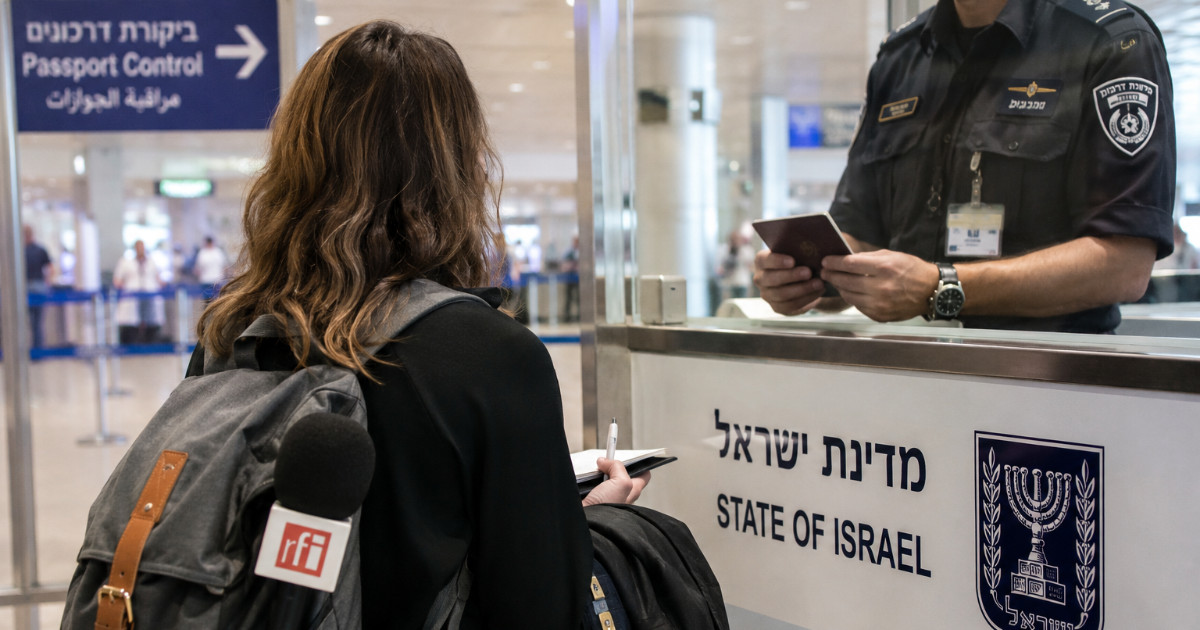
Ethiopia expels French journalist after Tigray reporting
June 13, 2026 Ethiopia expelled French reporter A. Passilly after Tigray reporting, drawing criticism from press groups as retaliatory and damaging to press freedom.
Popular Stories

Why publishers want AI companies to pay
Jun 06, 2026