
Mir Khalil-ur-Rahman (1927-1992)
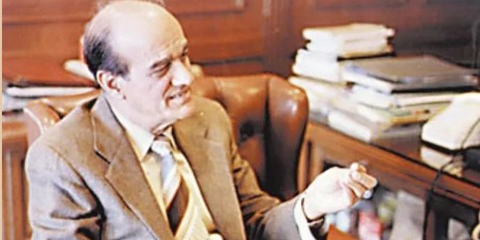
Mir Khalil-ur-Rahman was the Founder and Editor of the Jang Group of Newspapers.. A self-made newspaper magnate he ranks among the most successful newspaper entrepreneurs in Asia.
Rahman was born in 1927 in a middle class family in Gujranwala where he received his schooling and college education. Having finished his basic education, he graduated in Accountancy from the Punjab University.
During the Second World War, his parents moved to New Delhi. It was here that he discovered his love for journalism. The newspaper world attracted him far more than the boring accountancy books. He had a passion for reading and writing and a fondness for newspapers and magazines. He sat glued to his radio set, listening to the latest war news.
In 1940, when he was still a student, he started a newspaper for Muslims in pre-partition Hindustan fighting in World War II in Delhi. He called it the Jang, or War. This was not an exaggerated name as some believed, but a statement against war, and so Rahman made it clear he was doing this for the soldiers and not to encourage the Second World War.
When Pakistan came into being on August 14, 1947, Rahman moved to Karachi, capital of the new Muslim State, and started publishing the Daily Jang from there which was funded by a loan of Rs5000 from Abdul Ghani Barq of Ferozsons Printers.
Pakistan's Governor General, Quaid-i-Azam Mohammad Ali Jinnah was delighted due to this move and offered the government's help in running it. Rahman however, declined the offer saying freedom of the press was his motto and the goal for the Fourth pillar of State in Pakistan.
He galvanised the press in Pakistan and helped in founding the Council of Pakistan Newspapers Editors (CPNE). He opposed tooth and nail any government measure or action which curbed the freedom of the press in Pakistan.
Rahman’s newspaper empire besides the Urdu language Jang also includes English daily The News and a number of other publications. He died in 1992.
Source: Wikipedia
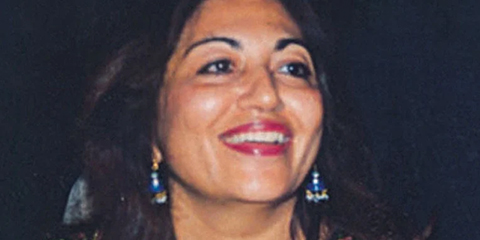
Razia Bhatti (1944-1996)
Razia Bhatti has been described as a crusader, a torch-bearer, and a symbol of courage. In 1996, the Pakistan Press Foundation called her untimely death at the age of 52 an 'end of a golden chapter of journalism in Pakistan.'
Khalid Hasan (1935-2009)
Khalid Hasan was a senior Pakistani journalist and writer. He was born in Srinagar, Kashmir. He was the brother in law of the first elected president of Azad Jammu & Kashmir K H Khurshid, private secretary
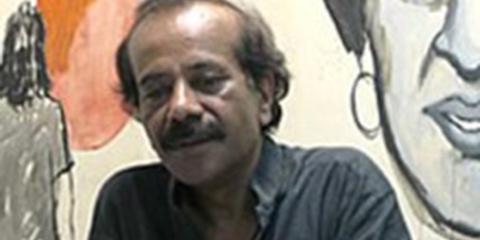
Rafique (Feica)
Born in 1957 in Multan, Feica started his schooling there, but could never take to studies. According to him, he was "only interested in drawing". He credits his father for allowing him to pursue his dream

Maleeha Lodhi
Maleeha Lodhi obtained her Ph.D in Politics from the London School of Economics in 1980, having received her B.Sc (Econ) from the same institution in 1976. She taught Politics and Sociology at
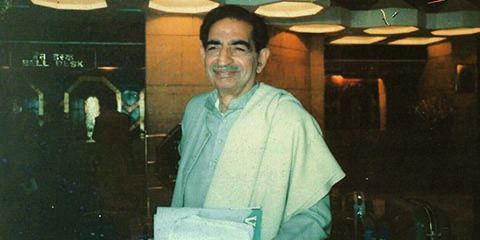
Mazhar Ali Khan (1918-1993)
Mazhar Ali Khan served as the Editor-in-Chief of the newspapers Pakistan Times from 1951 to 1959, Dawn in 1972, and the journal Viewpoint. He graduated from the Punjab University in Lahore in 1939
Majeed Lahori (1913-1957)
Majeed Lahori, born Abdul Majid Chohan in 1913 in Gujrat, was truly a people's columnist, according to Khalid Hasan, adding what he wrote remains as delightful today as it was then.
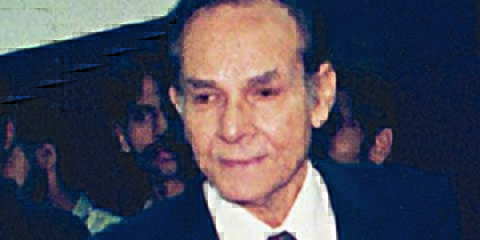
Ahmed Ali Khan (1924-2007)
Born in 1924 in Bhopal, Ahmed Ali Khan's association with Dawn began in Delhi in 1946 and ended in Karachi in 2004. He remained with the newspaper for nearly 42 years - 28 of them as editor
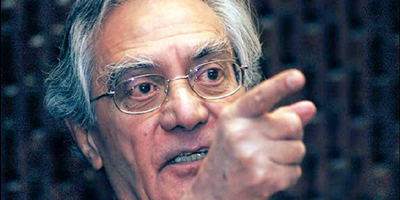
Aslam Azhar (1932-2015)
Born on 2 September 1932, Aslam Azhar is remembered as the founding father of Pakistan Television. After earning a law degree from Cambridge University, he chose not to pursue a legal career but instead immersed himself in the world of performing arts.
Newsroom

Pele to Messi: How World Cup finals wrote football's greatest story
June 15, 2026 From Pele to Messi, World Cup finals shaped football's global story, tracing triumphs and heartbreaks and showing how the game became a shared language.
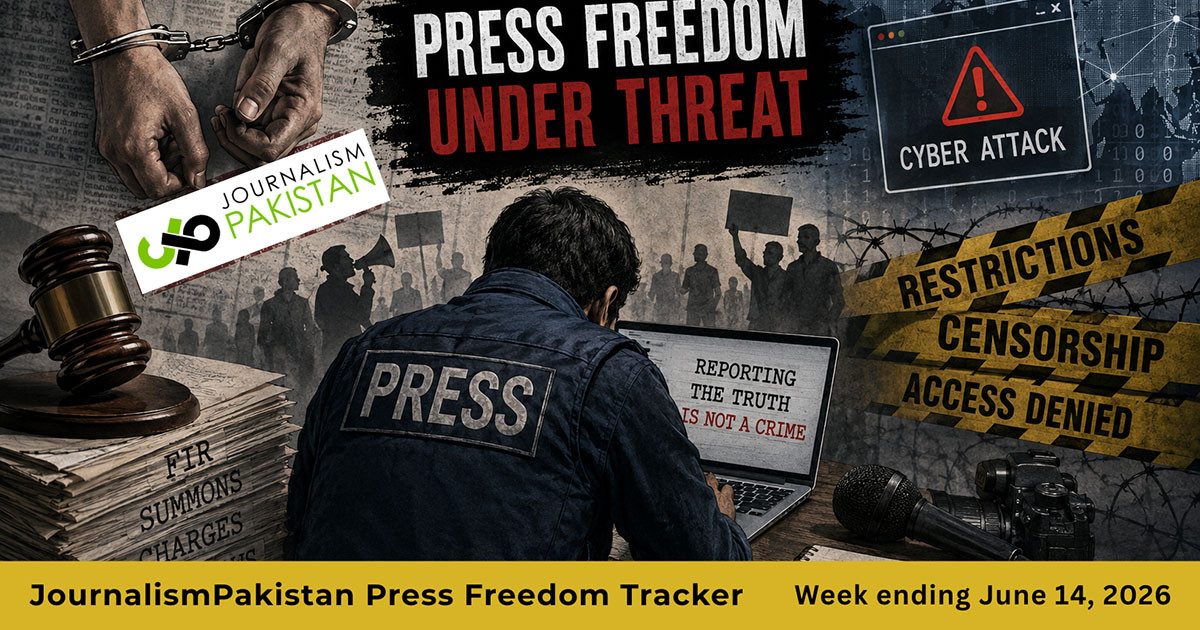
Press freedom review: From jail cells to cyberspace, threats to journalists multiply
June 14, 2026 Press freedom faces mounting challenges worldwide as journalists confront arrests, legal pressure, cyberattacks, online harassment, deportations, and reporting restrictions across multiple countries.
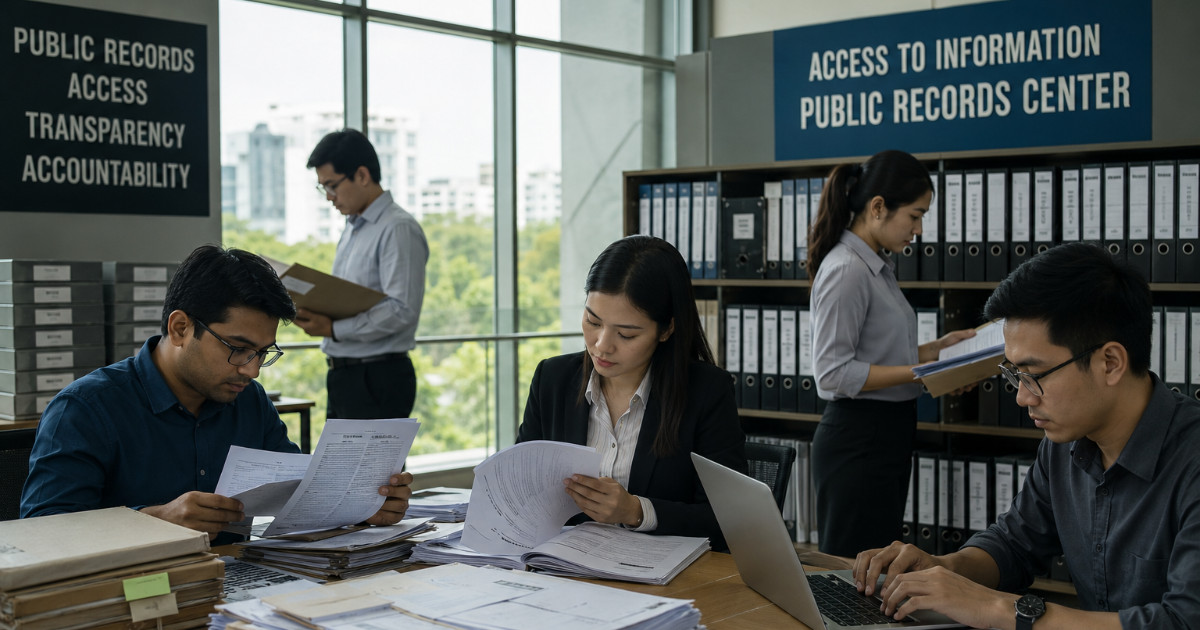
The right to know: Comparing access-to-information laws across Asia
June 14, 2026 Across Asia, RTI laws range from effective tools for journalism and accountability to paper laws weakened by bureaucracy, broad exemptions and poor enforcement.

Open-Source Intelligence (OSINT): How journalists verify information in the digital age
June 14, 2026 OSINT helps journalists verify social media, photos, videos, maps and public records to improve reporting accuracy and detect misinformation.
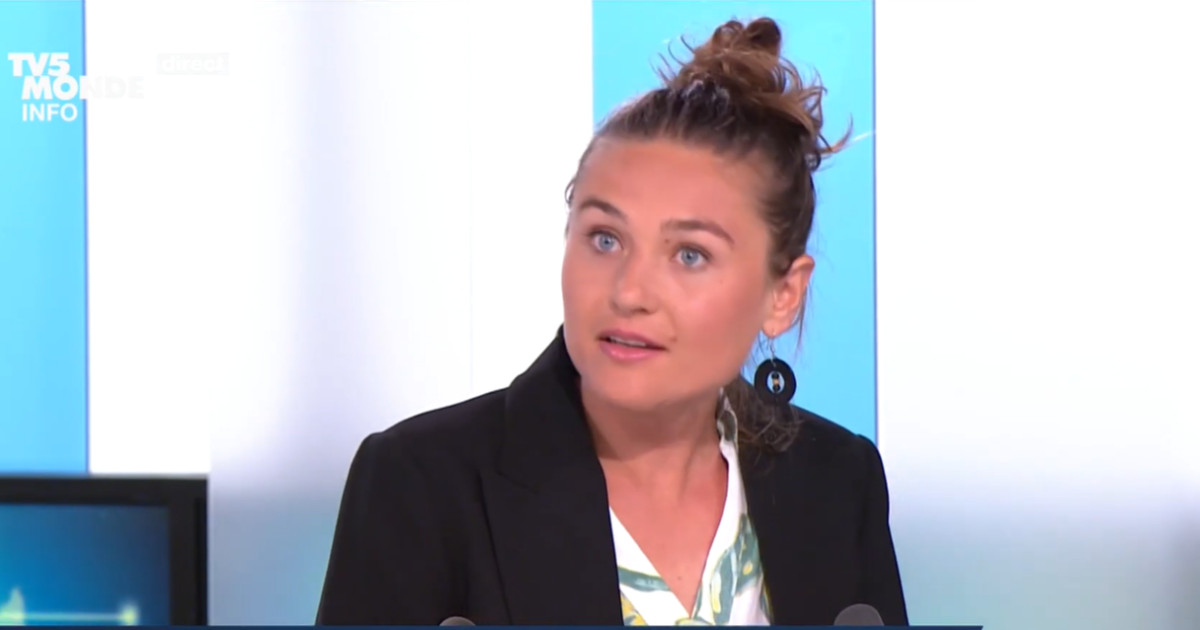
Ethiopia expels French journalist after Tigray reporting
June 13, 2026 Ethiopia expelled French reporter A. Passilly after Tigray reporting, drawing criticism from press groups as retaliatory and damaging to press freedom.
Popular Stories

Why publishers want AI companies to pay
Jun 06, 2026