
Bangladesh politicians allege state inaction in media attacks
JournalismPakistan.com | Published: 29 December 2025 | JP Asia Desk
Join our WhatsApp channel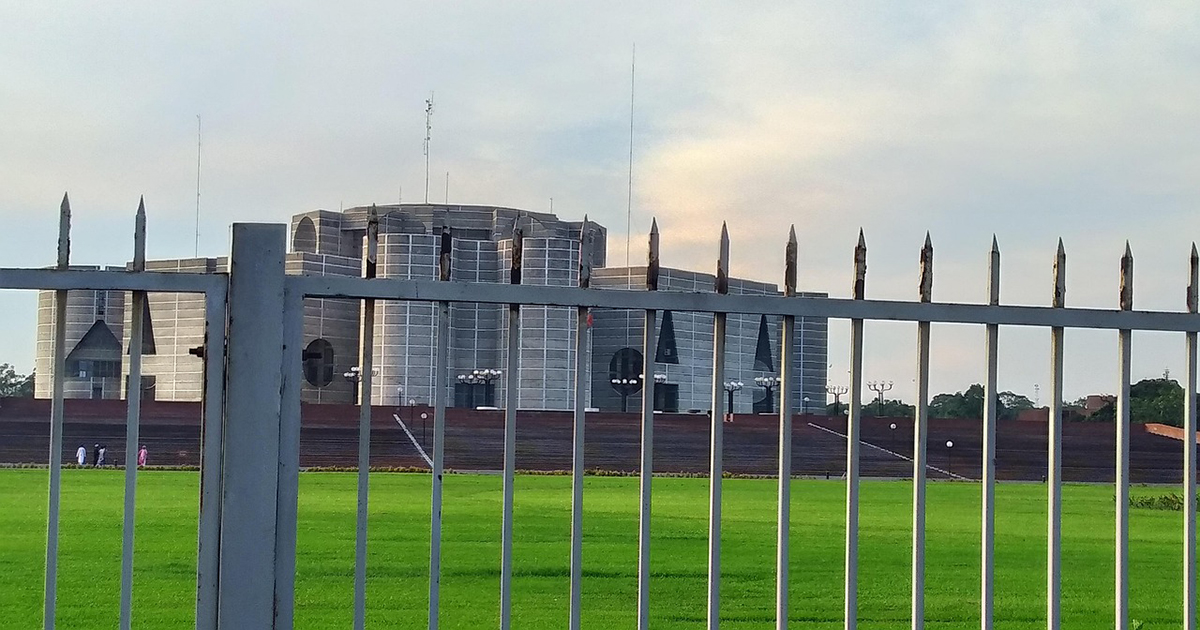
Political figures in Bangladesh are alleging state inaction regarding recent mob attacks on media houses. The claims highlight fears over press freedom and accountability mechanisms.Summary
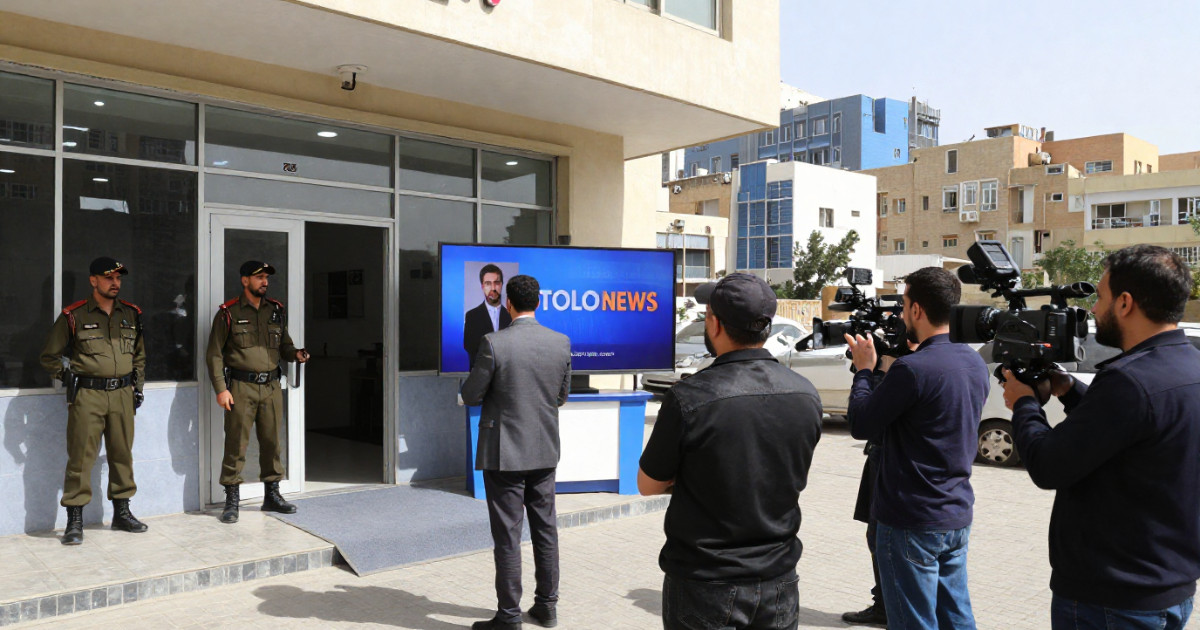
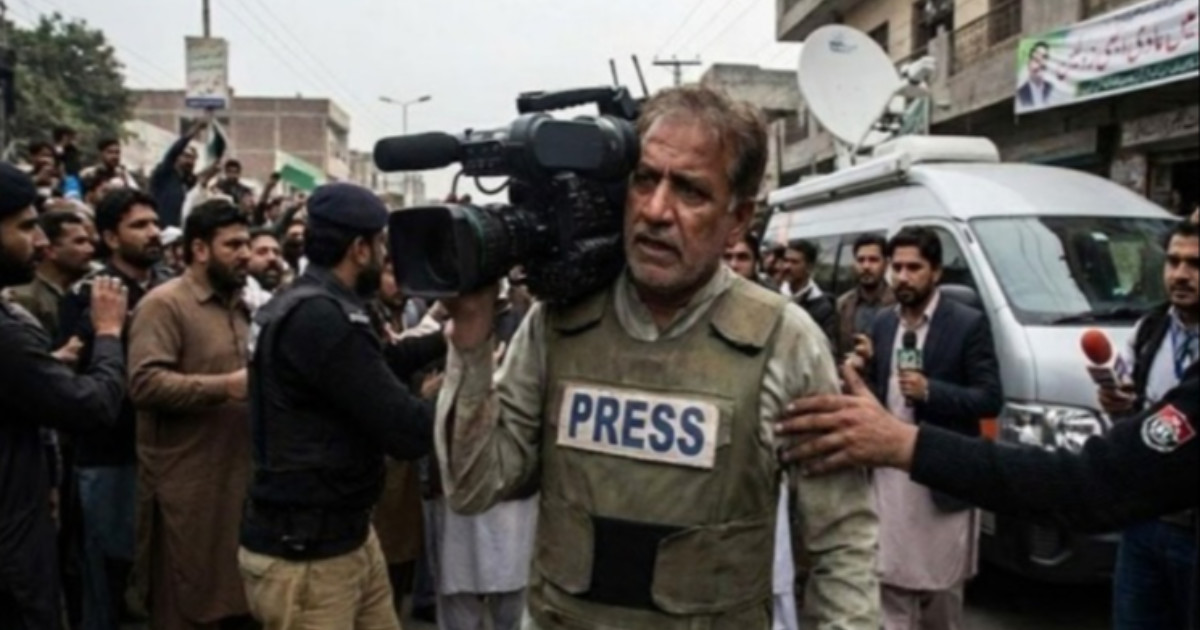
DHAKA — Political figures in Bangladesh have publicly alleged that elements within the country’s interim administration may have failed to act decisively to prevent recent mob attacks on media houses, deepening concerns about press freedom and state responsibility.
The claims, made in statements to local media and at political briefings, stop short of presenting direct evidence but argue that the absence of timely intervention enabled groups to target news organizations during periods of heightened political tension.
Allegations raise questions about state responsibility
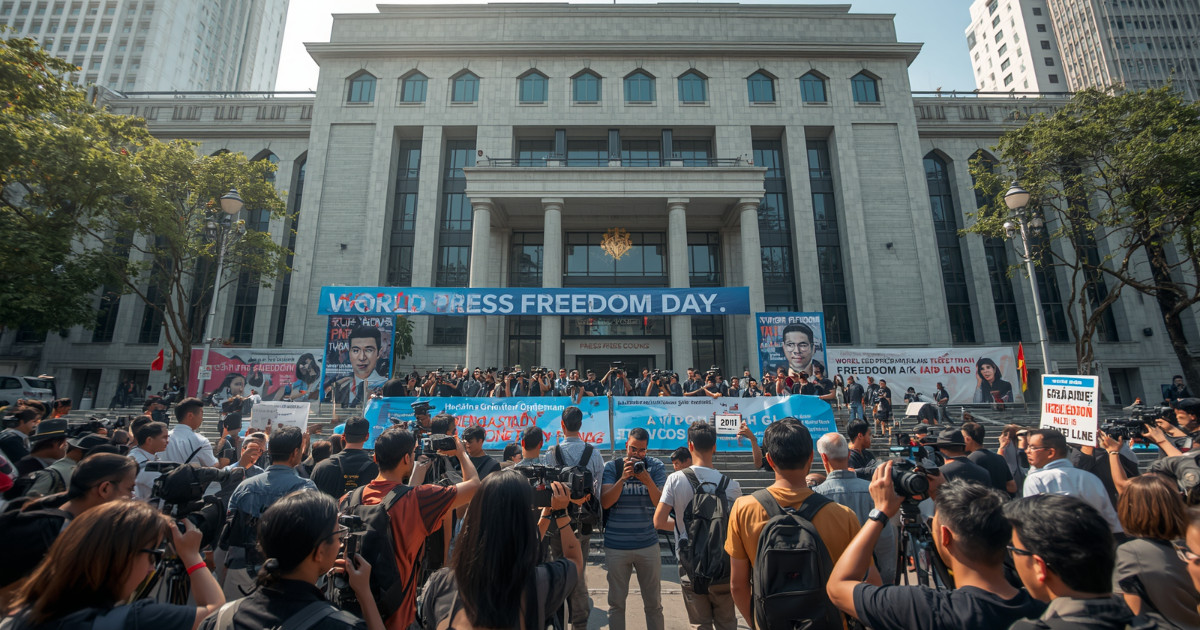
Press freedom advocates note that under international norms, governments have a duty to protect journalists and media infrastructure, regardless of political circumstances. The allegations have therefore intensified scrutiny of how state institutions respond when media outlets come under threat.
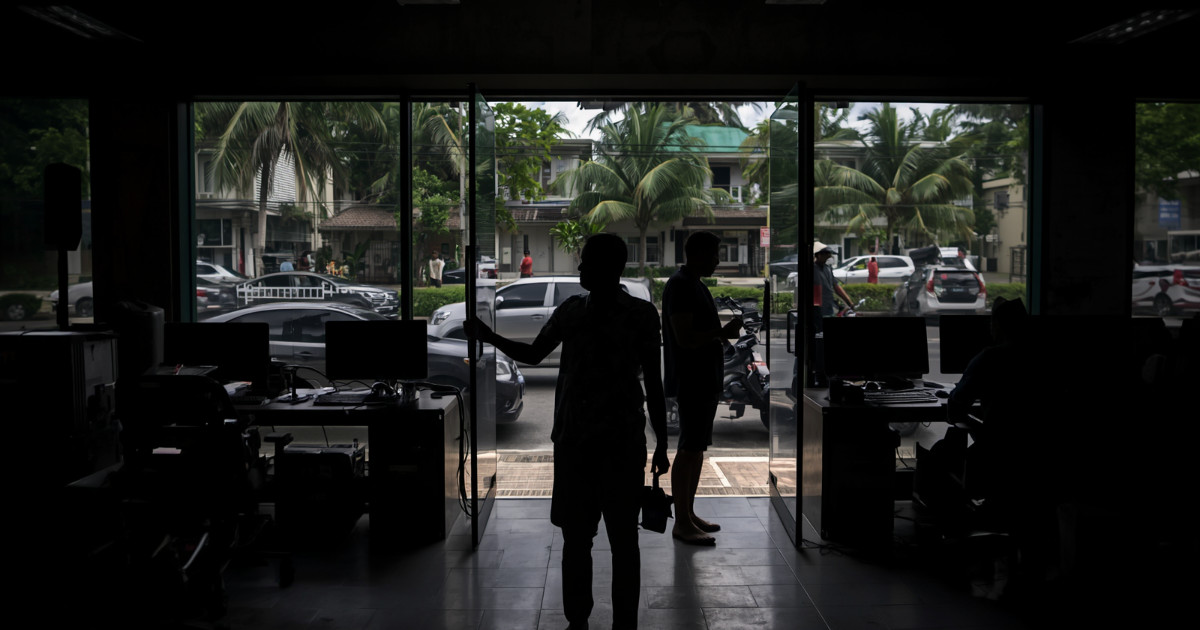
Editors and journalist unions have separately confirmed that multiple media offices were damaged or disrupted, describing an atmosphere of fear among newsroom staff and freelancers operating in volatile environments.
Calls grow for accountability and journalist protection
Media associations have urged authorities to conduct transparent investigations, identify those responsible for the attacks, and clarify whether any official negligence occurred. They have also renewed calls for stronger legal and physical protections for journalists, particularly during political unrest.
Analysts say the episode reflects broader regional challenges, where polarized politics and weak enforcement mechanisms often leave newsrooms vulnerable. While the allegations remain contested, they have added pressure on the interim administration to demonstrate a clear commitment to safeguarding independent media.
ATTRIBUTION: Reporting based on statements by Bangladeshi political figures and public calls from local media associations and editors.
PHOTO: By Tanjim A Rakib from Pixabay
Key Points
- Bangladeshi politicians allege state inaction during mob attacks on media houses
- Claims focus on failure to prevent violence rather than proven coordination
- Media offices reported damage and disruption amid political unrest
- Journalist groups demand investigations and stronger safety guarantees
- The situation has renewed debate over press freedom protections
Relevant Topics
Ask AI: Understand this story your way
AI EnabledDig deeper, ask anything — get instant context, background, and clarity.
Disclaimer: This feature is powered by AI and is intended to help readers explore and understand news stories more easily. While we strive for accuracy, AI-generated responses may occasionally be incomplete or reflect limitations in the underlying model. This feature does not represent the editorial views of JournalismPakistan. For our full, verified reporting, please refer to the original article.