

AFP journalist's detention highlights pressure on West Bank press
JournalismPakistan.com | Published: 13 August 2026 | JP Middle East Desk
Join our WhatsApp channel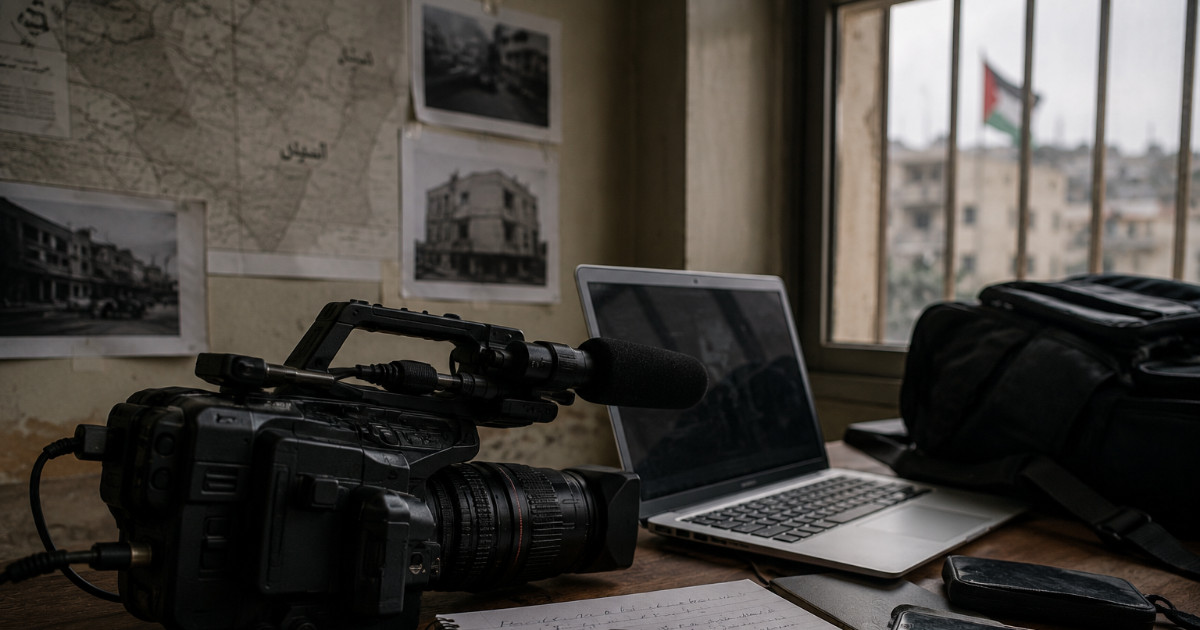
AFP video journalist Mohammed Awad was detained at his home near Ramallah on Aug. 12, his wife said. Palestinian Prisoners' Society says 40 journalists are held, while CPJ recorded 108 arrests since Oct. 7, 2023, as of June 3, 2026.Summary
RAMALLAH — Israeli forces detained Palestinian video journalist Mohammed Awad at his home near Ramallah on August 12, adding another Palestinian journalist to the growing number held in Israeli custody as restrictions and security-related arrests continue to shape the reporting environment in the occupied West Bank.
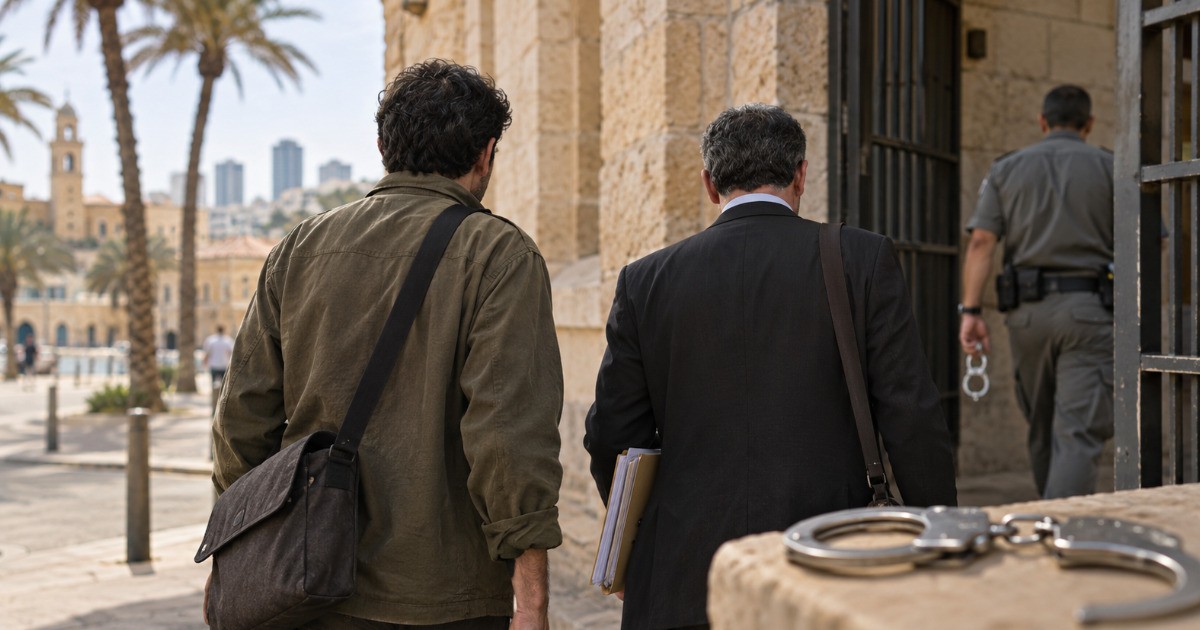
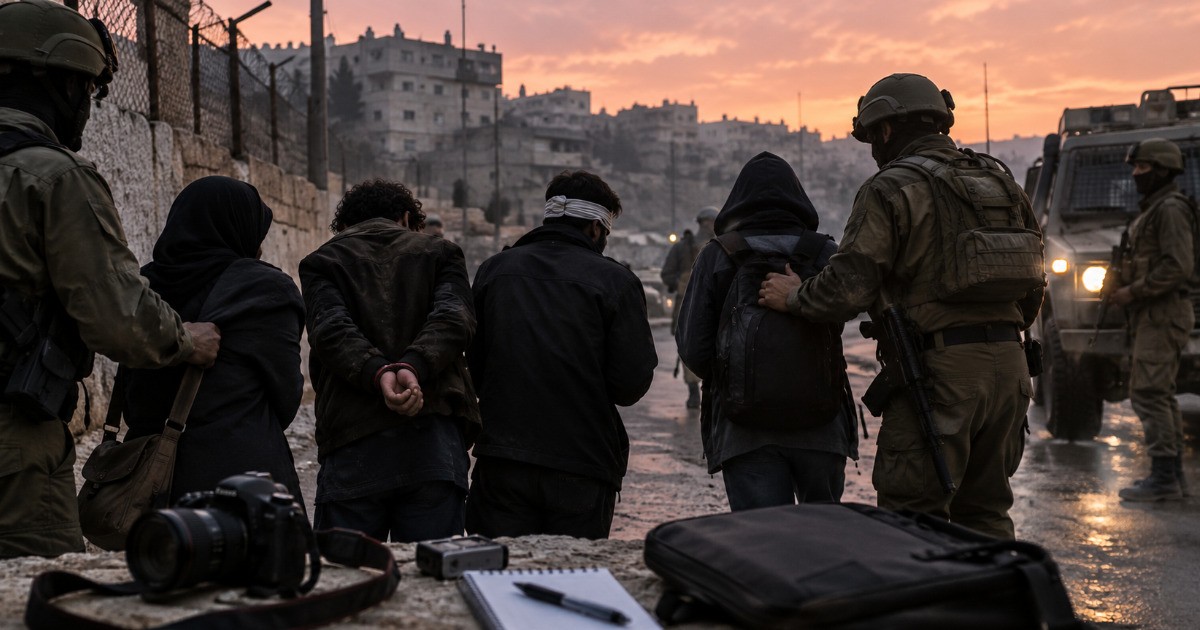
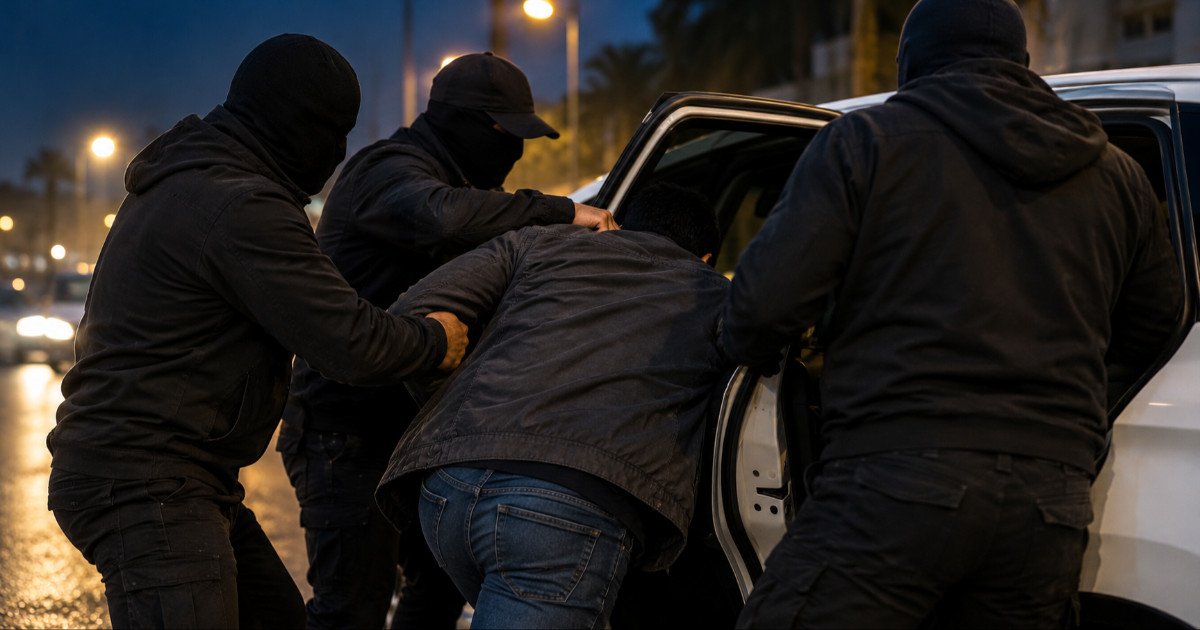
Awad, 38, has worked as a video journalist for Agence France-Presse and was taken from his home in Beitunia at about 6 a.m., according to his wife, Iman Shalash, who told AFP that soldiers blindfolded and handcuffed him before taking him away. The arrest was also reported by The Times of Israel. The Israeli military did not initially provide AFP with a reason for the detention.
The Palestinian Prisoners’ Society said Awad’s detention brought to 40 the number of Palestinian journalists being held by Israel. That figure is attributed to the prisoners’ organization and could not be independently reconciled with the latest public database maintained by the Committee to Protect Journalists, which documented 108 journalist and media-worker arrests across Israel and the occupied Palestinian territories since October 7, 2023, including 102 by Israeli authorities, as of June 3, 2026.
The distinction matters because figures relating to journalists killed, arrested, or currently detained have frequently been cited together during the Gaza war. A claim in the supplied material that more than 250 Palestinian journalists had been arrested since the start of the war could not be independently verified and is not consistent with CPJ’s latest publicly available arrest tally. It has therefore not been used as an established figure in this story.
Detention adds to a broader pattern
The Palestinian Journalists’ Syndicate described Awad’s arrest as part of what it called a systematic policy of targeting Palestinian journalists and obstructing the work of the press. That characterization is the syndicate’s position, rather than an independently established finding, but it comes against a documented record of arrests and other restrictions affecting Palestinian journalists since the war began.
CPJ reported in February that it had documented at least 94 Palestinian journalists and one media worker detained by Israeli authorities between October 2023 and February 2026. Of those documented cases, 60 journalists were from the West Bank, 32 journalists and one media worker were from Gaza, and two journalists were from Israel. CPJ said 30 remained in custody as of February 19.
The press-freedom implications extend beyond the number of people behind bars. CPJ's research found that 48 of 58 Palestinian journalists interviewed for its February report said they had never been charged with a crime and had instead been held under Israel’s administrative detention system. CPJ also documented allegations by released journalists of physical abuse, psychological pressure and denial of adequate legal representation. The organization said it could not independently verify every allegation. Israeli authorities told CPJ that detainees are treated in accordance with international law and said the military does not deliberately target journalists.
The unresolved allegation against Awad
The circumstances of Awad’s detention remain particularly important because the precise legal basis for his arrest was not immediately made public in the initial reporting. Any Israeli allegation that he promoted terrorist attacks or assisted Hamas should therefore be treated as an allegation unless supported by formal charges, court records or independently verifiable evidence.
That distinction is especially significant in a conflict where journalistic activity and alleged militant affiliation have repeatedly become intertwined. CPJ has documented cases in which Israeli authorities accused Palestinian journalists of links to militant organizations, while the journalists, families or media organizations rejected the allegations. In 2024, for example, Israel accused six Al Jazeera journalists in Gaza of links to Hamas or Islamic Jihad; AP reported that the authenticity of documents released by the Israeli military to support those accusations had not been independently verified.
For news organizations, the detention of a journalist who has worked for an international agency also raises a practical question about the ability of Palestinian-based journalists to provide independent footage and firsthand reporting from the West Bank. When journalists are arrested, detained, or prevented from working, the immediate consequence is not only personal: newsrooms lose access to people who can document events that outside reporters may be unable to reach.
Why it matters
The detention of Mohammed Awad illustrates how the pressure on Palestinian journalism operates beyond the battlefield. Arrests and prolonged detention can remove reporters from the news cycle without necessarily resulting in a public criminal conviction, while allegations against journalists can themselves shape perceptions of their work. For news organizations and audiences, the wider issue is whether journalists can continue documenting events without their professional role being treated as evidence of political or militant activity.
The case also comes amid a wider crisis for Palestinian journalism. CPJ said in April that it had documented at least 207 Palestinian journalists and media workers killed in Gaza since October 7, 2023, while noting that verification remains difficult because of the destruction of evidence and continuing conflict. CPJ has separately described the period since the start of the war as an unprecedented pattern of violence and repression against Palestinian journalists.
For now, key questions surrounding Awad remain unanswered, including the formal grounds for his detention, whether charges have been filed, where he is being held, and when he will have access to legal representation. Those details will be important in determining whether the case develops into a criminal prosecution, administrative detention or another form of prolonged custody.
ATTRIBUTION: Based on publicly available information from AFP/Arab News and The Times of Israel (August 12-13, 2026), statements attributed to the Palestinian Prisoners’ Society and Palestinian Journalists’ Syndicate, and research published by the Committee to Protect Journalists.
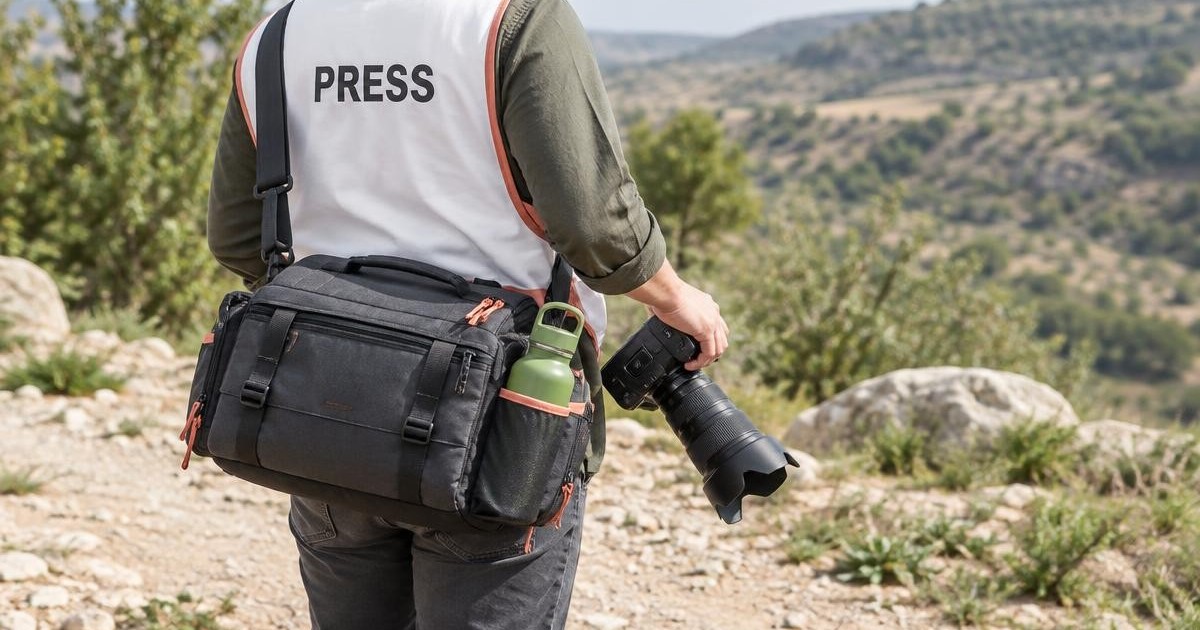
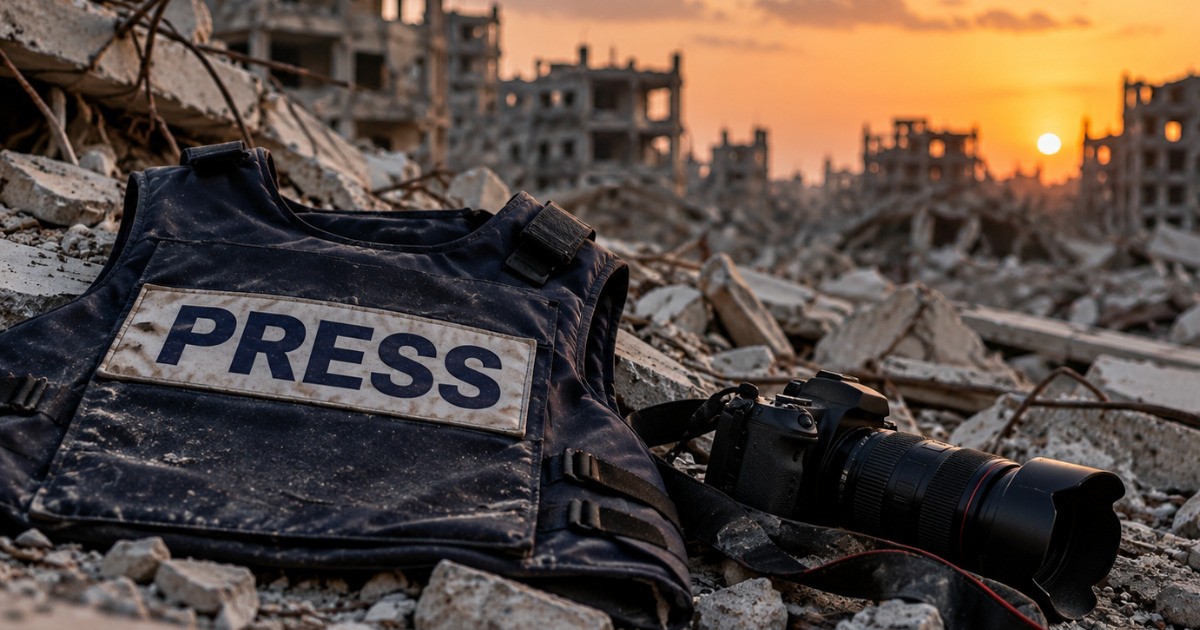
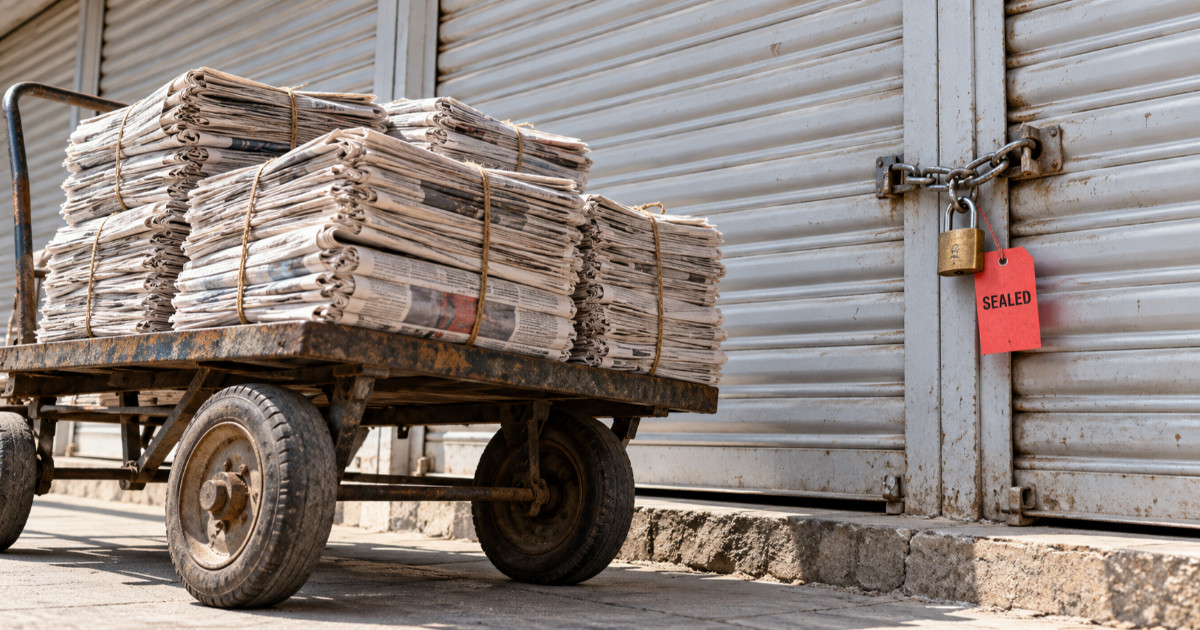
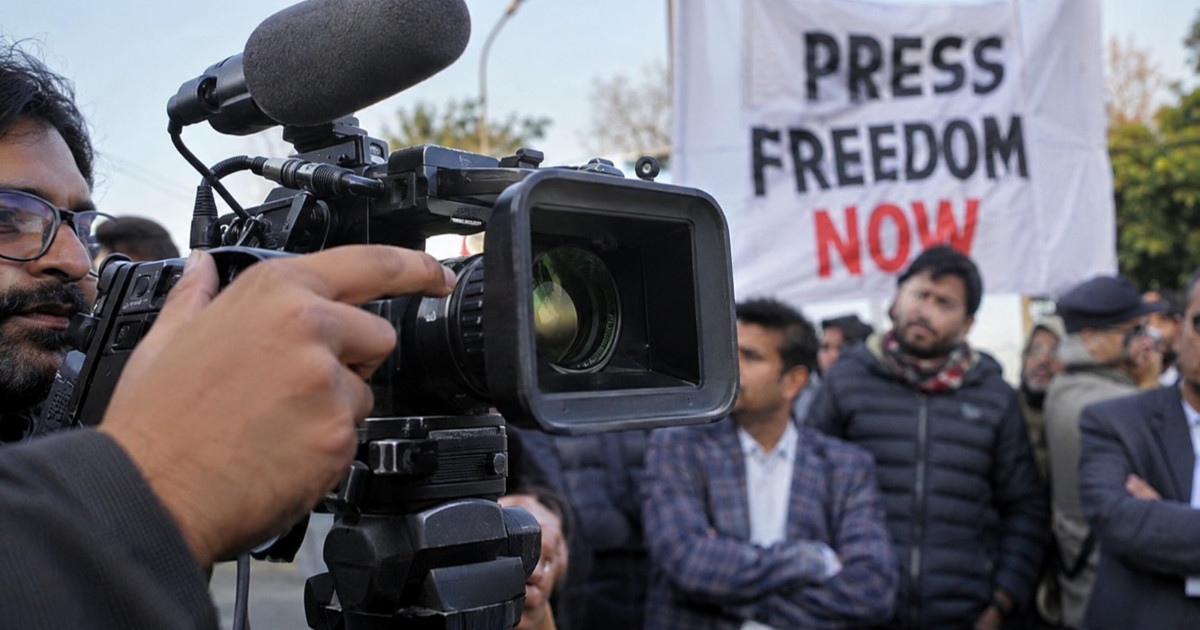
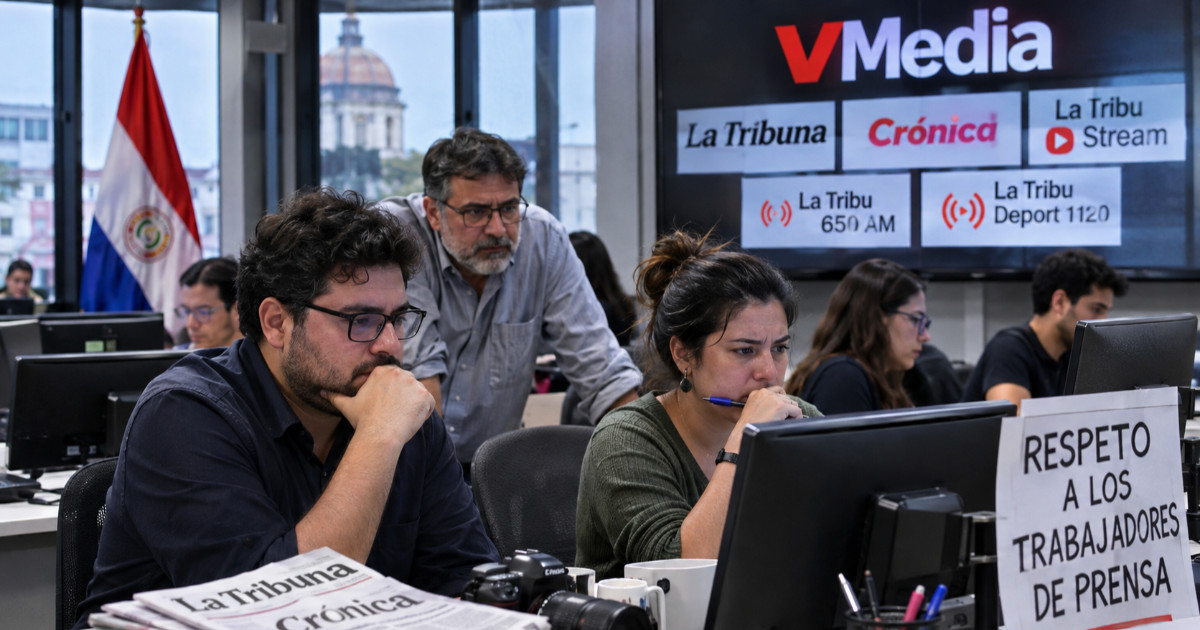
PHOTO: AI-generated; for illustrative purposes only.
Key Points
- Mohammed Awad, an AFP video journalist, was detained at his home near Beitunia/Ramallah on Aug 12.
- Witnesses said soldiers blindfolded and handcuffed Awad before taking him into custody.
- The Palestinian Prisoners' Society reported 40 Palestinian journalists are currently held by Israel.
- The Committee to Protect Journalists recorded 108 journalist and media-worker arrests since Oct 7, 2023, as of June 3, 2026.
- Figures on journalists detained vary between organizations and highlight tensions shaping reporting in the occupied West Bank.
Key Questions & Answers
Who is Mohammed Awad?
Mohammed Awad is a 38-year-old video journalist who worked for Agence France-Presse and was detained at his home near Ramallah.
When and how was he detained?
According to his wife, Israeli forces took him from his home on Aug 12, blindfolded and handcuffed him before removing him.
How many Palestinian journalists are reported detained?
The Palestinian Prisoners' Society reported 40 journalists currently held, while the Committee to Protect Journalists documented 108 arrests since Oct 7, 2023, as of June 3, 2026.
Why do the numbers differ between groups?
Different organizations use varying criteria, timeframes and verification methods, so their tallies of detained or arrested journalists can differ.
Ask AI: Understand this story your way
AI EnabledDig deeper, ask anything — get instant context, background, and clarity.
Disclaimer: This feature is powered by AI and is intended to help readers explore and understand news stories more easily. While we strive for accuracy, AI-generated responses may occasionally be incomplete or reflect limitations in the underlying model. This feature does not represent the editorial views of JournalismPakistan. For our full, verified reporting, please refer to the original article.