
A media gone berserk
JournalismPakistan.com | Published: 24 December 2014 | Aamir Saeed
Join our WhatsApp channel
This article critiques the Pakistani media's handling of sensitive events, highlighting the trauma inflicted on citizens through irresponsible coverage. It calls for better training and ethical standards in journalism.Summary
Everybody knows the media's job is to inform, educate and entertain people but what if it starts endangering and traumatizing lives of the citizens. Yes, it happens in Pakistan quite often where media especially electronic is still immature and irresponsible to the core.
The country’s electronic media virtually went berserk shortly after the massacre of 132 children in an army-run school in Peshawar on December 16 by the Taliban. The incident was, indeed, horrific and shocking. The coverage of the ensuing details, however, made many to raise questions about maturity and responsibility of the media.
The hyperactive reporters stationed at Lady Reading Hospital and the Army Public School in Peshawar seemed to be in a race to talk to the juvenile survivors and their family members to know about “their experience.” Blood and bodies were splashed on television screens without any remorse and shame.
As if this wasn’t enough, the television channels started flashing breaking-news about the number of prisoners on death-row in different jails across the country shortly after Prime Minister Nawaz Sharif announced to lift moratorium on death penalty on December 17. A strong sense of déjà vu was quite palpable over almost all television screens and this was simply disgusting and traumatizing.
So much so, the newscasters emerged on the screens with graphics depicting terrorists, jails and gallows in their backgrounds. The viewers were also enlightened about background of the condemned prisoners and their affiliations with different terrorist outfits operating across Pakistan.
In fact, the channels, knowingly or unknowingly, started glorifying the militants through their so-called “exclusive coverage.” This is, unfortunately, not the first time that our immature and irresponsible media has tried its best to traumatize lives of the people by showing explicit and graphic footage of the terrorists and victims of the carnage.
Obviously, the information about number of death-row prisoners languishing in different jails and security personnel deployed there to guard them isn’t in any way helpful to the viewers. But this may be helpful for terrorists and militants to plan an attack on a jail to get their comrades freed.
Indeed, the media managers conveniently ignore any possible repercussions of the irresponsible coverage when it comes to ratings and sensationalism. Remember, the Taliban have already vowed in a statement to avenge hanging of their comrades.
Pakistani media also conveniently ignores ethics and moral responsibility while covering incidents like terror attacks, bomb blasts, plane crashes and accidents just in a race to create more sensationalism. The media magnates, in fact, believe the media frenzy sells and it helps them increase their viewership and grab more ads.
Has any bureau chief or content manager of a television channel ever thought about the psychological impact of all these things they have been showing on their screens to their viewers especially children and youth? Why would they when there is no check and balance on them.
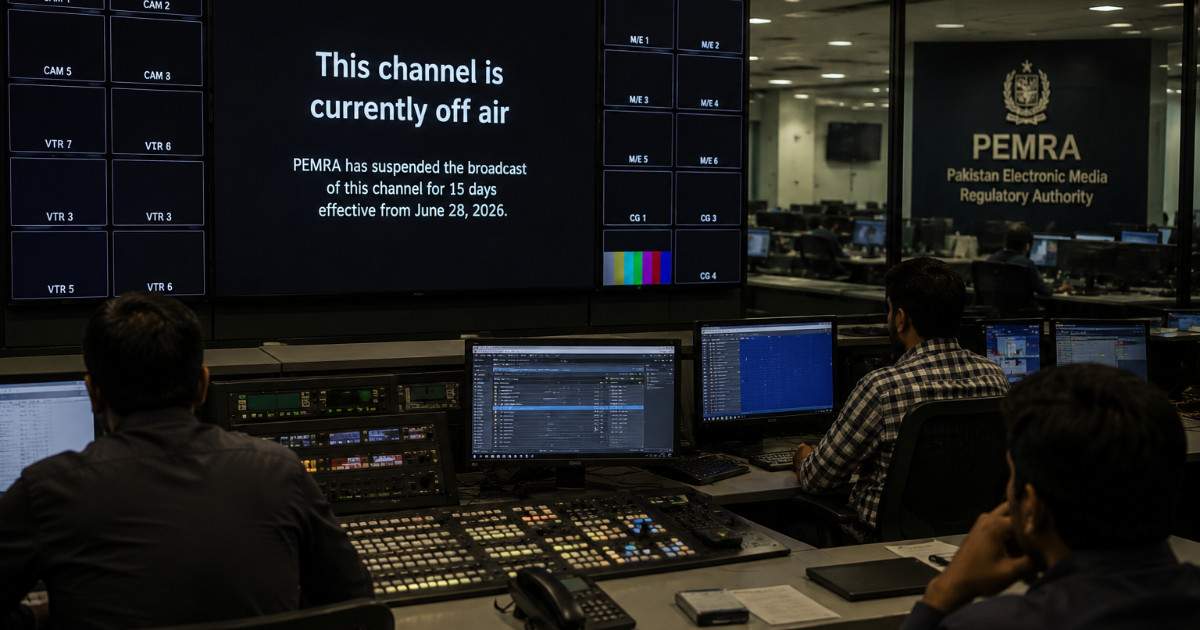
Ironically, Pakistan Electronic Media Regulatory Authority (PEMRA) Ordinance 2002 clearly prohibits broadcast of any such content that “is likely to create hatred among the people or is prejudicial to the maintenance of law and order or is likely to disturb public peace and tranquility or endangers national security.” Thanks to the successive governments, PEMRA has totally been reduced to an impotent body.
We can only hope the media managers would adopt the effective learning method of trial and error to come of age. Though, there is little hope; so long as the ill-trained reporters, content managers, bureau chiefs, newscasters and anchorpersons are replaced with experienced ones.
Or, they are trained by international media organizations to handle critical situations like carnage, bomb blasts and even natural disasters like floods and earthquakes. (The writer is a journalist based in Islamabad. His twitter handle is @AamirSaeed_ )
Key Points
- Media coverage after the Peshawar school massacre was traumatic and sensational.
- Reporters displayed insensitivity by seeking out survivors for interviews.
- Irresponsible reporting may aid terrorists in planning attacks.
- PEMRA regulations are often ignored, leading to chaos in media practices.
- The need for trained journalists to handle sensitive situations is emphasized.
Relevant Topics
Ask AI: Understand this story your way
AI EnabledDig deeper, ask anything — get instant context, background, and clarity.
Disclaimer: This feature is powered by AI and is intended to help readers explore and understand news stories more easily. While we strive for accuracy, AI-generated responses may occasionally be incomplete or reflect limitations in the underlying model. This feature does not represent the editorial views of JournalismPakistan. For our full, verified reporting, please refer to the original article.