
Blair says he ducked fight with UK media
JournalismPakistan.com | Published: 29 May 2012
Join our WhatsApp channel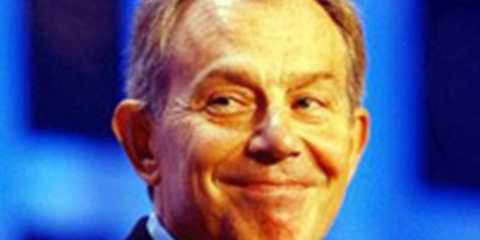
Former UK Prime Minister Tony Blair told the Leveson inquiry he avoided confronting powerful media owners while in office. He said a direct fight with press barons could have consumed his government and offered no guarantee of success.Summary
LONDON—Former Prime Minister Tony Blair said Monday that he couldn't stand up to the Britain's media tycoons while in power, telling an official media ethics inquiry that doing so could have dragged his administration into a political quagmire.
Blair's testimony, briefly interrupted by a heckler who burst into the courtroom to call him a war criminal, shed light on the canny media strategy used to create the "New Labour" image that repackaged his party as more mainstream and business-friendly, bringing it back to power after 18 years in opposition.
Blair, who was premier from 1997 to 2007, enjoyed strong press support in his early years, including backing from media mogul Rupert Murdoch's influential newspapers. But he found himself isolated near the end of his decade in power due in large part to his unpopular decision to join the US-led invasion of Iraq.
The greying ex-prime minister said he long had concerns about what he once described as the "feral beasts" of the media but had to tread carefully where press barons were concerned. "I took a strategic decision to manage these people, not confront them," he told Lord Justice Brian Leveson, who is leading the inquiry.
"I didn't say that I feared them ... (but) had you decided to confront them, everything would have been pushed to the side.
It would have been a huge battle with no guarantee of winning." Leveson's inquiry was set up following revelations of phone hacking at Murdoch's News of the World tabloid, a scandal which has rocked the British establishment and raised questions about whether top politicians helped shield Murdoch — and the media in general — from official scrutiny.—AP
Key Points
- Blair said he decided to manage the media rather than confront it while in power.
- He testified before Lord Justice Brian Leveson at the UK media ethics inquiry.
- Blair described concerns about aggressive press behavior but said confrontation risked a major political battle.
- His early years in office included support from Rupert Murdoch’s newspapers, which later waned.
- The inquiry followed revelations of phone hacking at News of the World.
Relevant Topics
Ask AI: Understand this story your way
AI EnabledDig deeper, ask anything — get instant context, background, and clarity.
Disclaimer: This feature is powered by AI and is intended to help readers explore and understand news stories more easily. While we strive for accuracy, AI-generated responses may occasionally be incomplete or reflect limitations in the underlying model. This feature does not represent the editorial views of JournalismPakistan. For our full, verified reporting, please refer to the original article.