
Journalists covering Iran face restrictions, harassment, and surveillance
JournalismPakistan.com | Published: 24 May 2018
Join our WhatsApp channel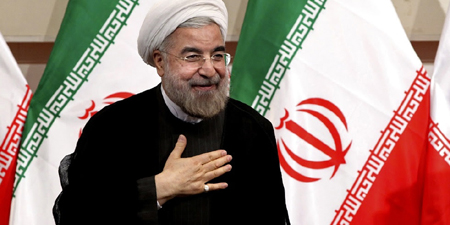
A recent CPJ report reveals dire conditions for journalists in Iran as they face harassment and strict surveillance. Despite technological advances, political pressures threaten their work.Summary
BRUSSELS - Despite promises of reform by Iranian President Hassan Rouhani, little has changed for the press, as hardliners in the judiciary and other powerful institutions jail journalists, block websites, and maintain a climate of fear through harassment and surveillance, the Committee to Protect Journalists found in its report, “On the table: Why now is the time to sway Rouhani to meet his promises for press freedom in Iran,” released on Thursday.
The report finds that increases in smartphone use, internet bandwidth, and apps such as Telegram allowed journalists to push back against sensitive issues and share important stories. However, these efforts are met with increasing political pressure for regulation, and journalists using the platforms are at risk of surveillance. The current international focus on Iran and its economic ties with Europe could represent an opening to engage on press freedom and other lapsed human rights.
“The ongoing, systematic threats journalists face covering Iran must be addressed if the country is serious about improving its record,” said CPJ Middle East and North Africa Program Coordinator Sherif Mansour. “President Rouhani needs to be held to the press freedom commitments he made, and these fundamental rights should be a priority as the international community negotiates with Iran.”
Journalists in Iran are still recovering from a government crackdown after the disputed 2009 election, during which CPJ documented 52 journalists jailed in retaliation for their work. At the time of CPJ’s last prison census, the number behind bars in Iran was the lowest in a decade, but journalists say the figure belies the reality that those reporting critically still face harassment and intimidation, the report finds.
The report was produced by CPJ Iran Consultant Hanif Zarrabi-Kashani and Mansour. The report includes recommendations to Iran’s government, EU and U.S. policy-makers, Telegram and other tech companies.
CPJ will mark the launch of the report with a panel discussion hosted by MEP Marietje Schaake (ALDE), in Brussels, Belgium. Speakers include CPJ’s Mansour and Mahsa Alimardani, Article 19 researcher for freedom of expression and digital rights in Iran. - A CPJ press release
KEY POINTS:
- Iranian journalists face increased restrictions and surveillance.
- The CPJ report emphasizes the need for reform by President Rouhani.
- Ongoing harassment creates a climate of fear for reporters.
- International focus on Iran may open discussions on press freedom.
- The report includes recommendations for Iranian authorities and global policymakers.