
Thailand tightens visa rules for foreign journalists
JournalismPakistan.com | Published: 22 February 2016
Join our WhatsApp channel
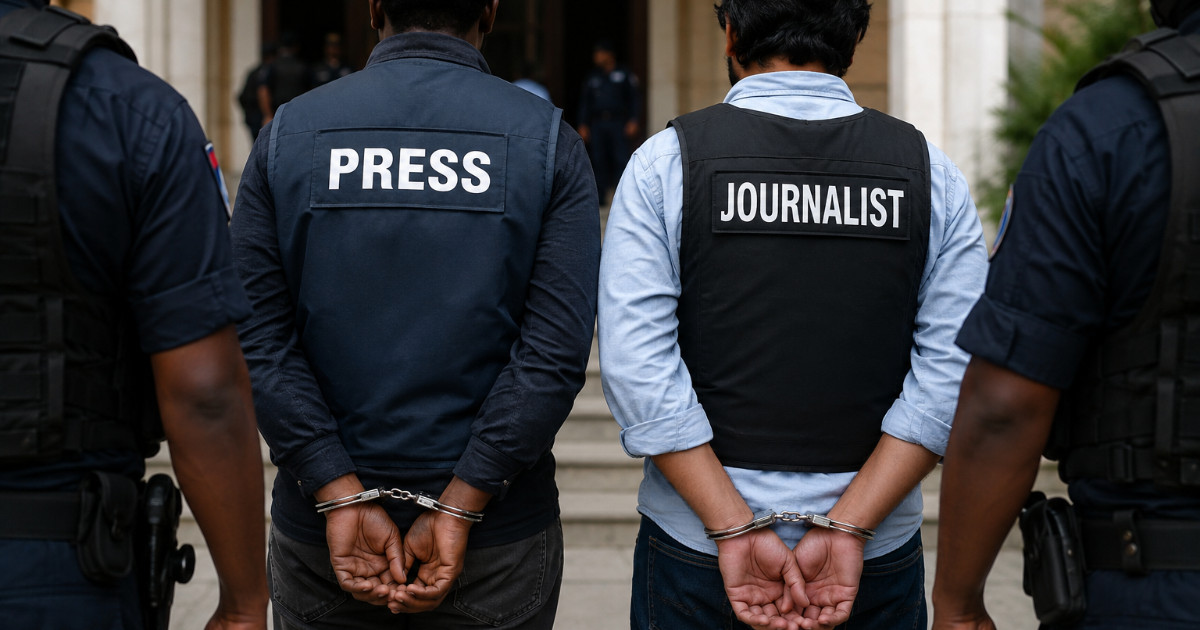
The new visa guidelines for foreign journalists in Thailand have been criticized by the IFJ, highlighting concerns about media freedom. Authorities will gain discretionary powers to deny visas based on perceived disruptions to public order.Summary
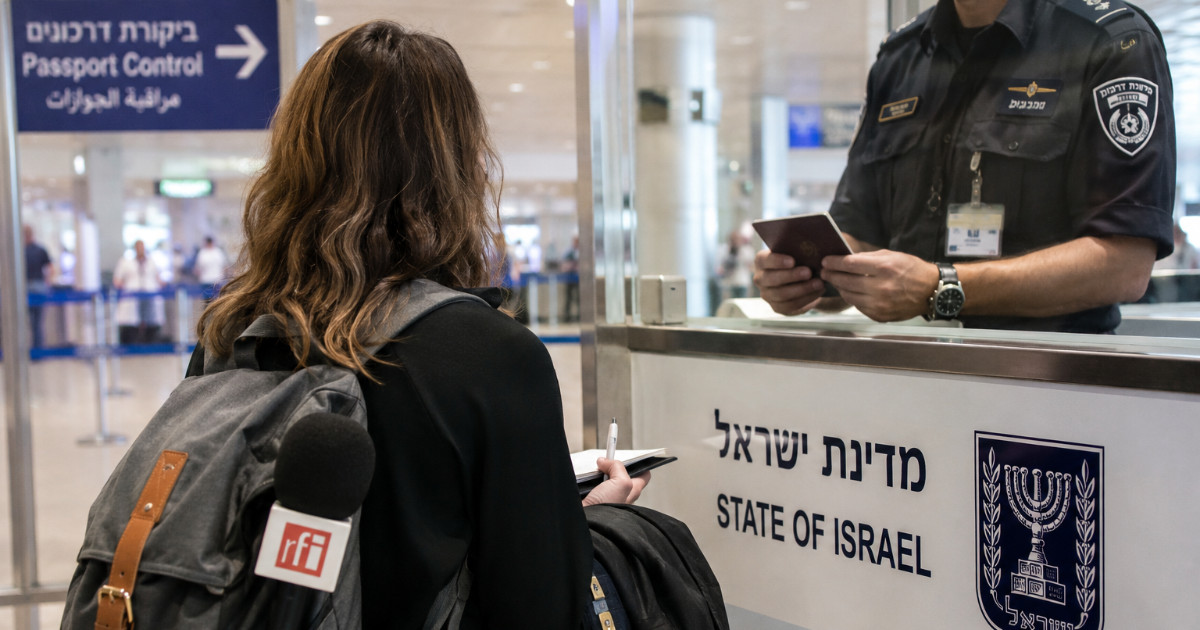
The International Federation of Journalists (IFJ) has strongly criticised the new guidelines for Thai media (M) visas for foreign journalists released by the Ministry of Foreign Affairs on Thursday, February 18. The IFJ called on the Thai military government to revise the guidelines and guarantee media freedom in the country. The Thai Ministry of Foreign Affairs issued a press statement announcing new guidelines for issuing media visas for foreign journalists and media correspondents applying to work in Thailand for more than three months.
According to the Foreign Correspondents’ Club of Thailand, under the revisions some journalists who have received M visas in the past may not be issued the same visas in the future, and will be asked to apply for different visas. Under the revisions, which will be implemented on March 21, authorities will have new discretionary powers to deny visas to journalists whose work or behavior is deemed as "constituting any disruption to public order or to the security of the kingdom." The new guidelines come as part of wider crackdown on media freedom in Thailand. On January 29, the Constitution Drafting Committee released the draft constitution for public comment. According to reports, the current draft sets minimal provisions for media freedom and free expressions. SEAPA highlighted a number of key concerns within the draft Constitution, noting less editorial independence and that the state and the existing National Broadcasting and Telecommunication Commission (NBTC) will direct and control the distribution of broadcast frequencies, among other concerns. The Foreign Correspondent’s Club of Thailand (FCCT) voiced its concern for the new guidelines, noting that Thailand has long been a media hub for the region, and foreign journalists based in Bangkok have contributed to a better global understanding of the Asia-Pacific region. The FCCT said: “We urge the Thai authorities to interpret the guidelines in a way that enables all bona fide journalists to be properly accredited and report freely and fairly.” The IFJ said: “The new guidelines for media visas in Thailand are part of a larger attempt by the military government to control and suppress media freedom. Journalists and media workers in Thailand are faced by increasingly difficult circumstances, often not aware of their legal rights, and facing risks of defamation through the misuse of laws. Immediate action needs to be taken by the military government to support and promote media freedom.” - IFJ media release
Related posts from JournalismPakistan.com Archives:
Journalist arrested in Thailand for carrying safety vest
Journalists charged with defaming Thailand's navy
Key Points
- New visa guidelines issued by Thailand's Ministry of Foreign Affairs.
- IFJ criticizes the new rules as a threat to media freedom.
- Implementing new discretionary powers for visa approvals from March 21.
- Concerns raised about minimal provisions for media freedom in the draft constitution.
- FCCT urges authorities to support fair accreditation for journalists.
Relevant Topics
Ask AI: Understand this story your way
AI EnabledDig deeper, ask anything — get instant context, background, and clarity.
Disclaimer: This feature is powered by AI and is intended to help readers explore and understand news stories more easily. While we strive for accuracy, AI-generated responses may occasionally be incomplete or reflect limitations in the underlying model. This feature does not represent the editorial views of JournalismPakistan. For our full, verified reporting, please refer to the original article.