
AFP journalists in Türkiye win strike after pay dispute Why are media companies laying off journalists? Messi's farewell, Yamal's rise: Spain conquer Argentina in World Cup final Pakistan Media Monitor | Edition 4 | July 7-20, 2026 JP analysis: Legal pressure on journalists grows worldwide What is prior restraint in journalism and media law? Press freedom review: Governments tighten the screws on journalists China warns of retaliation over new US journalist visa limits Thailand urged to halt deportation of Chinese journalist Delhi HC warns press freedom is not a shield for irresponsible reporting Journalists question closed-door fuel price briefing None came before him, none will come after him: Farewell, Sir Garfield Sobers The JournalismPakistan Global Media Brief | Edition 29 | July 17, 2026 US tightens visa rules for foreign journalists Judge rejects bid to halt Paramount-Warner Bros. merger AFP journalists in Türkiye win strike after pay dispute Why are media companies laying off journalists? Messi's farewell, Yamal's rise: Spain conquer Argentina in World Cup final Pakistan Media Monitor | Edition 4 | July 7-20, 2026 JP analysis: Legal pressure on journalists grows worldwide What is prior restraint in journalism and media law? Press freedom review: Governments tighten the screws on journalists China warns of retaliation over new US journalist visa limits Thailand urged to halt deportation of Chinese journalist Delhi HC warns press freedom is not a shield for irresponsible reporting Journalists question closed-door fuel price briefing None came before him, none will come after him: Farewell, Sir Garfield Sobers The JournalismPakistan Global Media Brief | Edition 29 | July 17, 2026 US tightens visa rules for foreign journalists Judge rejects bid to halt Paramount-Warner Bros. merger
Logo
Janu
Women in Media

Thai media decide junta chief no laughing matter

 JournalismPakistan.com |  Published: 29 December 2015

Join our WhatsApp channel
Thai media decide junta chief no laughing matter
Thai political journalists have chosen not to create satirical nicknames for the junta this year, citing serious political circumstances. This decision highlights the growing self-censorship since the military coup in 2014 and reflects the challenges faced by the media in expressing dissent.

BANGKOK - Every New Year Thailand's top political journalists traditionally come up with satirical nicknames for the government and senior ministers. But this year they will forego the pleasure, having decided the junta is no laughing matter. The occasion is usually a rare moment of light relief for reporters covering the febrile world of Thai politics, in a country which has witnessed a string of military coups, violent street protests and toppled governments - and where defamation is a criminal offence. But this year, in a statement, the Government House press corps said they were opting to stay mum because "the cabinet of [Prime Minister] General Prayut Chan-O-Cha came into power by special way, not by the normal election under the democratic system". The statement added that it was normal for the press corps to take such steps with coup governments, or during times of political upheaval. "We also do not want the 2015 skipping of the nicknaming to be used to expand existing conflicts in Thai society or to be used as a political tool by any groups or individuals," the statement read. However the decision is illustrative of an increased need for self-censorship since the military took over. Former army chief Prayut seized power in May 2014 toppling the democratically elected government of Yingluck Shinawatra after months of debilitating street protests against her administration, fuelled by support from Bangkok's pro-military, royalist elite and middle classes. Prayut has since stifled dissent, jailing or summoning critics and ramping up use of the country's draconian lese majeste law. Yingluck's administration was one year dubbed the "Floundering Crab" government by journalists, a pun on her personal nickname "Bpoo", which means crab in Thai. Prayut is known for his off-the-cuff remarks, particularly when dealing with the media. He famously threw a banana peel at one reporter and stroked another on the head. Both incidences he wrote off as the result of his zany sense of humour and friendly demeanour. He also referred to executing critical journalists, a comment he insisted was a joke once headlines went viral. At a speech earlier this month, Prayut complained that he felt unable to be himself because the Thai media didn't understand his jokes. "This has been a year where I cannot make jokes because the media will just turn it into a news story," he said. It seems Thai journalists know how he feels. - AFP

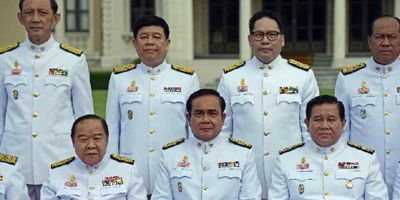
Photo caption: Prime Minister General Prayut Chan-O-Cha (C) is known for his off-the-cuff remarks, particularly when dealing with the media - he famously threw a banana peel at one reporter and stroked another on the head. - AFP Photo/Christophe Archambault

Key Points

  • Thai journalists traditionally create satirical nicknames for government officials.
  • This year, they decided against it due to the seriousness of the junta's rule.
  • Self-censorship has increased since the military coup in 2014.
  • Prayut Chan-O-Cha's government came to power through non-democratic means.
  • Former Prime Minister Yingluck Shinawatra's government faced intense scrutiny and nicknaming.

Ask AI: Understand this story your way

AI Enabled

Dig deeper, ask anything — get instant context, background, and clarity.

Not sure what to choose? Try one of these.

The AI generates results based on your selected options
Your AI-generated results will appear here after you click the button.

Disclaimer: This feature is powered by AI and is intended to help readers explore and understand news stories more easily. While we strive for accuracy, AI-generated responses may occasionally be incomplete or reflect limitations in the underlying model. This feature does not represent the editorial views of JournalismPakistan. For our full, verified reporting, please refer to the original article.
Read Next

Pakistan Media Monitor | Edition 4 | July 7-20, 2026

Pakistan Media Monitor | Edition 4 | July 7-20, 2026

 July 20, 2026: During July 7-20, 2026 Pakistan's media faced legal action against journalists, expanded broadcast regulations, newsroom layoffs and surveillance concerns, revealing growing regulatory, economic and technological pressures on journalism.

CPJ urges Pakistan to lift Geo News suspension

CPJ urges Pakistan to lift Geo News suspension

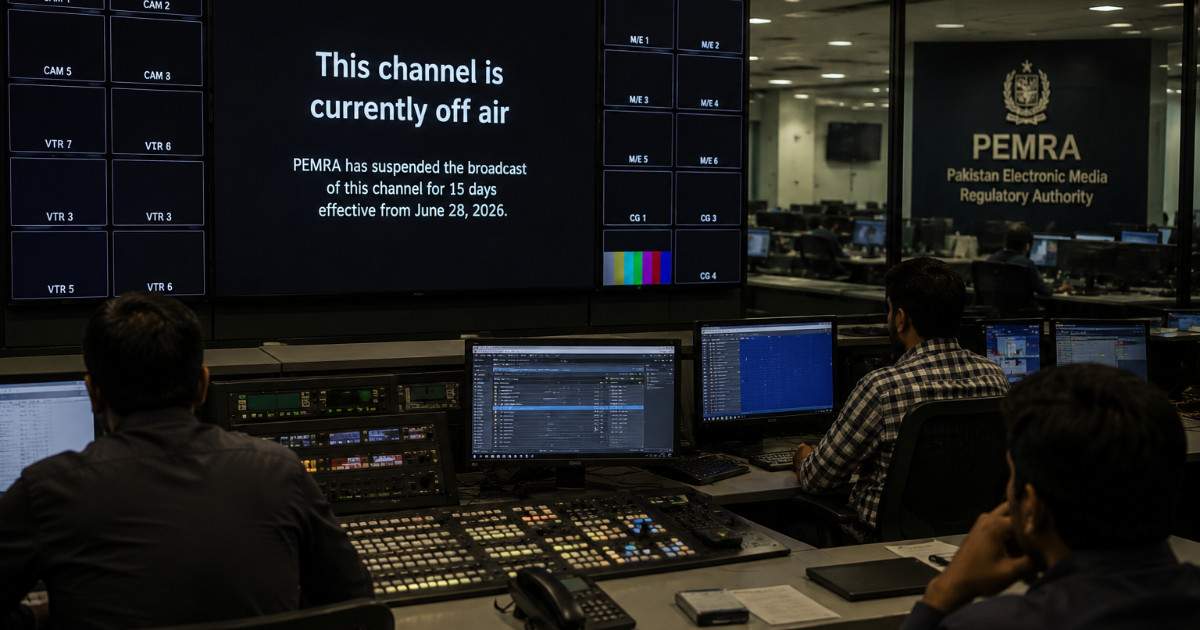
 July 02, 2026: CPJ urged Pakistan to reverse PEMRA's 15-day suspension of Geo News' broadcast license, calling it a dangerous escalation of official interference with independent media.

Newsroom
AFP journalists in Türkiye win strike after pay dispute

AFP journalists in Türkiye win strike after pay dispute

 July 21, 2026 AFP journalists in Türkiye ended a 12-day strike after securing a labor agreement with a 27% wage increase, a month's bonus, €2,500 and enhanced allowances.


Why are media companies laying off journalists?

Why are media companies laying off journalists?

 July 21, 2026 Media companies are laying off journalists as advertising income falls, audiences shift to digital platforms, costs rise, and AI plus new business models reshape newsroom economics.


Messi's farewell, Yamal's rise: Spain conquer Argentina in World Cup final

Messi's farewell, Yamal's rise: Spain conquer Argentina in World Cup final

 July 20, 2026 Spain defeated Argentina in a dramatic World Cup final as Ferran Torres' extra-time volley sealed victory, capping Messi's farewell and Yamal's rise.


JP analysis: Legal pressure on journalists grows worldwide

JP analysis: Legal pressure on journalists grows worldwide

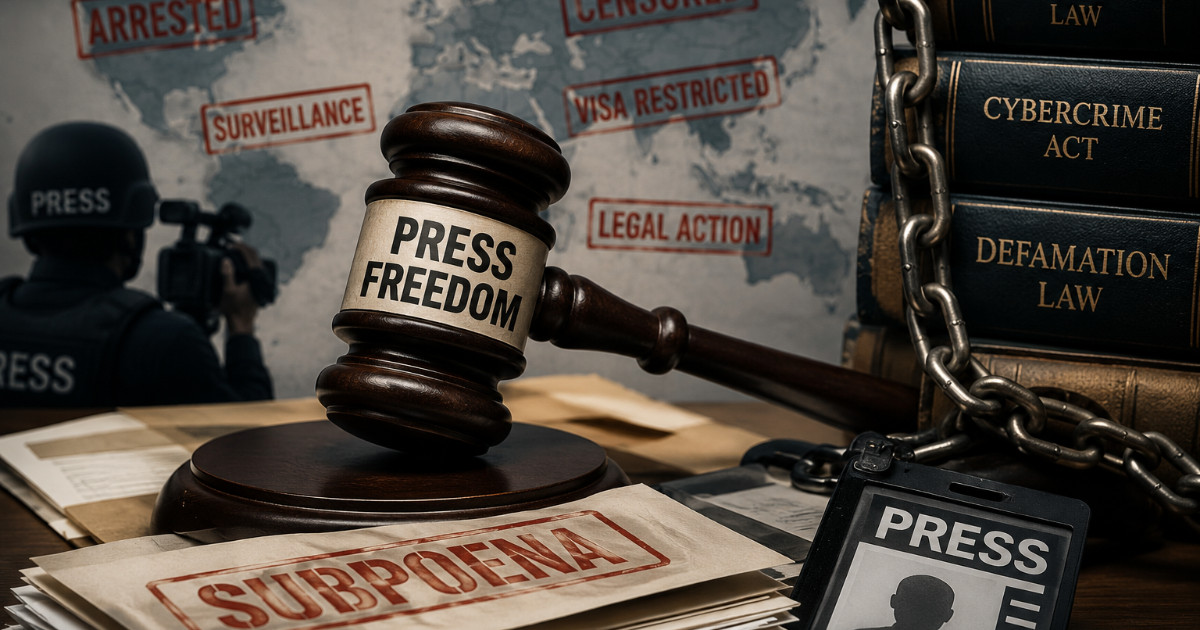
 July 19, 2026 JournalismPakistan finds governments increasingly using courts, surveillance, visa limits and regulation instead of overt bans to pressure journalists.


What is prior restraint in journalism and media law?

What is prior restraint in journalism and media law?

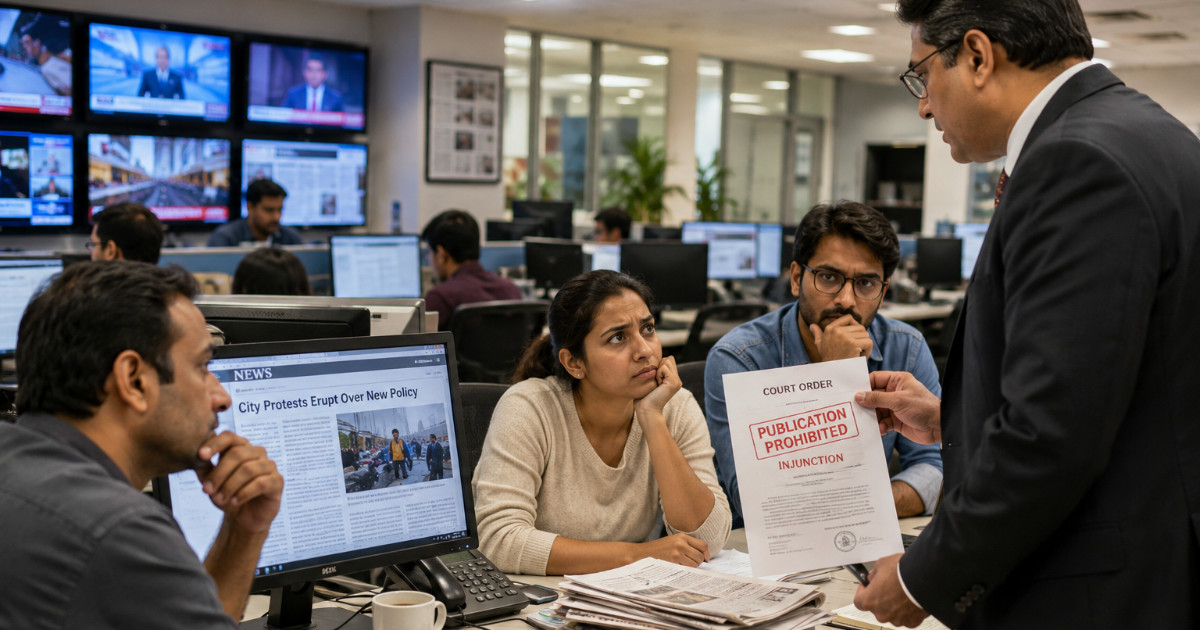
 July 19, 2026 Prior restraint is government action that stops publication or broadcast before it reaches the public, creating tensions between press freedom and security.


Popular Stories