
Pakistan impunity rating increasing: IFJ
JournalismPakistan.com | Published: 3 May 2013
Join our WhatsApp channel
The IFJ report indicates a worsening environment for journalists in Pakistan, noting increased impunity and ongoing challenges in working conditions. Released on World Press Freedom Day, it outlines the broader South Asian context affecting media professionals.Summary
Pakistan’s status as a frontline state in a global conflict continues to deepen ethnic and sectarian fractures and the past 12 months have seen a further deterioration in the safety environment for journalists, says a report on South Asia launched by the International Federation of Journalists (IFJ) on the occasion of World Press Freedom Day, 2013.
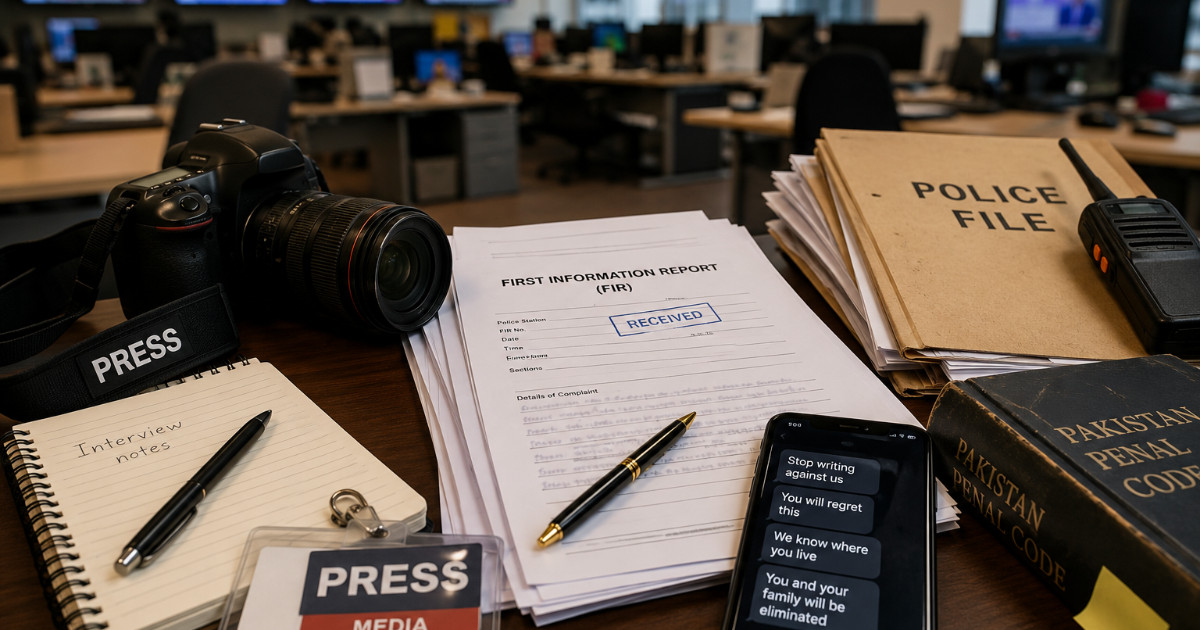
Pakistan has had its impunity rating increasing rapidly and without break for the last four years, says the report titled ‘Building Resistance, Organizing for Change.’
Journalists still struggle for fair wages and decent working conditions. In India, Pakistan, Bangladesh and Nepal principally, established laws on the protection of living standards are being breached with little consequence. In other countries such as Sri Lanka, the Maldives and Afghanistan, the struggle is underway for securing protections under the law for the wages and working conditions of the media community.
The report launched in collaboration with UNESCO, is the 11th in an annual series that reviews all developments that have a bearing on media freedom and quality journalism in the region.
The IFJ report seeks to bring into sharp focus the diverse experiences of media practitioners in the South Asian region. Over the year under review, these have ranged from the continuing threat of legal action and the growing menace of physical violence, to the challenges posed by new forms of inter-personal communication and engagement with the media and the defense of the traditional values of the craft.
Key Points
- Pakistan's impunity rating for journalists has worsened over the past four years.
- Fair wages and decent working conditions remain elusive for many journalists.
- The IFJ report was launched in collaboration with UNESCO on World Press Freedom Day.
- Media practitioners face threats from legal actions and physical violence.
- The report reviews developments affecting media freedom across South Asia.
Relevant Topics
Ask AI: Understand this story your way
AI EnabledDig deeper, ask anything — get instant context, background, and clarity.
Disclaimer: This feature is powered by AI and is intended to help readers explore and understand news stories more easily. While we strive for accuracy, AI-generated responses may occasionally be incomplete or reflect limitations in the underlying model. This feature does not represent the editorial views of JournalismPakistan. For our full, verified reporting, please refer to the original article.