
Mufti Muneeb, Maulana Farooqi refuse to appear in Gharidah Farooqi's show
JournalismPakistan.com | Published: 2 November 2021 | JP Staff Report
Join our WhatsApp channel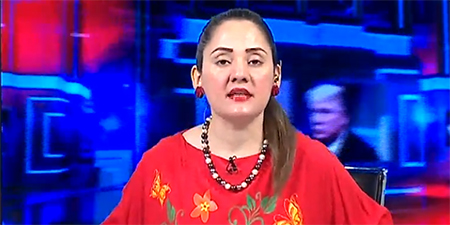
Two prominent clerics, Mufti Muneeb and Maulana Farooqi, declined an invitation to a TV show hosted by Gharidah Farooqi. Their refusal has sparked a significant debate on social media about gender roles and religious perspectives in Pakistan.Summary
ISLAMABAD — A controversy has emerged after two prominent religious figures declined to participate in a television program hosted by journalist and anchorperson Gharidah Farooqi.
Former Ruet-e-Hilal Committee Chairman Mufti Muneeb-ur-Rehman and Sailani Welfare Trust head Maulana Bashir Farooqi were invited to appear on Farooqi’s current affairs show to answer questions on pressing issues. However, both refused the invitation, citing their stance against speaking to women or giving interviews to female hosts.
Gharida Farooqi herself disclosed the matter in a post on Twitter, stating:
“Mufti Muneeb and Maulana Bashir were invited to my TV program for giving answers to questions. But both religious leaders refused, saying that neither we talk to women nor we give interviews to them.”
The decision by the two clerics has sparked widespread debate on social media. Supporters of the anchor criticized the refusal as discriminatory and regressive, highlighting the importance of women’s participation in media and public discourse. Others defended the clerics’ stance, arguing that it was consistent with their religious values.
This development comes at a time when women journalists in Pakistan continue to face challenges ranging from online harassment to systemic exclusion in media spaces. Gharidah Farooqi, known for her outspoken journalism and bold questioning, has often been at the center of debates concerning gender equality in the media industry.
Observers note that such incidents highlight the persistent tension between traditional religious viewpoints and the evolving role of women in Pakistan’s media landscape.
Key Points
- Mufti Muneeb and Maulana Farooqi declined to appear on Gharidah Farooqi's show.
- Their refusal was based on their religious principles against speaking to women.
- Gharidah Farooqi shared the incident on Twitter, prompting public reactions.
- The response has sparked a debate on women's participation in media.
- This incident highlights ongoing tensions between traditional values and modern views.
Relevant Topics
Ask AI: Understand this story your way
AI EnabledDig deeper, ask anything — get instant context, background, and clarity.
Disclaimer: This feature is powered by AI and is intended to help readers explore and understand news stories more easily. While we strive for accuracy, AI-generated responses may occasionally be incomplete or reflect limitations in the underlying model. This feature does not represent the editorial views of JournalismPakistan. For our full, verified reporting, please refer to the original article.