
Hong Kong court weighs sentencing in Jimmy Lai security case UNESCO warns South Korea's fake news law risks press freedom Turkey honors journalists on Working Journalists’ Day Pakistan journalists face deepening welfare crisis, PFUJ-Workers warns Independent U.S. journalists reshape news ecosystem Venezuelan editors in exile join forces to report crisis RSF launches Iran media help desk for journalists Iran communications blackout deepens media repression, RSF warns The JournalismPakistan Global Media Brief | Edition 1 | January 2, 2026 now live Iran protest crackdown raises alarms for press freedom Hong Kong court weighs sentencing in Jimmy Lai security case UNESCO warns South Korea's fake news law risks press freedom Turkey honors journalists on Working Journalists’ Day Pakistan journalists face deepening welfare crisis, PFUJ-Workers warns Independent U.S. journalists reshape news ecosystem Venezuelan editors in exile join forces to report crisis RSF launches Iran media help desk for journalists Iran communications blackout deepens media repression, RSF warns The JournalismPakistan Global Media Brief | Edition 1 | January 2, 2026 now live Iran protest crackdown raises alarms for press freedom
Logo
Janu
World

Supreme Court grants bail to Mir Shakil-ur-Rehman

 JournalismPakistan.com |  Published: 9 November 2020

Join our WhatsApp channel
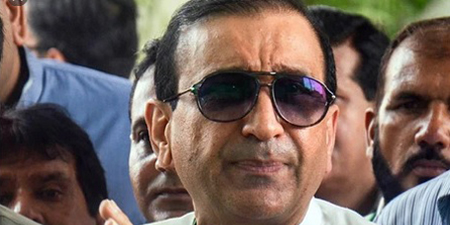
Supreme Court grants bail to Mir Shakil-ur-Rehman
The Supreme Court granted bail to Mir Shakil-ur-Rehman after over 200 days in detention. This case raises concerns regarding media freedom in Pakistan.

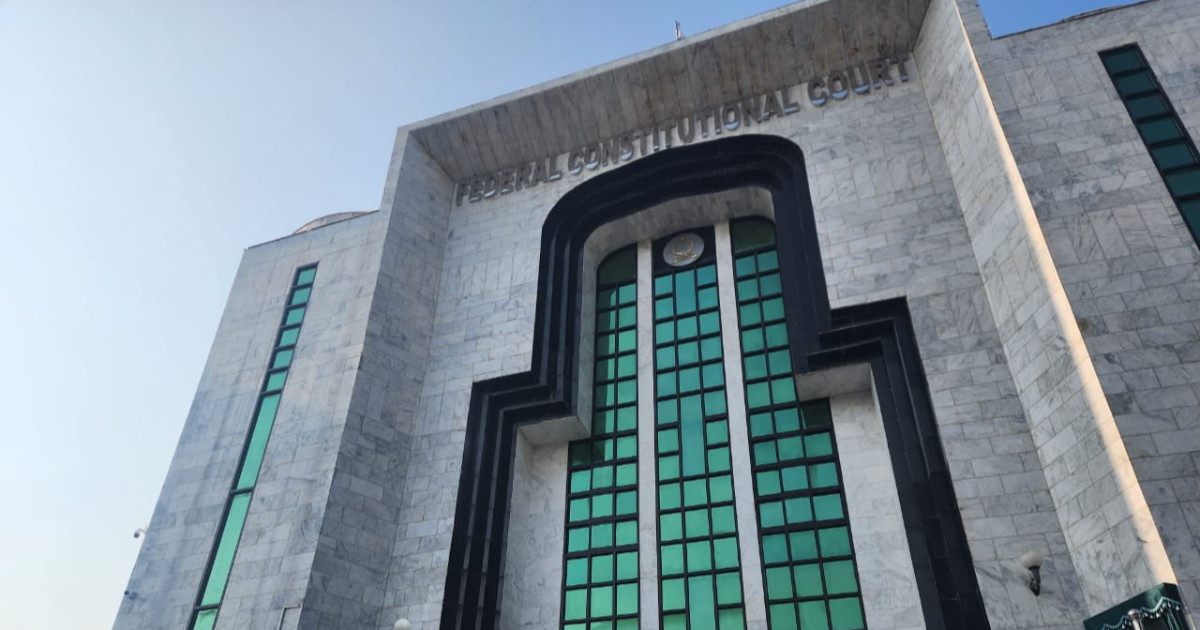
ISLAMABAD—The Supreme Court of Pakistan has granted bail to the owner of one of the country’s largest media groups, after a months-long detention condemned by rights groups as suppression of the press.

“The court has granted bail to Mir Shakil-ur-Rehman, he is going to be released after spending more than 200 days in detention”, Rana Jawad, Geo TV’s director of news, told AFP news agency on Monday.

Rehman’s Jang Group, which includes some of Pakistan’s biggest newspapers and the Geo Television Network, has frequently been critical of Prime Minister Imran Khan’s government as well as the country’s powerful military.

He was arrested in March over alleged corruption in a land transaction dating back to 1986, an accusation denied by his representatives who in turn alleged that Pakistan’s corruption watchdog targeted him because Rehman’s media group looked into the agency’s workings.

Last week, Reporters Without Borders (RSF) called on Pakistan’s Supreme Court to order Rehman’s release, saying he was being held on a “spurious charge.”

RSF added Rehman’s group was targeted because its journalists “dare to tackle stories that are supposed to be off-limits.”

Pakistan routinely ranks among the world’s most dangerous countries for media workers and criticism of the country’s powerful security establishment has long been seen as a red line.

Journalists and bloggers have complained of intimidation tactics, including kidnappings, beatings, and even killings if they cross that line.

Last month, a Geo journalist briefly went missing after reporting on the controversial arrest of an opposition politician.

Geo News, which has been critical of both the government and the army, has faced several brief broadcast suspensions.

In recent years, the space for dissent has shrunk further, with the government announcing a crackdown on social networks and traditional media houses decrying pressure from authorities, which they say has resulted in widespread self-censorship.—AFP/Photo: Geo.tv

KEY POINTS:

  • Supreme Court grants bail to media mogul Mir Shakil-ur-Rehman.
  • Rehman spent over 200 days in detention on corruption charges.
  • Rights groups condemned his arrest as suppression of press freedom.
  • Reporters Without Borders called the charges against him spurious.
  • Pakistan ranks among the most dangerous countries for media workers.
Dive Deeper

Newsroom
UNESCO warns South Korea's fake news law risks press freedom

UNESCO warns South Korea's fake news law risks press freedom

 January 12, 2026 UNESCO warns South Korea's new 'fake news' law uses vague definitions and broad enforcement powers that could erode press freedom and spur self-censorship.


Turkey honors journalists on Working Journalists' Day

Turkey honors journalists on Working Journalists' Day

 January 11, 2026 Turkey observed Working Journalists' Day on Jan. 10 with official tributes, praising reporters' work and press freedom amid concerns over media restrictions.


Independent U.S. journalists reshape news ecosystem

Independent U.S. journalists reshape news ecosystem

 January 10, 2026 Independent U.S. journalists are launching reader-funded newsletters and nonprofit outlets to sustain investigative and local reporting amid newsroom cuts.


Venezuelan editors in exile join forces to report crisis

Venezuelan editors in exile join forces to report crisis

 January 10, 2026 Exiled Venezuelan editors from Efecto Cocuyo, El Pitazo and others formed a collaborative network to report Venezuela's political crisis from abroad.


RSF launches Iran media help desk for journalists

RSF launches Iran media help desk for journalists

 January 10, 2026 RSF launches Iran help desk to provide VPNs, digital security, mirror-site support and emergency aid to journalists facing internet censorship.


Popular Stories