
Bangladesh editor admits publishing bogus stories fed by military
JournalismPakistan.com | Published 9 years ago
Join our WhatsApp channel
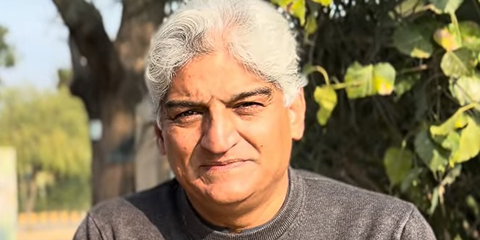
NEW DELHI - An editor of one of Bangladesh’s most respected newspapers has sparked an uproar by admitting that eight years ago, he published unsubstantiated reports alleging corruption by Prime Minister Sheikh Hasina, then in the opposition. He says the military fed him the information and pressured him to print it, but it’s the journalist who is feeling the heat more than the country’s long-powerful armed forces.
The admission by Editor Mahfuz Anam of the English-language Daily Star raises questions of whether the impoverished and politically fractious South Asian nation can escape the influence of its long-powerful military, which has taken over the country twice since Bangladesh gained independence in 1971.
The revelation “is significant to understand Bangladesh’s inner weaknesses in the governance system,” retired Maj. Gen. Abdur Rashid, now a political analyst, told The Associated Press. “The military is always powerful in Bangladesh, as they always have a role to play to decide the political course. Such important organs of the state are not always free from influence.”
Though Bangladesh is a democracy, the influence of its military is felt far and wide. It’s routinely utilized for big projects, including building bridges, expanding highways and preparing national identity cards and passports. It has frequently contributed to U.N. peacekeeping missions, raising its stature among Bangladeshis, many of whom believe that soldiers could fix even Dhaka’s notorious traffic congestion. Any public insult to the military is considered unthinkable.
His confession quickly prompted lawmakers in Hasina’s party to demand his paper be closed, with some filing police charges accusing Anam of sedition and defamation. But other editors have since said Anam was not the only one pressured by the military to report stories against political leaders without adequately vetting the allegations.
“We also published such reports, it’s not that Mahfuz Anam did it alone,” Bhorer Kagoj daily editor Shyamal Dutta said on another TV talk show. At the time, he said, editors felt that they had no choice but to go with the will of the military.
The military’s public relations office did not immediately respond to a written request for comment.
A former chief reporter at the Daily Star, Zayadul Ahsan Pintu, said one of their journalists was picked up by the military and tortured in custody while the military-installed government ruled. He later gained asylum in Sweden, which Anam helped negotiate. The Daily Star continued to publish unsubstantiated reports against Hasina and others after that arrest, Pintu said in a Feb. 14 essay published on the website of local TV station Cannel I.
Even now, the “time has not come yet to disclose everything,” Pintu said. “Our society or the state is not mentally ready yet to accept such things. It proves we are not mature enough (as a society) to accept that truth. It’s clear from my ex-editor’s slight revelation of truth.”
Only one newspaper, the New Age, and its editor Nurul Kabir has said he refused to crack under military pressure to publish reports from its intelligence wing. Kabir said that, on occasions, he had to sit across table from top military officials to discuss such reports over cups of tea.
The last era of military-backed rule ended in 2008, when political pressure led to the release of both Hasina and Zia. Hasina then led a political alliance to election victory, and has been the country’s prime minister ever since. - AP