
Pittsburgh Post-Gazette to cease publication May 3 New York Times lawsuit advances as Pentagon press access faces scrutiny Arab states rank among the world’s toughest for journalists Rights group raises alarm over Pakistan court verdicts Irish media groups warn Garda bill threatens reporter sources Semafor digital news startup raises $30 million NBCUniversal Winter Olympics ad inventory sells out early Media groups hold U.S. town hall on authoritarianism U.S. appeal revives debate on DHS force against journalists Knight-Bagehot Fellowship opens applications for 2026 Pittsburgh Post-Gazette to cease publication May 3 New York Times lawsuit advances as Pentagon press access faces scrutiny Arab states rank among the world’s toughest for journalists Rights group raises alarm over Pakistan court verdicts Irish media groups warn Garda bill threatens reporter sources Semafor digital news startup raises $30 million NBCUniversal Winter Olympics ad inventory sells out early Media groups hold U.S. town hall on authoritarianism U.S. appeal revives debate on DHS force against journalists Knight-Bagehot Fellowship opens applications for 2026
Logo
Janu
Journalism's silent partners

Breaking the monotony: Revamping subediting practices in journalism

 JournalismPakistan.com |  Published: 5 December 2013 |  Arsalan Altaf

Join our WhatsApp channel

Breaking the monotony: Revamping subediting practices in journalism
This article discusses the monotony in subediting practices within journalism and stresses the need for a creative approach. It highlights outdated writing practices and references George Orwell's rules for effective writing.

ISLAMABAD: Ever wonder why subediting becomes monotonous over a period of time? Well, that's because the subs get to edit and rewrite much the same stuff each day. Their creativity hardly comes into play. However, some of the world's top newspapers have shown newspaper reading and writing can be an interesting and educating experience. These papers, among other things, really care about their language. Talking locally, our editors and subs need to rethink their usage of sentences like, “Police arrested one Mohammad Aslam ... Disappearance of one Yasin Shah …,” and so forth. Using ‘one’ with the name of an unknown common man in news stories is an old-school practice some of our senior editors insist on. This does not read well. Seeing this construction in Dawn yesterday, I asked the Guardian style editors about it and here's what they said: "'One' with someone's name, eg "I had a tweet from one Arsalan Altaf, is at best patronising and at worst downright insulting." Asked whether we should avoid it, they said: "Unless you actually want to insult someone ('the chancellor, one George Osborne...')." So the editors better keep their sentences short and sweet, and not insult the people they write news about. Here are the six elementary rules of good writing from George Orwell’s 1946 essay on "Politics and the English Language": (i) Never use a metaphor, simile, or other figure of speech which you are used to seeing in print. (ii) Never use a long word where a short one will do. (iii) If it is possible to cut a word out, always cut it out. (iv) Never use the passive where you can use the active. (v) Never use a foreign phrase, a scientific word, or a jargon word if you can think of an everyday English equivalent. (vi) Break any of these rules sooner than say anything outright barbarous.

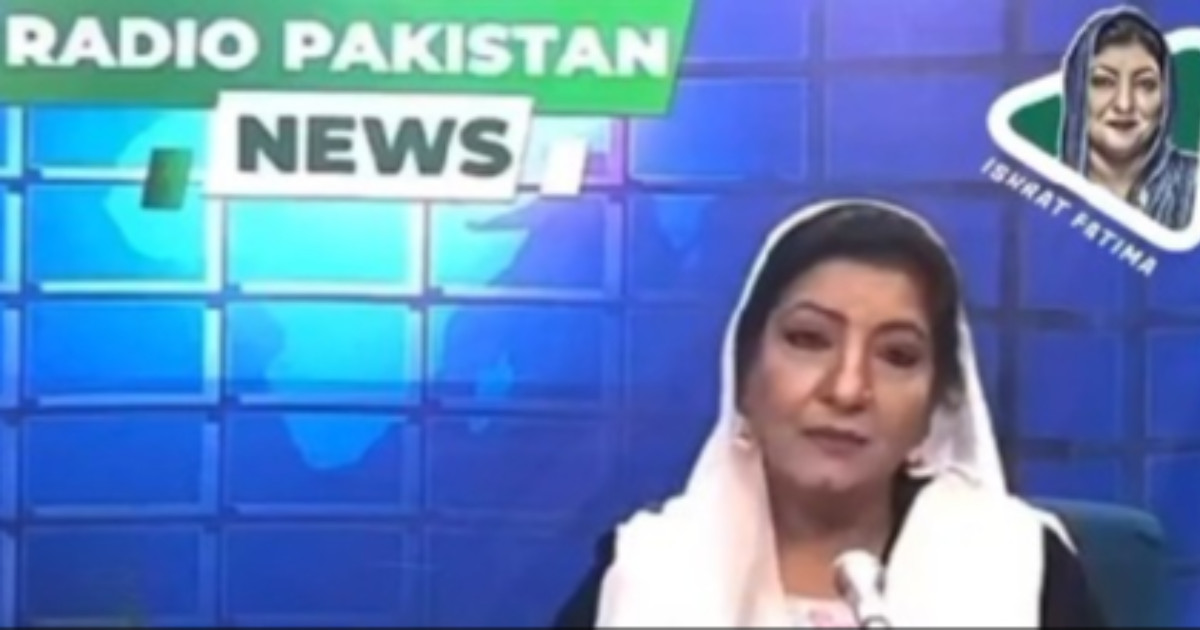
(The writer is a journalist based in Islamabad. He currently works for Radio Pakistan)

KEY POINTS:

  • Subediting can become monotonous over time.
  • Outdated practices, like using 'one' with names, should be revised.
  • Language clarity and creativity should be prioritized.
  • George Orwell's writing principles are essential for good editing.
  • Top newspapers demonstrate effective subediting techniques.

Don't Miss These

Newsroom
Pittsburgh Post-Gazette to cease publication May 3

Pittsburgh Post-Gazette to cease publication May 3

 January 08, 2026 Block Communications will close the Pittsburgh Post-Gazette on May 3, 2026, ending its long run after years of financial losses and labor-related legal rulings.


New York Times lawsuit advances as Pentagon press access faces scrutiny

New York Times lawsuit advances as Pentagon press access faces scrutiny

 January 08, 2026 The New York Times is suing the Pentagon over credential rules, saying they violate the First Amendment as March hearing heightens scrutiny of military access.


Arab states rank among the world's toughest for journalists

Arab states rank among the world's toughest for journalists

 January 08, 2026 Arab states remain among the world's most restrictive places for journalists, where censorship, detentions and legal pressures limit independent reporting.


Rights group raises alarm over Pakistan court verdicts

Rights group raises alarm over Pakistan court verdicts

 January 08, 2026 Human Rights Foundation says Pakistani court convicted several journalists in absentia, raising concerns about due process and judicial independence.


Irish media groups warn Garda bill threatens reporter sources

Irish media groups warn Garda bill threatens reporter sources

 January 07, 2026 NewsBrands Ireland says the Garda Síochána (Powers) Bill could weaken journalists' source protections by allowing device seizures and delaying privilege review.


Popular Stories