
Pakistan gender pay gap one of the worst in Asia: UNESCO report
JournalismPakistan.com | Published: 23 June 2015
Join our WhatsApp channel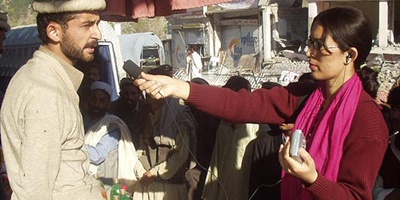
A UNESCO report highlights the severe gender pay gap in Pakistan, where women earn about $436 monthly, far less than their male counterparts. The media industry remains male-dominated, with significant challenges for female journalists, including workplace harassment.Summary
BANGKOK: Although the presence of women in media has more than doubled in two decades, they constitute only 28.6 per cent of the media workforce in Asia and the Pacific. Men outnumber women 4:1 in India and 5:1 in Pakistan. Pakistan also has one of the worst gender imbalances in terms of the gender pay gap.
These are some of the findings of a new study, "Inside the News: Challenges and Aspirations of Women Journalists in Asia and the Pacific", launched by UNESCO, and the UN Women and the International Federation of Journalists (IFJ). It was released on Monday.
Only two regions in the world, Eastern Europe and Nordic Europe, have crossed "one-third Rubicon" occupying 33 per cent or more of the top management and governance jobs in the media. Asia and the Pacific are located at the other end of the scale with "women occupying only about a fifth of governance positions and holding less than 10 per cent of top management jobs".
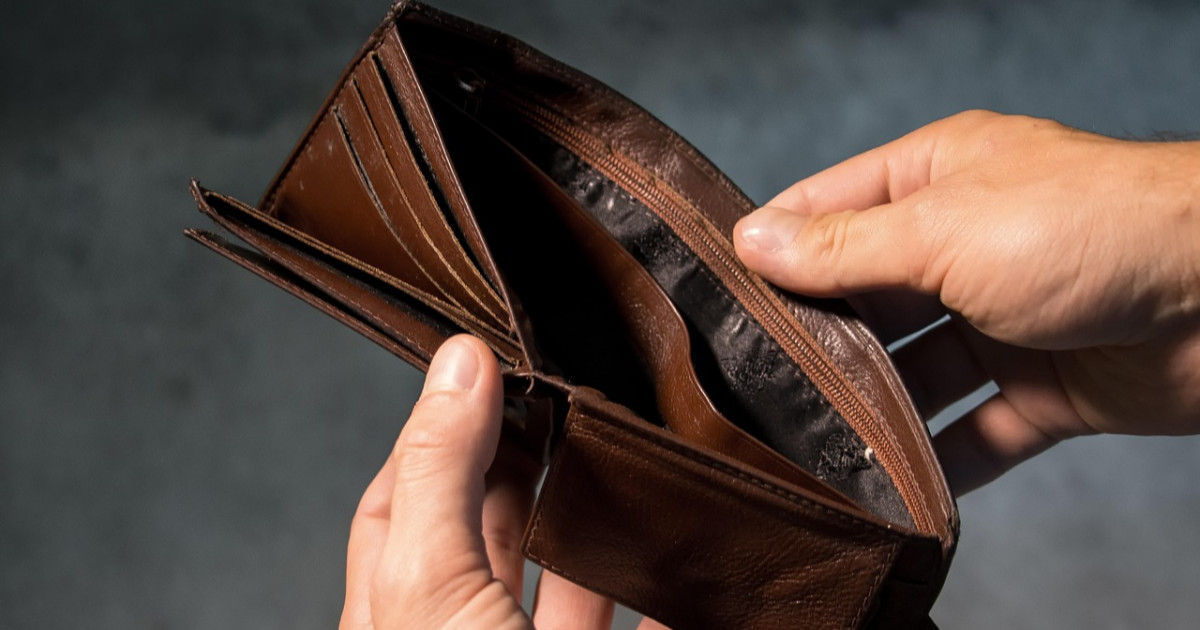
It is not just in numbers but also in salaries that women are adversely affected. "There is a clear gender pay gap, with women on average earning $436 per month, compared with men earning $506 per month," the report says. Cambodia and Pakistan had the widest gender pay-gap with men earning much higher salaries.
Pakistan, the report says, has one of the worst gender imbalances evidenced in the research in terms of the gender pay gap. The report states that sexual harassment remains a key issue in media workplaces with 34 per cent of journalists in Asia and the Pacific saying they witnessed sexual harassment at work.
At least 17 per cent of female journalists have personally experienced workplace sexual harassment, and 59 per cent of the time it is a superior who is the perpetrator. The report, which analyzed the media in seven countries in Asia and the Pacific, reported that Sri Lanka and Malaysia had the highest incidence of sexual harassment among respondents at 27.7 per cent and 20.6 per cent respectively.
Further, nearly half of all respondents (42.5 per cent) said there was no official complaints cell or anti-sexual harassment policy in their workplace. In its analysis of the Indian media scene, the report remarks that the country has a well-established media and its strong media landscape was full of women journalists.
"Yet while the advantage of class, caste and higher education has seen some women climb to the top rungs of the profession, the majority of women journalists today are still concentrated on the middle and lower rungs of the profession." Sexual harassment remains a critical issue for the industry, the report adds.
In Pakistan, the report says, despite a vibrant media industry, "the media and its unions remain extremely male-dominated with women coming up against 'glass ceilings' and slowed down by 'sticky floors', evidenced in the lack of women in decision-making roles".
Nevertheless, women within the industry are strong and defiant, and are regularly challenging this status quo on gender rights issues and sexual harassment.
In terms of portrayal of women in the media, in South Asia, respondents felt women were most commonly depicted as 'victims', whereas in South East Asia and the Pacific respondents felt women were most commonly depicted as 'family figures'. - Press release
KEY POINTS:
- Women make up only 28.6% of the media workforce in Asia.
- Pakistan has a significant gender pay gap, with men earning $506 and women $436 monthly.
- 34% of journalists reported witnessing sexual harassment at work.
- Only 42.5% of workplaces have official anti-harassment policies.
- Women journalists in Pakistan face glass ceilings and limited decision-making roles.