
Family of murdered social media celeb barred from 'forgiving' son for 'honor killing'
JournalismPakistan.com | Published: 19 July 2016
Join our WhatsApp channel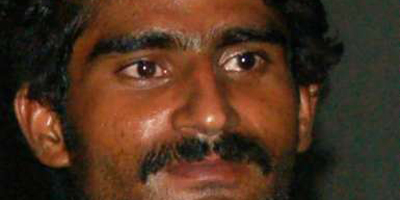
The family of social media star Qandeel Baloch is barred from forgiving her brother for her murder. This stands against the common practice of honor killings in Pakistan.Summary
ISLAMABAD - The Pakistani authorities have barred the family of murdered social media celebrity Qandeel Baloch from legally "forgiving" their son for strangling her, sources said, in a rare stand against the so-called practice of "honor killings".
Muhammad Waseem (pictured) drugged and strangled Baloch last Friday in a murder that has shocked the country, where the 26-year-old both titillated and outraged with her risqué social media photos and videos. A police source said the government of Punjab, has made it impossible for the family to forgive the son who murdered her - a common legal loophole that sees many honor killings go unpunished.
"It was done on the instructions of the government. But it happens rarely," said the Punjab police official. A senior government official in Islamabad confirmed the order came from the Punjab government.
Waseem told media he had "no regrets" about killing his sister as she violated the family's honor by her social media pictures, including "selfie" photographs with prominent Muslim cleric Abdul Qavi. In a video post with Qavi, she appears to sit on his lap.
More than 500 people, almost all of them women, die in honor killings in Pakistan every year, usually at the hands of relatives acting over a perception shame has been brought on the family. It was not immediately clear if the Punjab government's decision would lead to any meaningful reforms. An anti-honor killings bill that aims to close the family forgiveness loophole has been bogged down in parliament.
Prime Minister Nawaz Sharif in February promised to speed up the passage of the proposed law but right groups say there has been no progress. "There is no honor in killing in the name of honor," Sharif said about Baloch's murder, according to his daughter Maryam.
Baloch's father Muhammad Azeem has filed a police complaint against Waseem and another one of his sons for their role in Baloch's murder. Police on Monday also said they were widening their investigations to include Qavi, the Muslim cleric who was removed from a prominent Muslim committee after the selfie photos were published. He has denied any wrongdoing.
Baloch built a modelling career on the back of her social media fame and was the family breadwinner. Media often described her as Pakistan's Kim Kardashian and she called herself a modern-day feminist. But her pictures and videos outraged religious conservatives who viewed her as a disgrace to the cultural values of Islam and Pakistan. She often received death threats. - Reuters
KEY POINTS:
- Qandeel Baloch was strangled by her brother Muhammad Waseem.
- Punjab authorities have denied the family the option to forgive Waseem.
- Honor killings remain a significant issue in Pakistan, with over 500 women killed annually.
- The Punjab government aims to address the loophole in honor killing laws.
- Baloch was known for her provocative social media presence, which drew criticism.