
Pakistan government fails to ensure rule of law: Human Rights Watch
JournalismPakistan.com | Published: 12 January 2017
Join our WhatsApp channel
In its World Report 2017, Human Rights Watch highlights the Pakistani government's inadequate protection of vulnerable groups. The report also addresses increasing human rights abuses and the clampdown on civil society.Summary
NEW YORK – Pakistan’s government did little to protect vulnerable groups and religious minorities from attack by militant groups in 2016, Human Rights Watch said Thursday in its World Report 2017.
The authorities clamped down on civil society groups for criticizing government policies and human rights violations by state security forces.
In the 687-page World Report, its 27th edition, Human Rights Watch reviews human rights practices in more than 90 countries.
In his introductory essay, Executive Director Kenneth Roth writes that a new generation of authoritarian populists seeks to overturn the concept of human rights protections, treating rights as an impediment to the majority will. For those who feel left behind by the global economy and increasingly fear violent crime, civil society groups, the media, and the public have key roles to play in reaffirming the values on which rights-respecting democracy has been built.
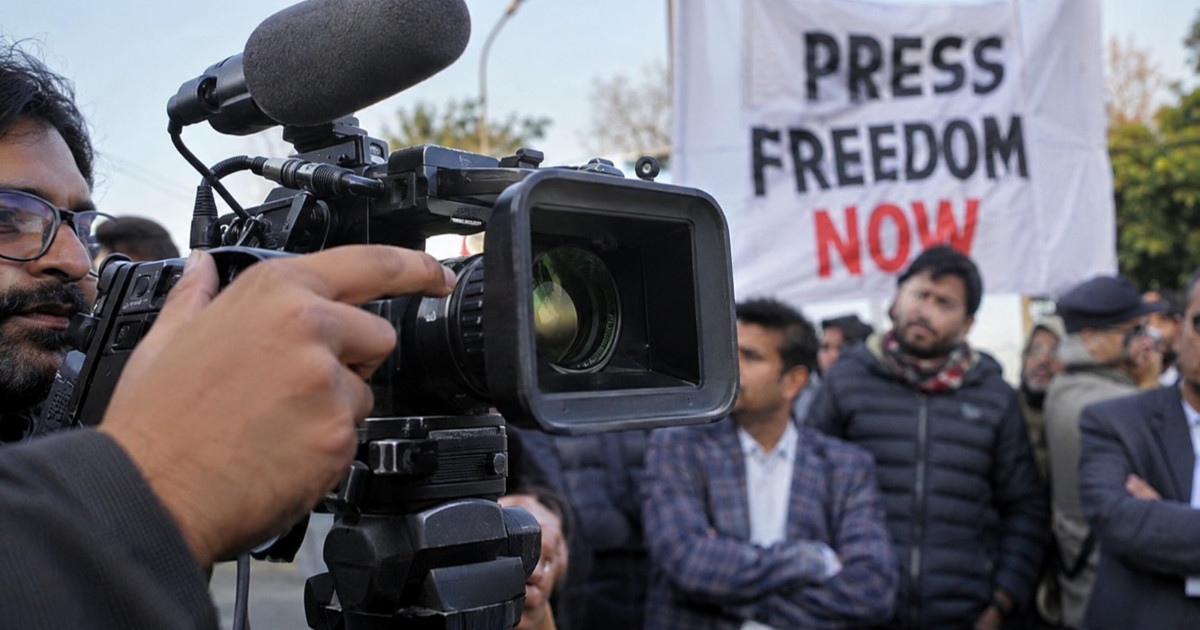
Law enforcement and security agencies were not held accountable for serious human rights violations. Secret military courts handed out death sentences, raising fair trial concerns. The government muzzled dissenting voices in nongovernmental organizations and media.
In August 2016, the government enacted a vague and overbroad cybercrimes law placing new curbs on free expression and peaceful internet use. In addition, at least 19 people remained on death row after being convicted under Pakistan’s draconian blasphemy law and hundreds awaited trial.
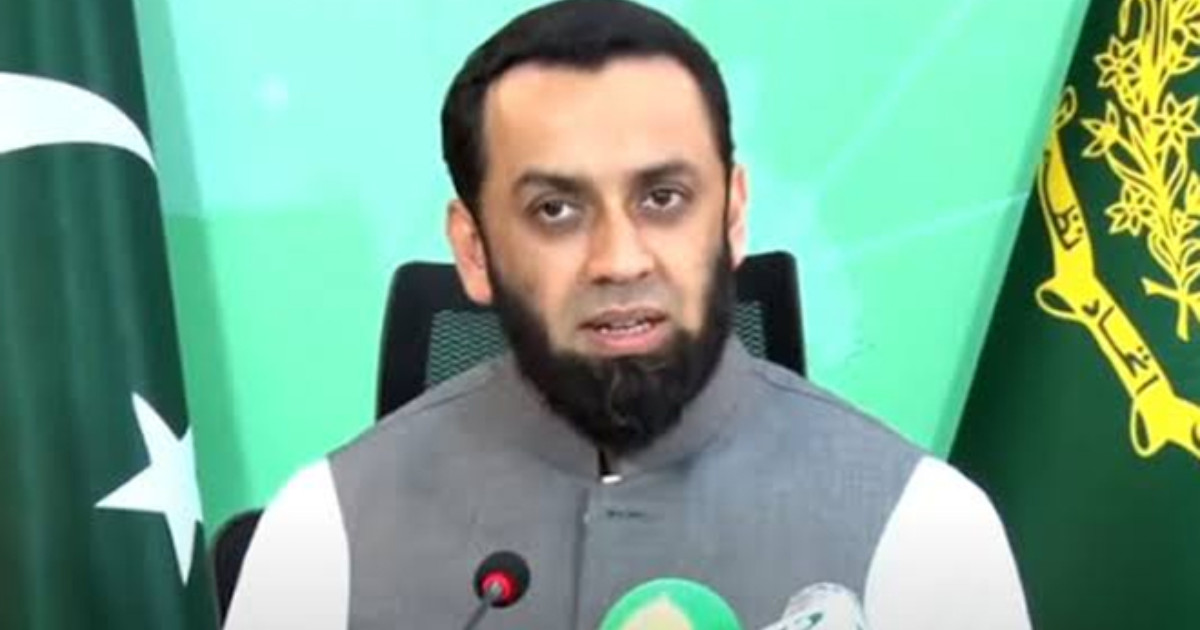
“Pakistan’s government is failing in its most basic duty of protecting citizens and ensuring the rule of law,” said Brad Adams, Asia director. “Threatening activists, lawyers, and journalists who speak out against human right abuses will not solve the problem, and the government should instead summon the courage to stand up to extremists and hold those responsible for violence and threats to account.”
In 2016, the Pakistan government failed to protect Afghans living in the country from harassment, threats, and other abuses. Local governments used coercive methods to repatriate tens of thousands of Afghan migrants, including at least 70,000 registered refugees. Statements by senior Pakistani officials raised concerns of new government actions to restrict the rights of Afghan refugees.
Violence against women and girls – including rape, murder through “honor” killings, acid attacks, domestic violence, and forced marriage – continued unabated.
In October, the Pakistan parliament passed a bill seeking to amend penal law provisions allowing the family of a murder victim to pardon perpetrators, a practice used to evade prosecution that is often seen in cases of “honor” where the victim and perpetrator frequently belong to the same family.
The government continued to actively encourage legal and procedural discrimination against religious minorities by failing to repeal discriminatory laws. Violent attacks on transgender and intersex women in Khyber Pakhtunkhwa province surged in 2016, with unknown assailants frequently targeting those involved in activism.
“The rampant attacks on women and minorities in Pakistan will only end when the government demonstrates that they will hold the perpetrators to account,” Adams said. “The Pakistani government needs to repeal discriminatory laws that encourage and enable such attacks.” - Human Rights Watch
Key Points
- Human Rights Watch reports significant failures by the Pakistani government in 2016.
- Vulnerable groups, including religious minorities, faced increased threats from militant groups.
- The government enacted laws that restrict free expression and targeted dissenting voices.
- Violence against women and minorities persists, with a lack of accountability for offenders.
- The report calls for the repeal of discriminatory laws and accountability for security violations.
Relevant Topics
Ask AI: Understand this story your way
AI EnabledDig deeper, ask anything — get instant context, background, and clarity.
Disclaimer: This feature is powered by AI and is intended to help readers explore and understand news stories more easily. While we strive for accuracy, AI-generated responses may occasionally be incomplete or reflect limitations in the underlying model. This feature does not represent the editorial views of JournalismPakistan. For our full, verified reporting, please refer to the original article.