.png)
Online abuse of women in Pakistan turns into real-world violence
JournalismPakistan.com | Published: 30 September 2014
Join our WhatsApp channel
Online harassment of women in Pakistan is escalating into real-world violence, prompting calls for better protections from social media companies. Activists criticize the slow response of major platforms like Facebook and Twitter to address these threats.Summary
ISLAMABAD: Internet abuse of women in Pakistan is triggering real world violence against them, but large social media companies, such as Facebook and Twitter, are moving too slowly to stop it, internet rights group Bytes for All said.
Women face online threats globally, but they run a unique risk in Pakistan, where there is a tradition of men killing women seen as having injured a family's honor, besides punitive laws against blasphemy.
With law enforcement too weak to fight the violence sparked by online campaigns, activists want giant internet firms to roll out greater protection for users, from streamlining how they tackle complaints to faster action against threats of violence.
"These technologies are helping to increase violence against women, not just mirroring it," said Gul Bukhari of Bytes for All, and the author of a report released this week as Pakistan experiences a surge in sectarian hatred, attacks on minorities and blasphemy quarrels.
"A lot of the crime we are witnessing would not have been possible without the use of these technologies."
There have been more than 170 complaints of cybercrime against women this year in Pakistan's most populous province of Punjab, the Federal Investigation Agency says. No figures were available for the remaining three provinces.
None of the cases was successfully prosecuted because women usually reached a compromise with the suspect, said Syed Shahid Hassan, an official with the cybercrime office in Lahore, where 30 employees work full-time.
Since police rarely act when women are harassed online, few cases are reported, activists say.
About 32 million of Pakistan's 180 million people use the Internet, the group said in its report, mainly on mobile telephones. About 12 million are on Facebook and some 2 million use Twitter, domestic media say.
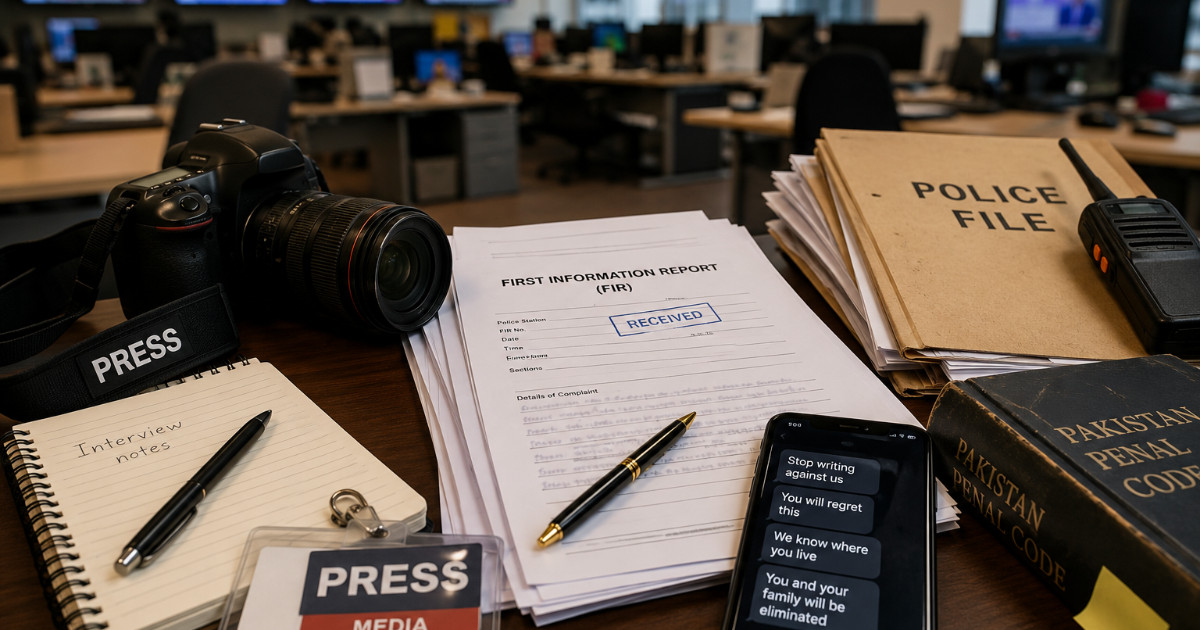
In one case documented by Bytes for All, an online hate campaign last year urging the rape and murder of a prominent human rights defender culminated in shots being fired at the woman and her husband.
She received hundreds of threats and the addresses of her family were posted online, along with pictures of her and her daughter.
"She suffered nightmares of being raped, of family members being harmed because of her," the group said.
Facebook took down the pages, but had to do so again when they were posted by a different user, the group said, and Twitter took a month to deal with her complaint.
Twitter declined to comment on specific cases but says it took tough steps last year to protect privacy and tackle abuse. Facebook is "passionate" about protecting users, says its content policy director Monika Bickert, who formerly worked at the U.S. Justice Department to target sex traffickers and crimes against children.
"My background has given me an appreciation of how serious this issue is," Bickert said.
But the woman is unlikely to get justice, as police have lost all the evidence, and the sole witness has died.
In another case that spotlights the limitations of Pakistan's police, a 14-year-old girl was blackmailed into submitting to repeated gang rapes after her boyfriend threatened to post online a video he had secretly shot of the two together.
The slight, shy girl told Reuters she was too ashamed to tell her family and gave into her abuser's demands.
Bukhari's investigation showed police got the girl's age wrong and did not charge her abusers with statutory rape.
"She's 18," one police officer told Reuters, but admitted he had not looked at school records to ascertain her age or searched for evidence of the abuse online.
Though the case is nearly two years old, authorities have not asked Facebook for evidence, the girl's lawyer said. The site said it would investigate if the rape video proved to have been posted on its pages.
Twitter and Facebook had made it easier to report abuse but more needs to be done, said Bukhari.
"The companies are responding a bit better to women in the West," she said. "But voices in other countries are not being heard with as much seriousness and that puts women in danger." - Reuters
Key Points
- Significant rise in online abuse against women in Pakistan.
- Activists call for quicker actions by social media giants.
- 170 cybercrime complaints against women reported this year.
- Weak law enforcement fails to protect women from online threats.
- Police inadequacies lead to a lack of successful prosecutions.
Relevant Topics
Ask AI: Understand this story your way
AI EnabledDig deeper, ask anything — get instant context, background, and clarity.
Disclaimer: This feature is powered by AI and is intended to help readers explore and understand news stories more easily. While we strive for accuracy, AI-generated responses may occasionally be incomplete or reflect limitations in the underlying model. This feature does not represent the editorial views of JournalismPakistan. For our full, verified reporting, please refer to the original article.