
Rafique (Feica)
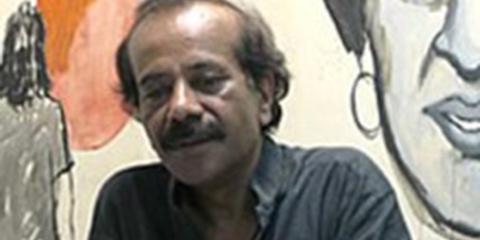
Born in 1957 in Multan, Feica started his schooling there, but could never take to studies. According to him, he was "only interested in drawing".
He credits his father for allowing him to pursue his dream and as soon as he passed his Matriculation exams, he simply picked up a bag and some money, and landed in Lahore. He had seen an NCA advertisement in a newspaper and armed with around 50 drawings in his portfolio, he applied for admission to the college. This was way back in 1973-74, when NCA admitted students who had cleared Matric exams.
In 1979 he joined The Muslim under Mushahid Hussain, and also started drawing for Zafar Sultani’s Ravish. He moved to Karachi to work in The Star in early 1980s.
It was at The Star that Feica’s career took off and, in his words, was “the beginning of my serious career as a cartoonist.” Feica also started freelancing with other publications like Dawn and the Herald, and teamed up with Anwar Maqsood to do cartoons for Hurriyet, the group’s Urdu newspaper. This was the time when Yousuf Lodhi – popularly known as Vai Ell – the political cartoonist par excellence also joined The Star, which was making waves despite the repression.
Feica left Star in 1986, went back to The Muslim in Islamabad, and then moved to the Frontier Post in Peshawar in 1987. There again he was joined by Vai Ell and Zahoor, who came in as an illustrator and became a cartoonist when Feica moved to Lahore in 1988.
Somewhere along the way, he morphed from Rafique to Feica (short for Rafique), asking his editor to come up with the correct spellings of ‘Feica’ which incidentally is used as a pet name in Punjab for Rafique.
Another visible change, along with his new signature, was the addition of a balding character in his caricatures. Earlier, there was just the roving crow that was an incredulous witness to the events being portrayed by Feica.
Feica became friends with an American girl there and followed her to the US, where he spent the next two-and-a half years of his life, visiting museums and art galleries, and working. The year 1992 marked the end of his US sojourn and upon his return, the late Najma Babar introduced him to the then editor of Dawn, Ahmed Ali Khan, who hired him. He has been a part of Dawn since then.
Source: Excerpts from an article published in Newsline in December 2011
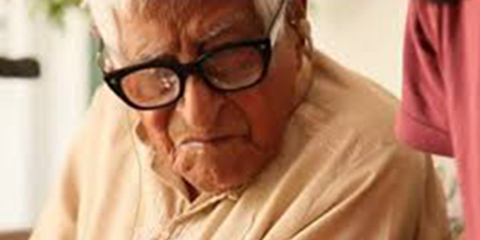
F.E. Choudhry (1909-2013)
Affectionately known as Chacha in the journalist community, F. E. Choudhry is credited to have introduced innovative features to photojournalism, such as cricket action photography, pictorial and

Maleeha Lodhi
Maleeha Lodhi obtained her Ph.D in Politics from the London School of Economics in 1980, having received her B.Sc (Econ) from the same institution in 1976. She taught Politics and Sociology at
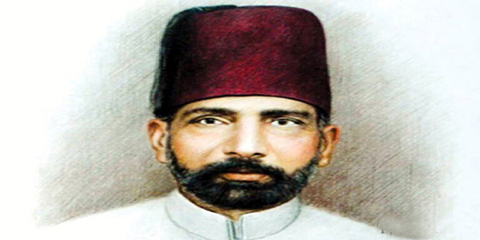
Maulana Zafar Ali Khan (1873-1956)
Writer, journalist and politician, Maulana Zafar Ali Khan belonged to a learned family of Karamabad district, Gujranwala, Punjab. He received his early education in Wazirabad and Patiala.
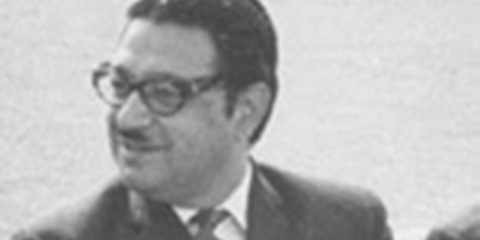
Altaf Gauhar (1923-2000)
Altaf Gauhar was a man of extraordinary versatility, charm and intelligence. He was born in Gujranwala and received his education from the Government College, Lahore, after which he joined All-India Radio
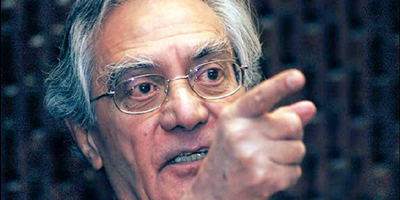
Aslam Azhar (1932-2015)
Born on 2 September 1932, Aslam Azhar is remembered as the founding father of Pakistan Television. After earning a law degree from Cambridge University, he chose not to pursue a legal career but instead immersed himself in the world of performing arts.
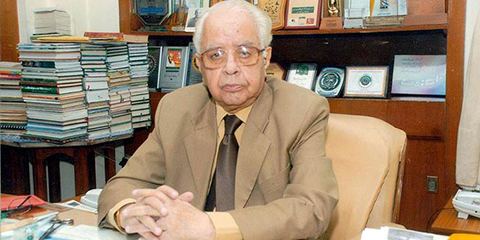
Majid Nizami (1928-2014)
Editor-in-chief and publisher of Nawa-i-Waqt, Majid Nizami was in the field of journalism for almost half a century. He was born in Sangla Hill in Sheikhupura, Punjab, and got his early education
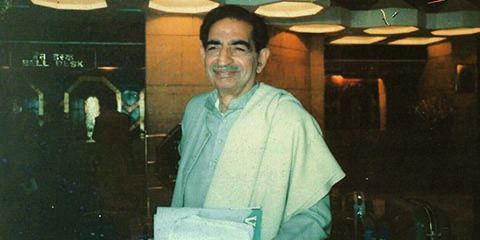
Mazhar Ali Khan (1918-1993)
Mazhar Ali Khan served as the Editor-in-Chief of the newspapers Pakistan Times from 1951 to 1959, Dawn in 1972, and the journal Viewpoint. He graduated from the Punjab University in Lahore in 1939

Safdar Mir (1922-1998)
Born in Lahore, Mohammad Safdar Mir was respected and feared for his encyclopedic knowledge, making his mark as a poet and playwright. He acted on stage in both Bombay and Lahore
Newsroom
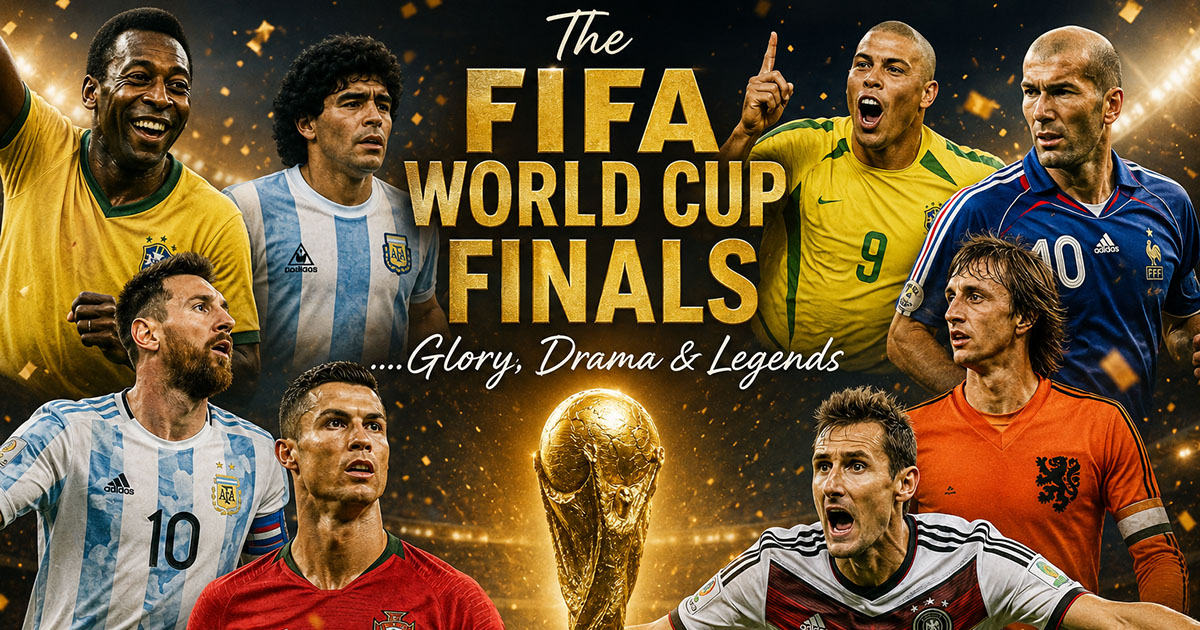
Pele to Messi: How World Cup finals wrote football's greatest story
June 15, 2026 From Pele to Messi, World Cup finals shaped football's global story, tracing triumphs and heartbreaks and showing how the game became a shared language.
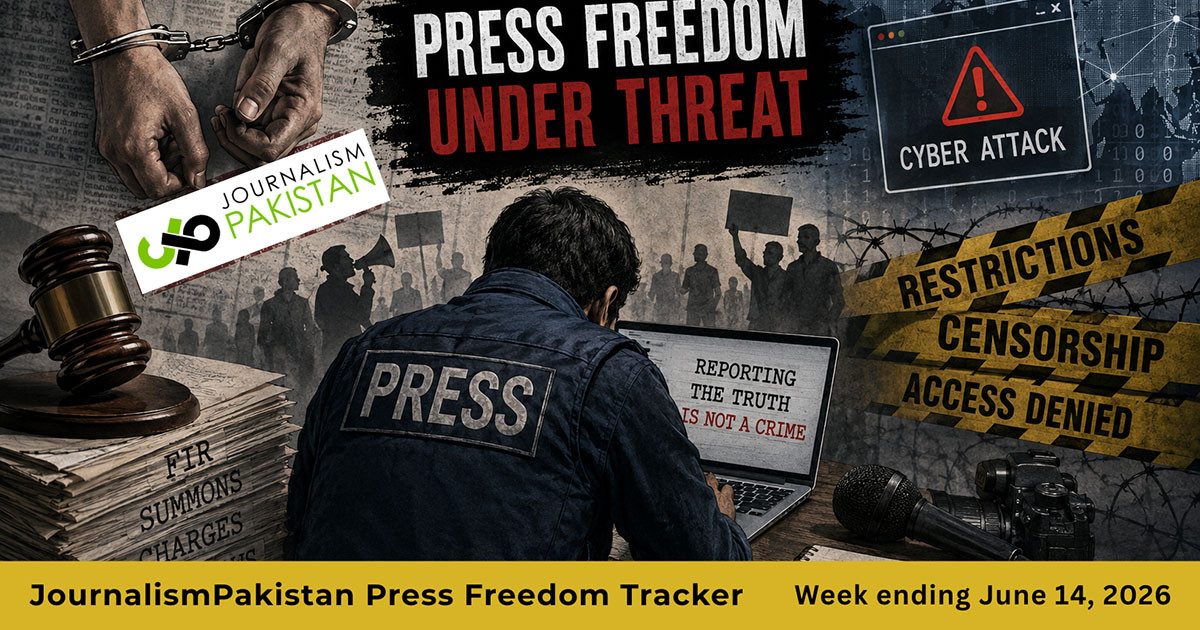
Press freedom review: From jail cells to cyberspace, threats to journalists multiply
June 14, 2026 Press freedom faces mounting challenges worldwide as journalists confront arrests, legal pressure, cyberattacks, online harassment, deportations, and reporting restrictions across multiple countries.
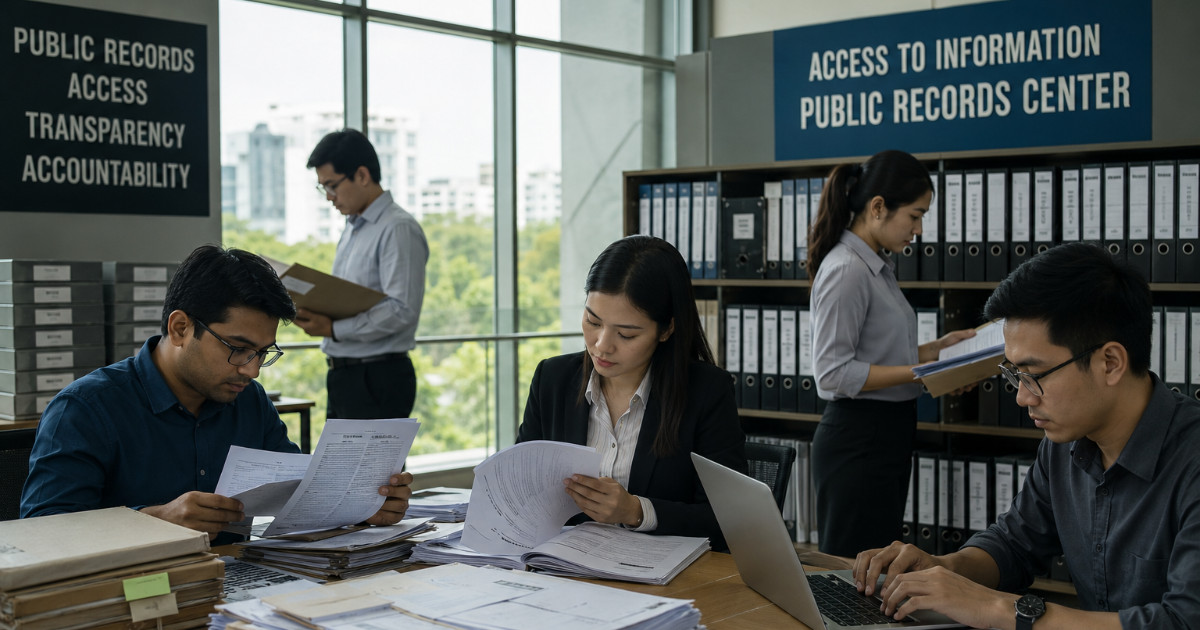
The right to know: Comparing access-to-information laws across Asia
June 14, 2026 Across Asia, RTI laws range from effective tools for journalism and accountability to paper laws weakened by bureaucracy, broad exemptions and poor enforcement.
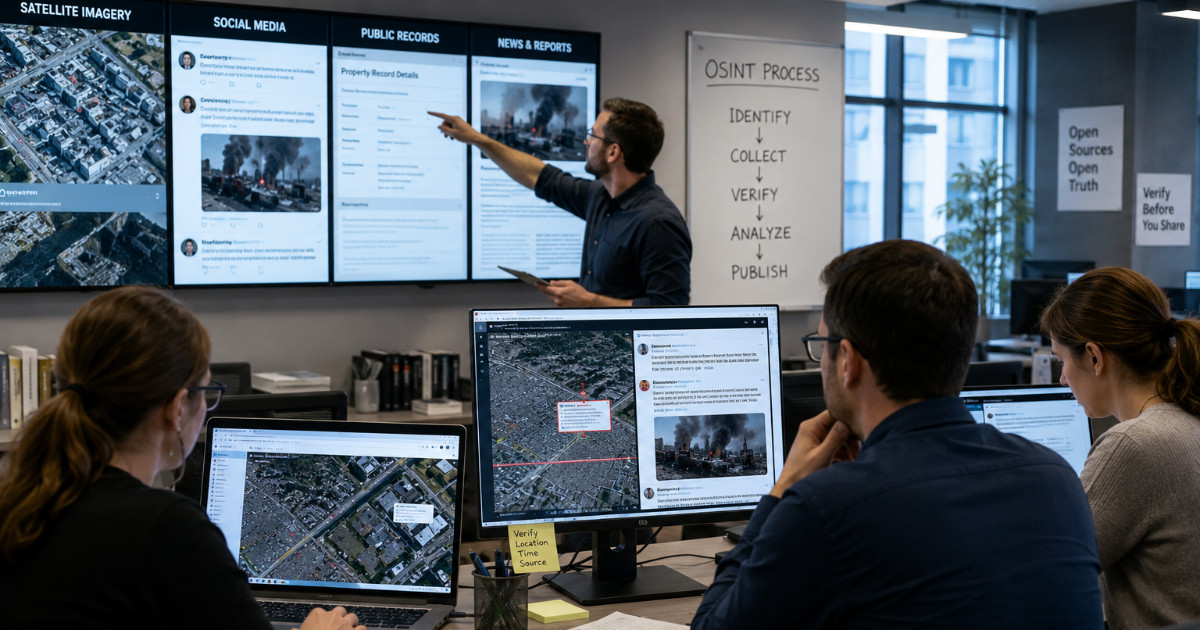
Open-Source Intelligence (OSINT): How journalists verify information in the digital age
June 14, 2026 OSINT helps journalists verify social media, photos, videos, maps and public records to improve reporting accuracy and detect misinformation.
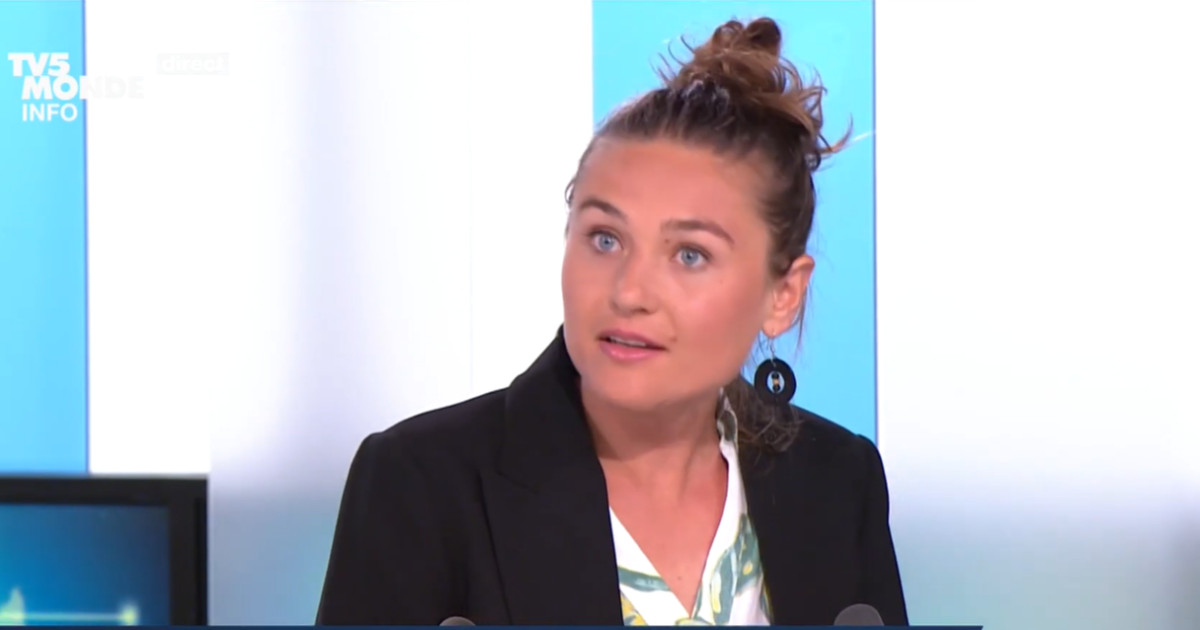
Ethiopia expels French journalist after Tigray reporting
June 13, 2026 Ethiopia expelled French reporter A. Passilly after Tigray reporting, drawing criticism from press groups as retaliatory and damaging to press freedom.
Popular Stories

Why publishers want AI companies to pay
Jun 06, 2026