
Cartoonists are vulnerable worldwide, CPJ report finds
JournalismPakistan.com | Published: 19 May 2015
Join our WhatsApp channel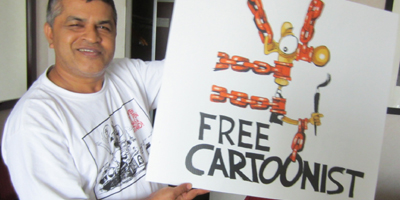
A recent CPJ report highlights the significant dangers faced by political cartoonists worldwide. The threats arise from various sources, including government officials and extremist groups.Summary
NEW YORK: Grave dangers confront those who draw satirical and political cartoons, but threats against cartoonists are a global phenomenon and are as diverse as the content of the cartoons themselves, according to a report released today by the Committee to Protect Journalists.
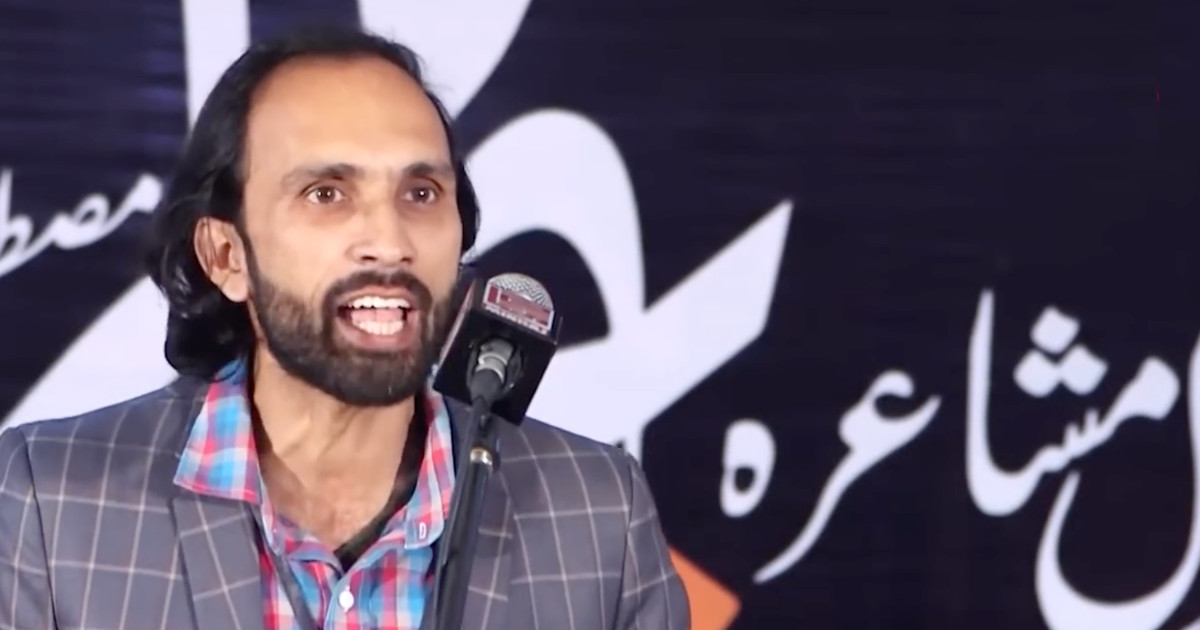
In one case examined in the report, political cartoonist Zulkiflee Anwar Ulhaque (pictured), known as "Zunar," faces more than 40 years in prison if found guilty of sedition during a trial that is due to begin in Malaysia on May 20.
"Attacks and threats from Islamic extremists have brought the risks for cartoonists into high relief, but the threats also come from governments," said Joel Simon, CPJ Executive Director. "Editorial cartoons have the ability to convey complex themes in a simple yet profound manner that easily crosses borders and languages. What makes these cartoons so powerful is also what makes cartoonists so vulnerable."
The risks stem largely from criticism of authority figures, commentary on current affairs, and portraying religious symbols. Thanks to social media, cartoons are reaching more people than ever before, but that reach means enemies of the press are able to more easily monitor and respond to content they deem objectionable.
Political cartoonists in Iran, South Africa, and Venezuela are among those who have faced lawsuits, fines, harassment, and imprisonment over their satirical take on leaders and government policy. In Ecuador, the cartoonist Xavier Bonilla may face criminal charges over a montage jabbing at the fumbling speech of a politician in President Rafael Correa's ruling party. His newspaper, El Universo, was ordered to run an apology for seven days after publishing the cartoon.
Fear of retaliation and death threats from radical Islamists have forced some cartoonists into exile or, in the case of American Molly Norris, into hiding. One cartoonist simply disappeared. Prageeth Eknelygoda, a Sri Lankan whose critical drawings of the Rajapaksa government were widely disseminated, went missing in 2010.
A growth in measures against "offensive" speech and greater surveillance of media under the guise of combatting terrorism are also documented in the report, which was written by Shawn W. Crispin. Crispin, a Thailand-based journalist, is CPJ's senior Southeast Asia representative. CPJ Asia Research Associate Sumit Galhotra contributed reporting from New Delhi, India.
CPJ's report looks at cases in Malaysia, India, South Africa, Bangladesh, Venezuela, the United States, Ecuador, Sri Lanka, Syria, and Iran.
Key Points
- Cartoonists are facing increasing threats globally, particularly from authority figures.
- The report details the case of Zulkiflee Anwar Ulhaque, facing potential imprisonment.
- Governments and extremists pose serious risks to cartoonists' freedom of expression.
- Political cartoonists in various countries, including Malaysia and Iran, experience harassment and legal action.
- Social media expands the reach of cartoons but also heightens vulnerability to backlash.
Relevant Topics
Ask AI: Understand this story your way
AI EnabledDig deeper, ask anything — get instant context, background, and clarity.
Disclaimer: This feature is powered by AI and is intended to help readers explore and understand news stories more easily. While we strive for accuracy, AI-generated responses may occasionally be incomplete or reflect limitations in the underlying model. This feature does not represent the editorial views of JournalismPakistan. For our full, verified reporting, please refer to the original article.