.png)
Attempt to muzzle media, public interest journalism through PMDA rejected
JournalismPakistan.com | Published: 20 August 2021
Join our WhatsApp channel
Key stakeholders in Pakistan's media have united against the proposed Pakistan Media Development Authority, labeling it as a threat to journalism and democratic principles. The proposal seeks to regulate all media forms, raising concerns over censorship and the infringement of freedom of expression.Summary
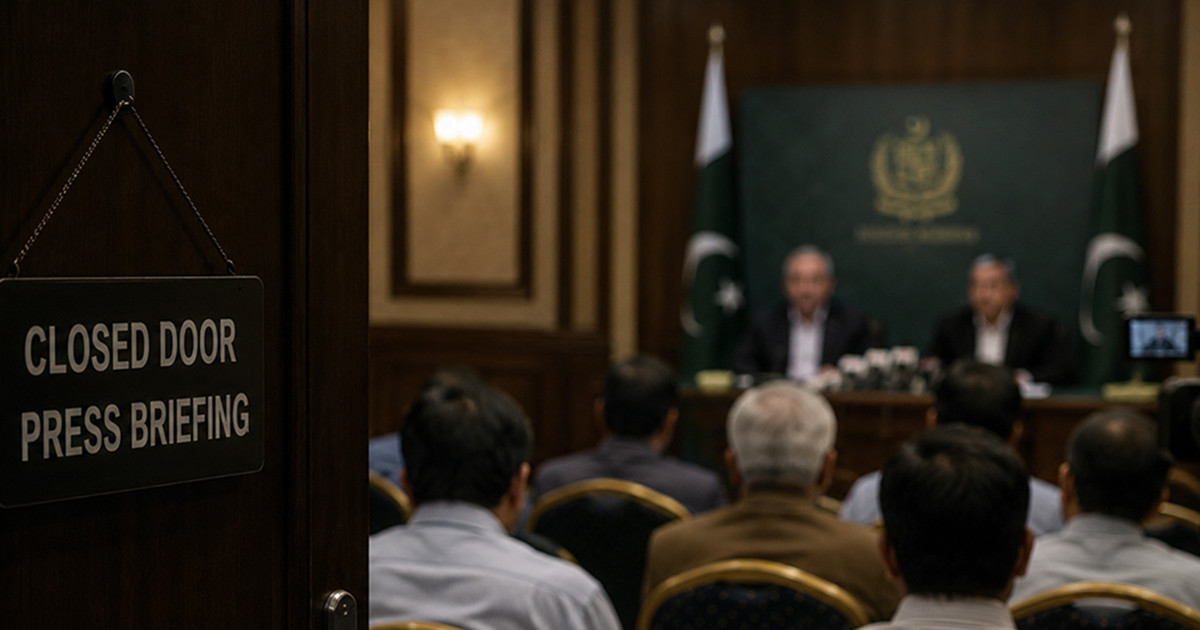
ISLAMABAD—Key stakeholders of media and civil society have completely rejected as draconian and unacceptable both the government proposal to create a new authority to regulate the entire spectrum of the country’s media sector including print, electronic, digital, and film, and its attempt to wrongly claim support for it, a joint statement issued here declared.
The proposed establishment of Pakistan Media Development Authority (PMDA) by merging all existing media and sundry regulators and repealing major media- related legislation is unacceptable because this entails bulldozing existing structures and mandates for the purpose of addressing government concerns rather than reforming them from the perspectives of either the media, journalists, citizens, or media consumers of Pakistan.
The Pakistan Federal Union of Journalists (PFUJ), Human Rights Commission of Pakistan (HRCP), Pakistan Bar Council (PBC), South Asia Free Media Association (SAFMA), Asma Jahangir’s AGHS, Digital Media Alliance of Pakistan (DigiMAP), Freedom Network (FN), Institute for Research, Advocacy and Development (IRADA), Digital Rights Foundation (DRF), Media Matter for Democracy (MMFD) and others oppose and reject the PMDA.
This joint statement is also being publicly endorsed by dozens of civil society organizations, human rights defenders and prominent journalists, citizens and groups. All key media industry associations including All Pakistan Newspaper Society (APNS), Council of Newspaper Editors (CPNE), Pakistan Broadcasters Association (PBA) and Association of Electronic Media Editors and News Directors (AEMEND) have already rejected PMDA proposal, as have leading political parties including Pakistan Peoples Party and Pakistan Muslim League-N.
“While rejecting as patently false the repeated claims of the federal information minister that the PMDA proposal is endorsed by any of the signatories of this statement, we reiterate that we collectively reject outrightly and oppose vehemently the proposed PMDA that the federal government has repeatedly announced it intends to establish shortly. It is draconian in scope and devastating in its impact on the principles and constitutional guarantees for freedom of expression, media freedoms, right to information and human rights and the practice of the noble profession of journalism.
“We believe the proposal reflects a dictatorial ‘martial law mindset’ hostile to the concept of people’s pluralist freedom of expression and embodies the anti-media proclivity of an army of government spokespersons that demonize the media and distribute “certificates of treason and patriotism.”
“This is unacceptable and runs contrary to rights-based constitutional democracy in which dissent is a legitimate tool of democratic exercise. Citizens and media differing with government policies and holding contrarian perceptions is the lifeblood of democracies and do not constitute treason or mischief. The government must respect these democratic principles.”
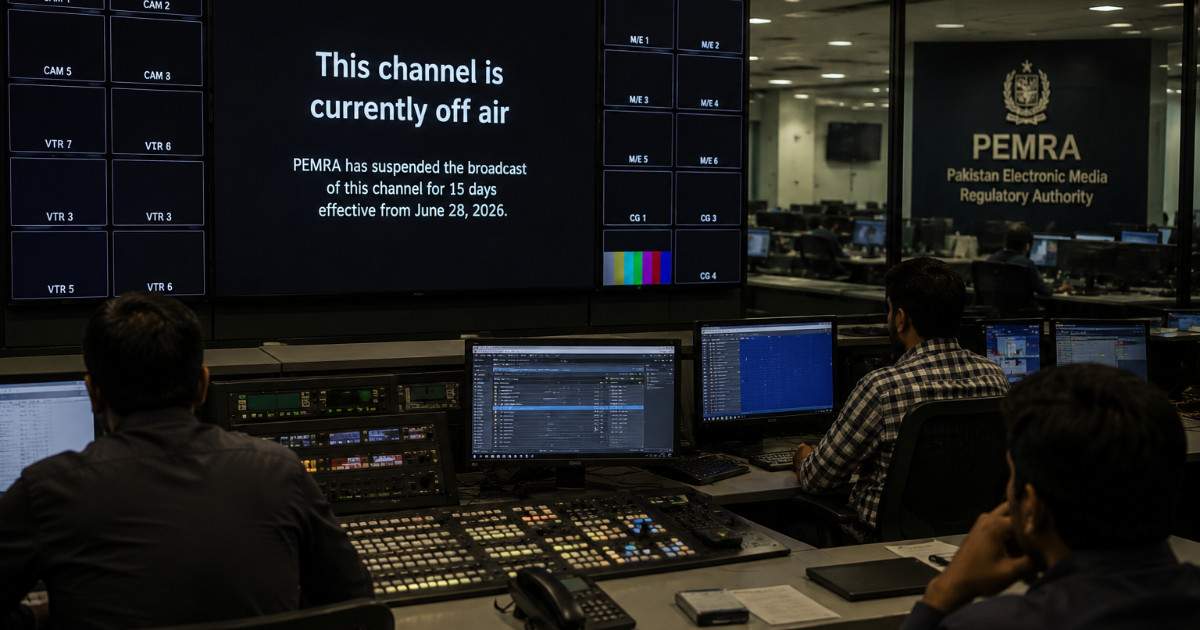
The government proposal includes repealing all current media-related laws including The Press Council Ordinance 2002, The Press, Newspapers, News Agencies and Books Registration Ordinance 2002, the Newspaper Employees, (Conditions of Services Acts) 1973, Pakistan Electronic Media Regulatory Authority Ordinance 2002 as amended by PEMRA Amendment Act 2007, and The Motion Pictures Ordinance 1979 and to merge all the current media regulators into a single entity called Pakistan Media Development Authority (PMDA).
Instead of reforming these laws, upending the current media regulatory regime, as proposed in the law, will destroy all public media as it exists in Pakistan today, despite its myriad current complications, as the proposed PMDA is in direct contravention of Prime Minister Imran Khan’s promises of expanding freedom of expression before he took oath of office.
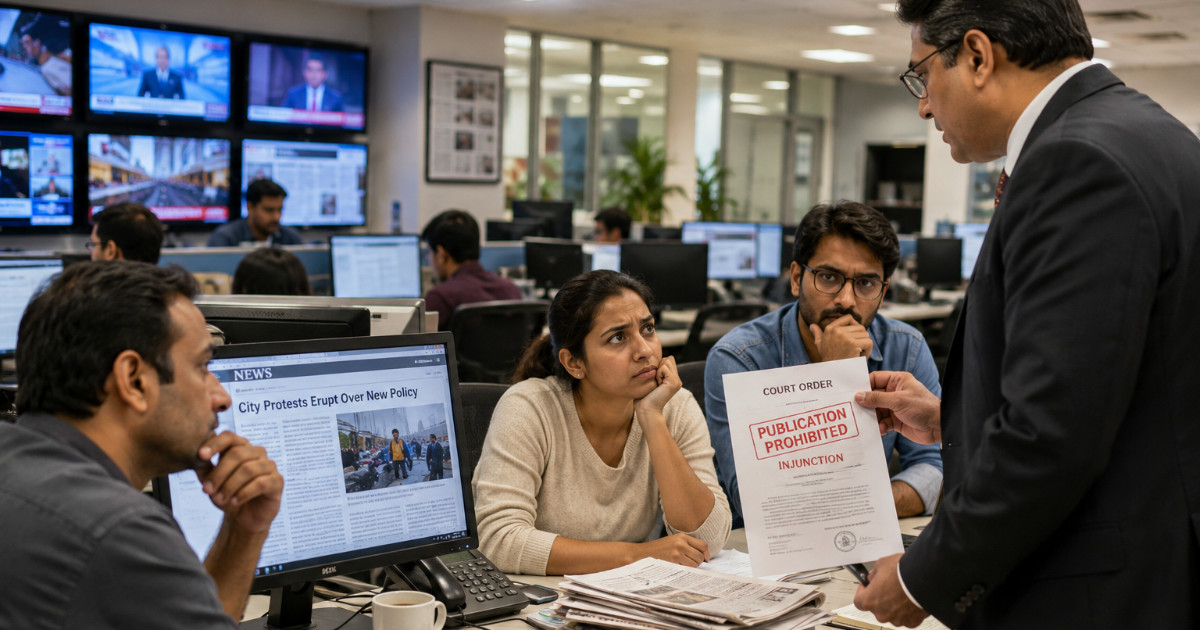
The proposed PMDA is designed to further tighten the grip of the government on all forms of media that includes not just print and electronic but also internet and digital media, and even films and drama now. The government is attempting to formalize a regime of coercive censorship even when it has no right to police the freedom of expression of 200 million citizens of Pakistan as guaranteed in the constitution.
“We express concern that after strangulating the legacy media of print and electronic that have served the country’s struggle for democracy, public interest, and human rights for decades, even during the period of martial law, the government now wants to subjugate the Pakistani cyberspace also where Pakistani media is finding a new space to practice public interest journalism that is being strangulated in offline spaces. This cannot be allowed to happen as it will be tantamount to restricting digital rights and trample free speech in digital spaces and democratic diversity and socio-cultural pluralisms online.
“The incumbent government is already exercising a coercive censorship policy on mainstream media and since 2019 aiming to introduce intimidating online regulations through PEMRA and PTA which have been vehemently opposed and rejected by all stakeholders and even by national and international media watchdogs and global social media giants.
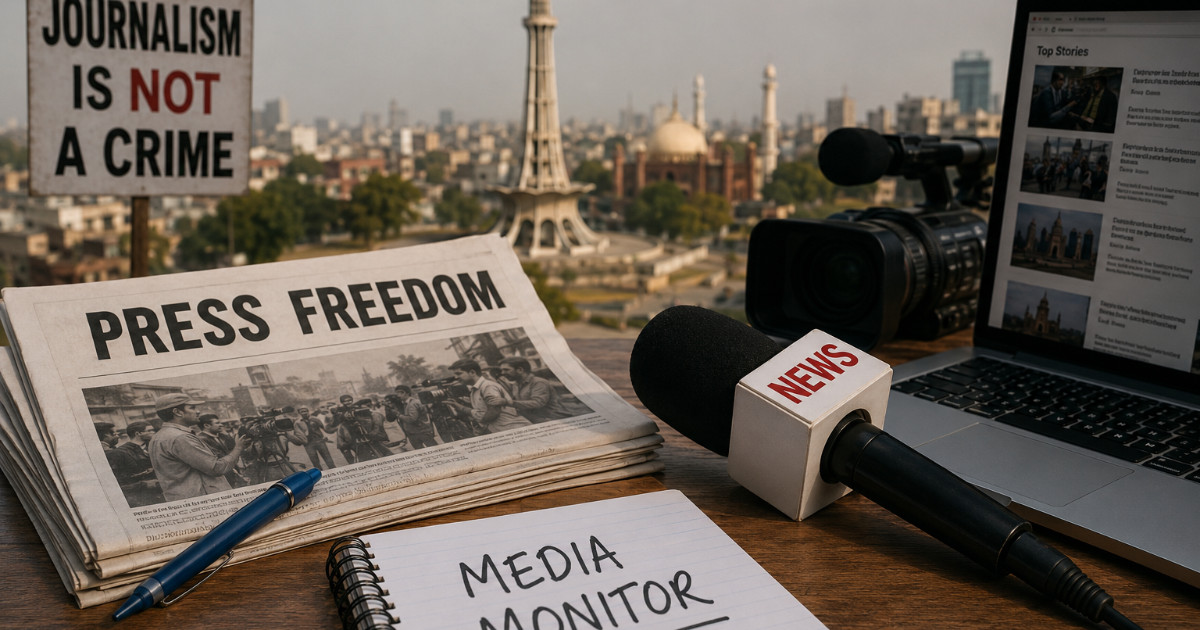
The entire media sector, journalists’ community, civil society, political parties and citizens of Pakistan will oppose this dictatorial regime on media, including print, electronic, and digital tooth and nail and not allow PMDA to become the proposed new headquarters of censorship in the country.
Proposed laws that create draconian institutions such as PMDA are favored by dictators not democrats. Such non-representative and monopolistic approaches to law making in democratic setup and elected governments has always proved to be disastrous not just for the country and society but also for government themselves. The government and ruling party will itself become the biggest victim of the draconian law by crushing freedom of expression of citizens and media freedoms for journalists as no one will be left to speak for it and communicate with its constituents.
There is an urgent need to expand media freedoms in both the digital and physical information spheres to protect all information practitioners including print, electronic, and digital journalists instead of further curbing political and social pluralisms in the country, and limiting them under a proposed PMDA that proposes expensive licensing of media operations, annual renewal permissions and trials of print, electronic, and digital journalists and other content producers, including citizens.
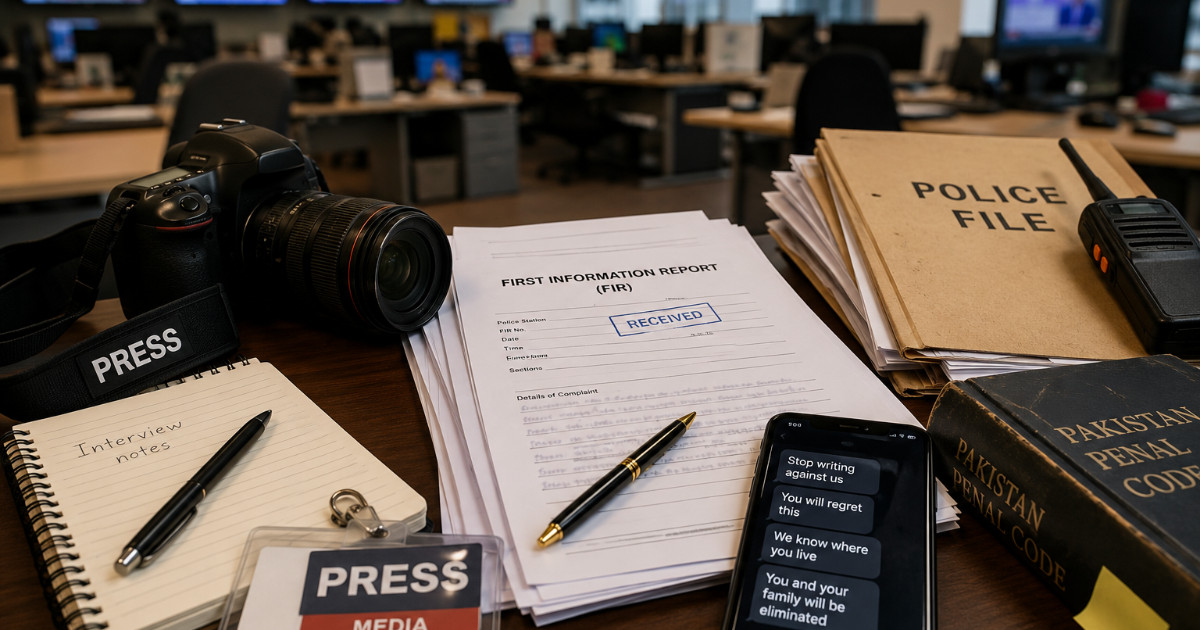
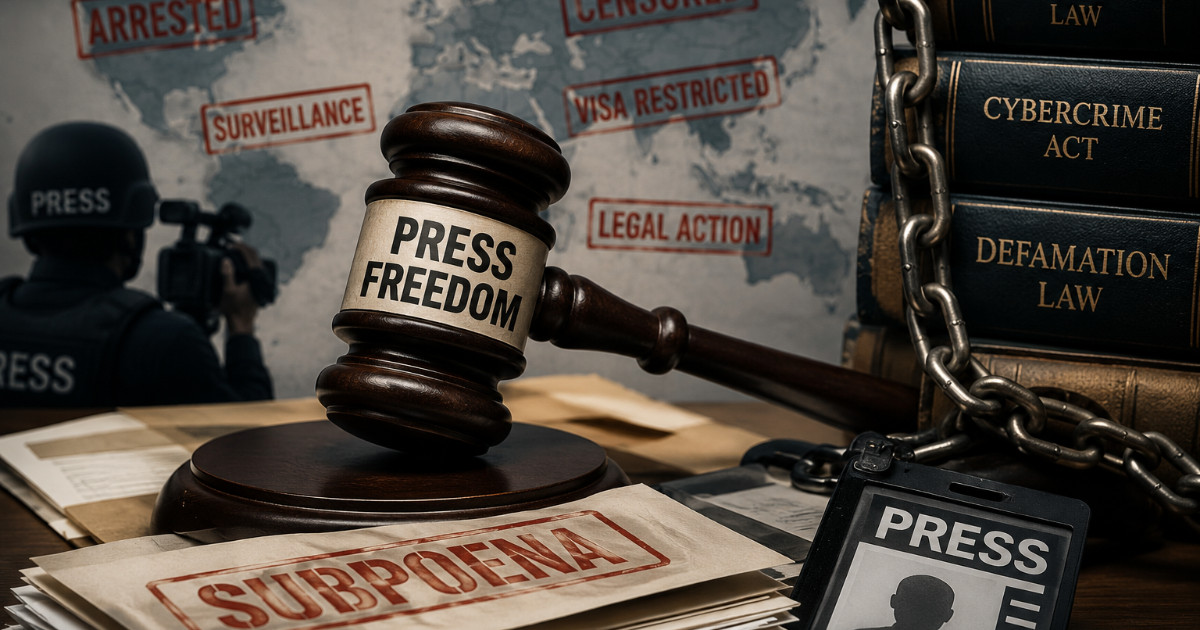
Pakistan continues to slip further in rankings on freedom of expression and safety of journalists and information practitioners issued by global media watchdogs such as Reporters Without Borders, International Federation of Journalists and Committee to Protect Journalists. If the government proposal materializes in the shape of a law or ordinance, it will end up pushing Pakistan on the bottom-most world ranks of media freedoms.
Pakistan’s economic progress depends on its digital transformation and a thriving cyberspace that fosters creativity, innovation, and free expression underwritten by global standards of digital rights. The proposed PMDA will kill this spirit of digital progress and we will collectively oppose this.
By aiming to undermine the constitutional guarantees of freedom of expression and right to information as enshrined in Articles 19 and 19-A, the proposed new PMDA law is ultra vires of the constitution. We reject it completely and urge the government to abandon this misadventure failing which we will be constrained to launch a countrywide movement in concert with the media industry, civil society, digital and human rights groups, parliamentarians, political parties, and global media and digital rights groups to oppose it. —Press release
Key Points
- PMDA proposal rejected by media and civil society groups.
- The proposal threatens existing media regulatory structures.
- Concerns raised over potential censorship and freedom of expression violations.
- Stakeholders call for government to respect democratic principles.
- Significant opposition from political parties and media associations.
Relevant Topics
Ask AI: Understand this story your way
AI EnabledDig deeper, ask anything — get instant context, background, and clarity.
Disclaimer: This feature is powered by AI and is intended to help readers explore and understand news stories more easily. While we strive for accuracy, AI-generated responses may occasionally be incomplete or reflect limitations in the underlying model. This feature does not represent the editorial views of JournalismPakistan. For our full, verified reporting, please refer to the original article.