
(2).png)
A bill calling for rapid resolution of journalistic problems
JournalismPakistan.com | Published: 12 November 2014 | Daud Malik
Join our WhatsApp channel
The Protection of Journalists Bill 2014 aims to empower the Supreme Court to inquire about journalists' sources and establish a council for their support. It seeks to enhance the protection and working conditions of journalists in Pakistan.Summary
ISLAMABAD: Proposing to give the Supreme Court “power” to inquire about sources of journalists’ information, a draft bill - the Protection of Journalists 2014 - moved by Jamaat-e-Islami legislators in the National Assembly calls for setting up a National Press Council for “rapid resolution of journalistic problems”.
Introduced by Shaibzada Tariq Ullah, Shaibzada Muhammad Yaqub, Sher Akbar Khan and Aisha Syed, the bill says the council’s membership will comprise a member each from Pakistan Federal Union of Journalists, All Pakistan Newspapers Employees Council, All Pakistan Newspapers Society, Pakistan Broadcasters Association, Council of Pakistan Newspaper Editors and Chairman Pakistan Electronic Media Regulatory Authority.
The other members will be Secretary Ministry of Information and Broadcasting, Secretary Ministry of Interior and at least one representative of an independent media organization “registered under laws of Pakistan…”.
The main tasks of the council, according to the draft legislation, will be to give “proposals and programs to the government with reference to the protection and problems faced by the journalists during their duty” and “introduce mechanism for the solution of problems of journalists.” It will also create conducive atmosphere in order to “ensure opportunities of personal development, progress and education for the journalists working in private and public sectors”.
Further, the council will “ensure prompt implementation on the complaints of journalists.” Importantly it will also “mediate in cases related with the payment of wages and other benefits between the media owners and employees” besides holding “seminars, consultative programs, conferences and round table talks for the protection of journalists and to maintain the dignity of their work.”
Interestingly, the draft bill calls for “protection of journalists from disclosing the source of information” but in the matters which relate to national security. It proposes to give the Supreme Court of Pakistan “power” to inquire about the sources.
The law asks the government to ensure facilities and support for journalists “according to their status as the guardian of public interests for ensuring effectively the freedom of expression as provided under Article 19 of the Constitution.” It seeks cooperation of every government institution to allow journalists “enjoy the right to acquire information including the unpublished information under Article 19(a) of the Constitution.”
According to the bill, the government “will provide special protection to the persons discharging their duties as journalists in any institution (federal or provincial)…”
One of the clauses also calls for supporting women journalists against any “in-discriminatory behavior or sexual harassment in any way” and binding the institutions to “establish a separate working environment for women.”
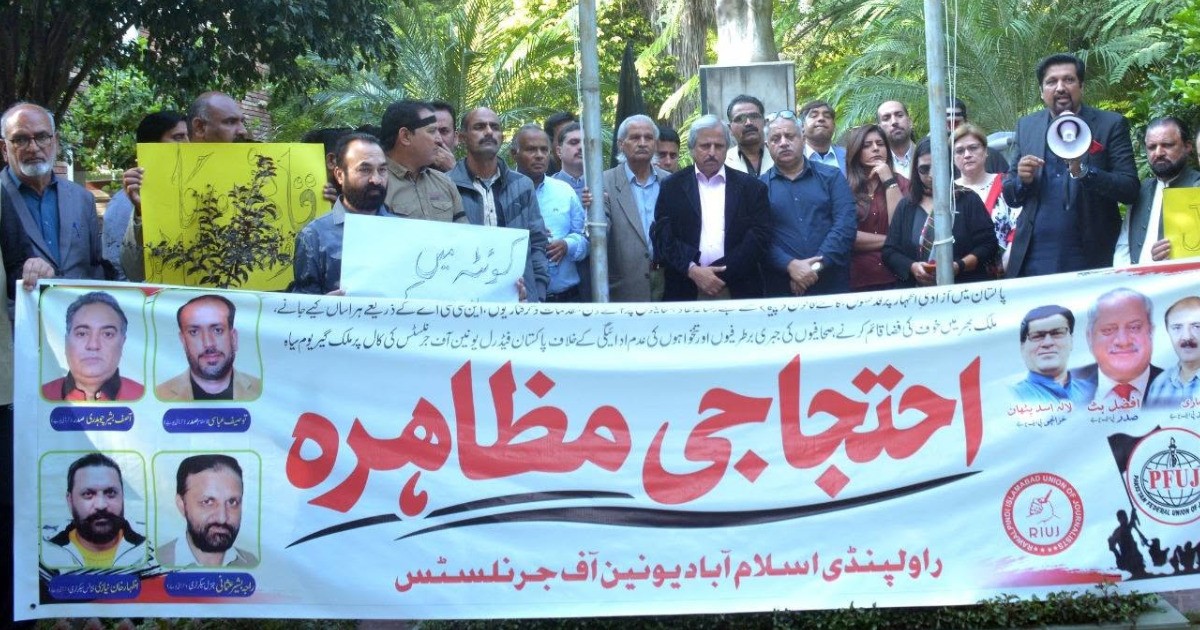
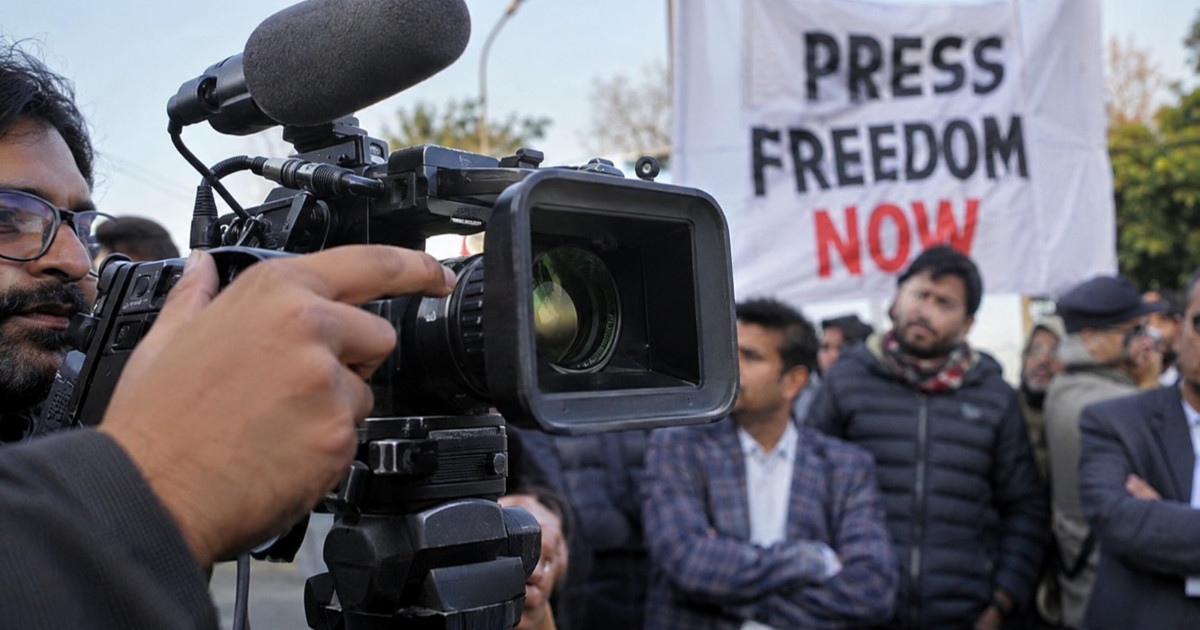
Bemoaning the fact that 80 journalists have been killed since 2002, the bill regrets none of the killers has been nabbed or sentenced. The International Federation of Journalists says Pakistan is now the most dangerous country in the world for journalists – a situation worsened due to the high level of impunity for crimes against journalists. Of 100 cases of journalist killings since 2000 there have been only two prosecutions.
Unless backed by the treasury benches, mostly the private members’ bills lapse in the National Assembly. However, in the previous 13thNational Assembly, a number of bills moved by private members were approved by the House.
Key Points
- Bill proposes a National Press Council for journalist issues.
- Supreme Court may inquire about journalists' sources under certain conditions.
- Focus on improving the safety and rights of journalists, especially women.
- Calls for government support in line with constitutional rights.
- Attempts to create a conducive environment for media professionals.
Relevant Topics
Ask AI: Understand this story your way
AI EnabledDig deeper, ask anything — get instant context, background, and clarity.
Disclaimer: This feature is powered by AI and is intended to help readers explore and understand news stories more easily. While we strive for accuracy, AI-generated responses may occasionally be incomplete or reflect limitations in the underlying model. This feature does not represent the editorial views of JournalismPakistan. For our full, verified reporting, please refer to the original article.