
Three citizen journalists vanish in China; authorities tighten controls amid COVID-19 crisis
JournalismPakistan.com | Published: 11 March 2020
Join our WhatsApp channel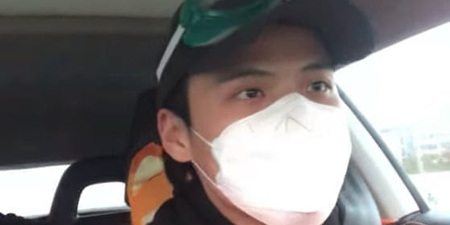
At least three citizen journalists in China have gone missing after reporting on COVID-19. The International Federation of Journalists is calling for their immediate release and highlights the importance of transparent information.Summary
The number of citizen journalists to disappear in China in the last month after reporting on COVID-19 has risen to at least three, with reports that former journalist Li Zehua was arrested on February 26.
The International Federation of Journalists (IFJ) said the disappearances are a grave concern for the international media community and urges China’s authorities to provide transparent information on their whereabouts and grant their immediate release. It also reminded on the vital need to respect the international community’s right to information. Li Zehua, a citizen journalist in Wuhan who had been reporting about the reality of life inside Wuhan since its lockdown, had uploaded a video of being chased and arrested on February 26. He has not been heard of since then. Li, who previously worked at China’s state broadcaster CCTV, came to Wuhan independently and uploaded a video on YouTube of him being chased. Wearing a facemask underneath a baseball cap, he recorded the video while driving. He is recorded as saying: “I’m on the road and someone, I don’t know, state security, has started chasing me. I’m driving very fast. Help me.” The final part of the video shows two men in plain clothes entering an apartment and then cuts out. According to news reports, the live stream was posted on Weibo, but later deleted. It is now posted on YouTube. Three Chinese citizen journalists, who had live-streamed updates from the locked-down city of Wuhan, its hospitals and quarantine centres, disappeared over the past month. The IFJ issued a statement on the disappearances of businessman Fang Bin and lawyer Chen Qiushi on February 11.
Freedom House said today that “all three have vanished into some form of custody, detained by police or possibly quarantined despite their reported good health.” Other than the disappearances and possible arrests of citizen journalists, the IFJ has documented reports of online media being censored, including We Tencent’s website and WeChat account which disappeared after publication of an article “The 50 days of Wuhan pneumonia: Chinese people are all paying the price of the death of media.” Taking effect from March 1, China’s authorities stated ‘content should be mainly positive, uplifting and devoid of rumours.’ According to reports, the regulations also list examples of what is unacceptable—content “harming national honour and interests,” “spreading rumours, disrupting economic and social order,” “content that embodies sexual innuendo … horror and brutality, vulgarity” and “inappropriate commentary on natural disasters and major accidents.” It will also hold service providers, content producers and service users accountable for such content. Media reports, updates from human rights groups, and posts on local government websites indicate that similar measures are being taken by authorities far from Wuhan, according to Freedom House. It noted the cases in Shandong province of prodemocracy activist Ren Ziyuan, who was sent to 15 days of administrative detention for criticizing the government’s management of the epidemic online, and Tan Zuoren, an online activist and former political prisoner in Sichuan Province, who was visited by police and had WeChat social media account frozen. In Nanjing, former professor Guo Quan was arrested for “inciting subversion of state power” for publishing articles with information related to the outbreak. Chinese Human Rights Defenders documented over 450 cases of ordinary netizens who were detained for supposedly spreading “rumors” , and Freedom House said there was increasing evidence of intimidation efforts reaching beyond China’s borders, with journalists reporting cases of Chinese WeChat users in the United States, Canada, France, Australia, and elsewhere being threatened or having their social media accounts silenced. The IFJ remains concerned about the increasing control over the internet and the continued and persistent crackdown of citizen journalists both in China and beyond. The IFJ said: “It is critical at this point to reiterate that access to well-informed reporting and information from journalists and experts is vital, especially during this emergency period. Journalists, including citizen journalists, are an important source of information on the ground and their safety and access should be ensured. IFJ urges for the immediate release of Li Zehua, Fang Bin and Chen Qiushi and to caution on any legislation that will suppress information and, by default, endanger the broader public amid the coronavirus outbreak.”—IFJ media release
KEY POINTS:
- Three citizen journalists are reported missing in China after covering COVID-19.
- Li Zehua, a journalist from Wuhan, has not been heard from since his arrest on February 26.
- The International Federation of Journalists urges China to ensure journalists' safety and access to information.
- Chinese authorities are tightening media controls and censoring content related to the virus outbreak.
- Reports indicate cases of intimidation against journalists and activists both domestically and internationally.