
RSF names Imran Khan among 37 'predators of press freedom'
JournalismPakistan.com | Published: 5 July 2021
Join our WhatsApp channel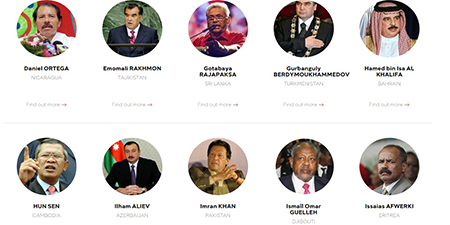
Reporters Without Borders has listed Imran Khan among 37 global leaders undermining press freedom. The organization criticized Khan's government for severe media oppression and intimidation of journalists.Summary
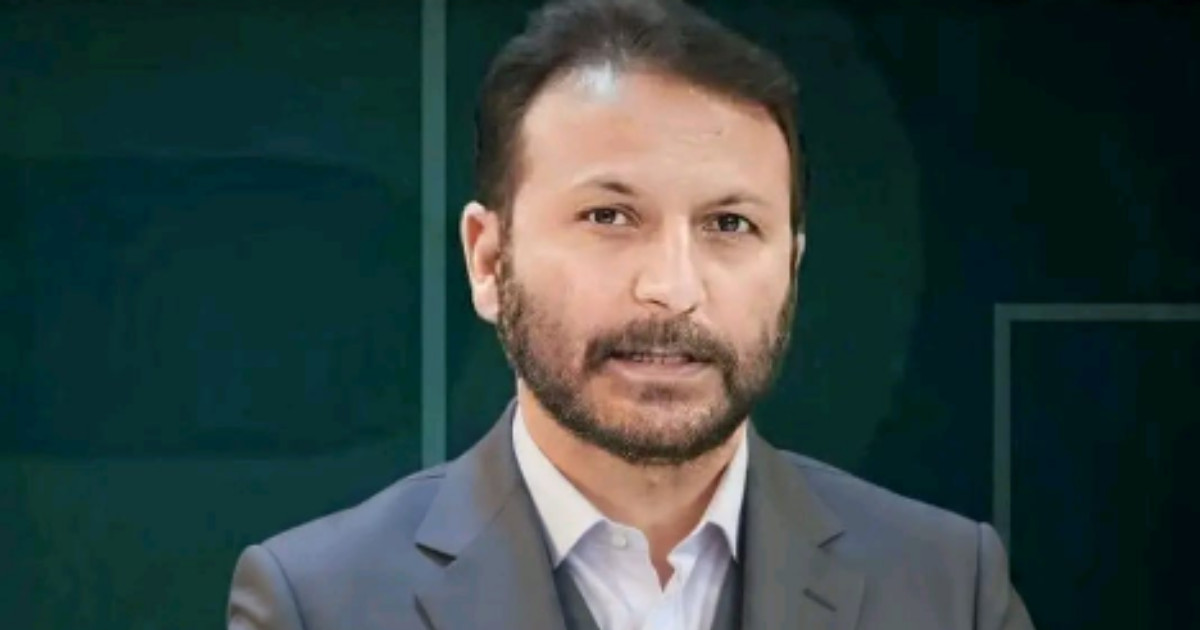
ISLAMABAD—Prime Minister Imran Khan has been included in the Reporters Without Borders’ gallery of grim portraits of “37 heads of state or governments who crack down massively on press freedom.”
RSF calls these 37 leaders “predators of press freedom.”
“There are now 37 leaders from around the world in RSF’s predators of press freedom gallery and no one could say this list is exhaustive,” RSF Secretary-General Christophe Deloire said. “Each of these predators has their own style. Some impose a reign of terror by issuing irrational and paranoid orders. Others adopt a carefully constructed strategy based on draconian laws. A major challenge now is for these predators to pay the highest possible price for their oppressive behaviour. We must not let their methods become the new normal.”
The prime minister has been described as “predator since taking office.”
Discussing Prime Minister Khan’s portrain, RSF maintained that he has come into power with the help of military. In the run-up to the 2018 general elections, RSF said in the shadows, behind candidate Khan, the military reasserted the “deep state,” a euphemism for what in Pakistan means permanent supremacy of the armed forces and the feared military intelligence agency, Inter-Services Intelligence (ISI), over civilian power.
“With his ideological mix of populism and religious conservatism, Khan was seen as the ideal candidate to look good on the public stage without ever questioning the all-powerful military’s authority behind the scenes.”
RSF said cases of brazen censorship are legion since Khan became prime minister. “Newspaper distribution has been interrupted, media outlets have been threatened with the withdrawal of advertising and TV channel signals have been jammed. Journalists who cross the red lines have been threatened, abducted and tortured.” In the shadows, behind Khan in the limelight, Pakistan is reliving some of the worst moments of its past military dictatorships, RSF said.
It said the critics of the current set up have been threatened. “Stop covering annoying stories or your family won’t see you alive again. This, in substance, is the message given to the many journalists and bloggers who have been the targets of kidnappings and death threats since Khan became prime minister. Even those who have chosen to live abroad for security reasons have been subjected to intimidation attempts and physical attacks in the countries where they thought they had found a refuge.”
Under the rule of Prime Minister Khan, it said freedom on cyber space has also been restricted. “Cyberspace, the last sanctuary for free speech and freely-reported news and information, is being subjected to increasingly draconian censorship measures by Khan’s government, while troll armies harass and vilify all journalists and bloggers who dare express criticism, automatically labelling them as anti-Pakistan, anti-military and... anti-Khan. The circle is complete.”
The predators’ list also includes Bangladesh Prime Minister Hasina Wajid, Indian Prime Minister Narenda Modi, Russian President Validmir Putin, Saudi Crown Prince Mohammed bin Salman, Brazilian President Jair Bolsonaro, Hungarian Prime Minister Viktor Orbán, Chief Executive of the Hong Kong Special Administrative Region Carrie Lam, Syria’s President Bashar al-Assad, and Chinese President Xi Jinping.
KEY POINTS:
- Imran Khan included in RSF's predators list of press freedom.
- Severe censorship and intimidation reported under Khan's rule.
- Journalists face threats, kidnappings, and torture for dissent.
- Khan's government restricts freedom in cyberspace.
- The list includes other authoritarian leaders globally.