
Dedicated to our better halves
JournalismPakistan.com | Published: 13 May 2012 | Steve Manuel
Join our WhatsApp channel
A columnist recalls his time on night shifts at the Khaleej Times and the toll irregular hours took on family life. He highlights the often-unseen support journalists’ wives provide and notes growing risks faced by media workers.Summary
My Indian journalist friend and former colleague from the Khaleej Times, Asifullah Khan, has a wry sense of humor. Ironically, he would and could find something amusing when nobody else could.
For those of us who worked the day shift (12 noon to 8 pm) Asif, who was part of the magazines’ team, could easily brighten up the dullest of days with a few quick-witted remarks, something the rest of us sorely missed on the night shift. Now Asif was not a night person, not by a long shot.
Indeed, not until he was roped and coerced into doing ‘time’ at the news desk courtesy our good old Chief Sub Sam Varghese who I long suspect took pleasure at this achievement in a sadistic sort of way.
About two months of doing night shifts (6 pm to 3 am) later, Asif declared one evening with a straight face: “I have to do more day shifts.” “Why?” some of us asked, knowing full well that Asif was a day person and probably missed his magazine colleagues and the more youthful, lively, vociferous staff. A few of us grinned.
“Because this Saturday, when I came down to the breakfast table, my son, who is four, said, ‘Again this uncle is here!’” Saturday was Asif’s day off. We all had a good laugh at the time. “My wife did not find it funny…” he added softly. I remember when I told my wife the story she did not find it funny either.
“Asif was just stating a fact,” she said, “You won’t understand.” Looking back now I realize just how hard those times were for us that worked on the night shift at the Khaleej Times and just how much harder it must have been on our wives. I can certainly recall mine waiting up till 3.30am for me, heating my ‘late dinner’ and giving me a good cup of tea.
She didn’t have to, but she did. Getting home at 3.30am meant most of us did not go to sleep before 5.30am or thereabout every morning, often getting up at around 11 am, eating lunch, doing a few odd jobs and then going back to sleep before setting off for the office. In between, the kids’ school times clashed with our resting time.
We hardly got the time to see them; hence the validity of Asif’s story. But I have since learned that journalists’ wives do much the same in Pakistan. They take the kids to school, get household supplies, take care of the utility bills, cook and even put up patiently with the office stories their husbands bring home. Night duty is not easy on the family.
Indeed, many journalists who work in the day will tell you that they never know when they will be home; their work can take them anywhere anytime. Sometimes, that can be even more unsettling. Some journalist friends who married other journalists thinking they would understand, being in the same profession and all, discovered much to their despair that it doesn’t always work out. I said some.
I know at least two journalist couples who are living happily wedded lives. The rest, not so.
One reporter, in his mid-twenties, sheepishly came to me one day and said: “Sir, do you think I could be successful doing some other job?” “You don’t want to be a reporter?” I asked, “How about I bring you to the news desk?” “Oh no sir,” he said, “You don’t understand.
I mean if I were to leave journalism, do you think I could be successful doing something else.” He looked deeply troubled. “The wife?” I asked. He nodded. “Do what she says,” I advised him, “or be a journalist.” Three days later he resigned.
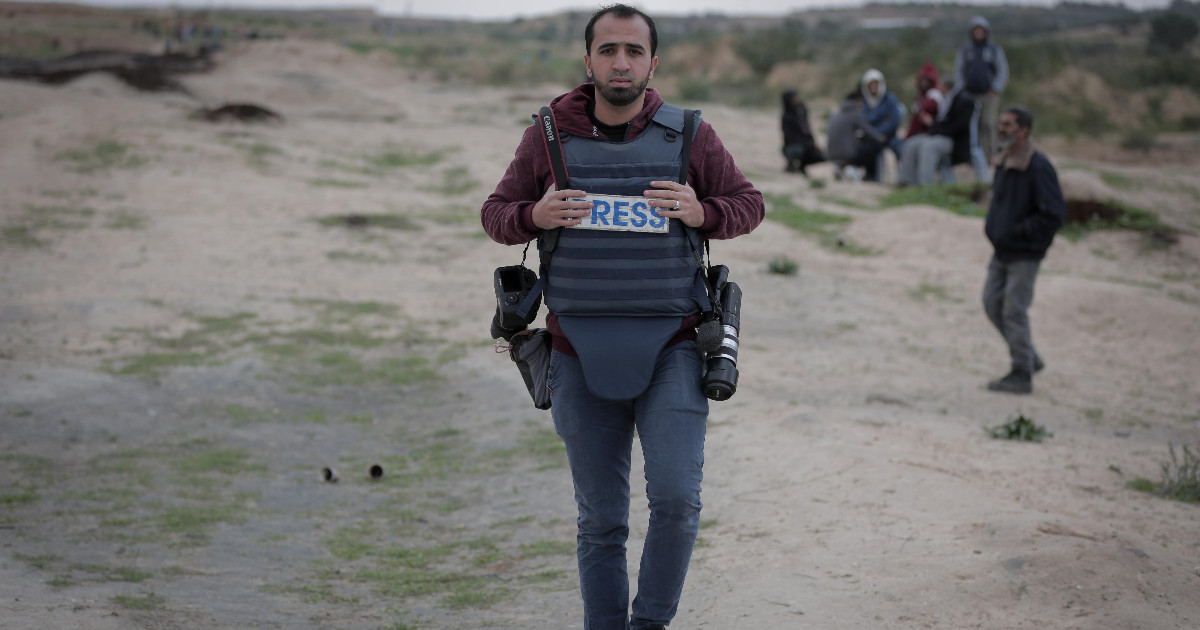
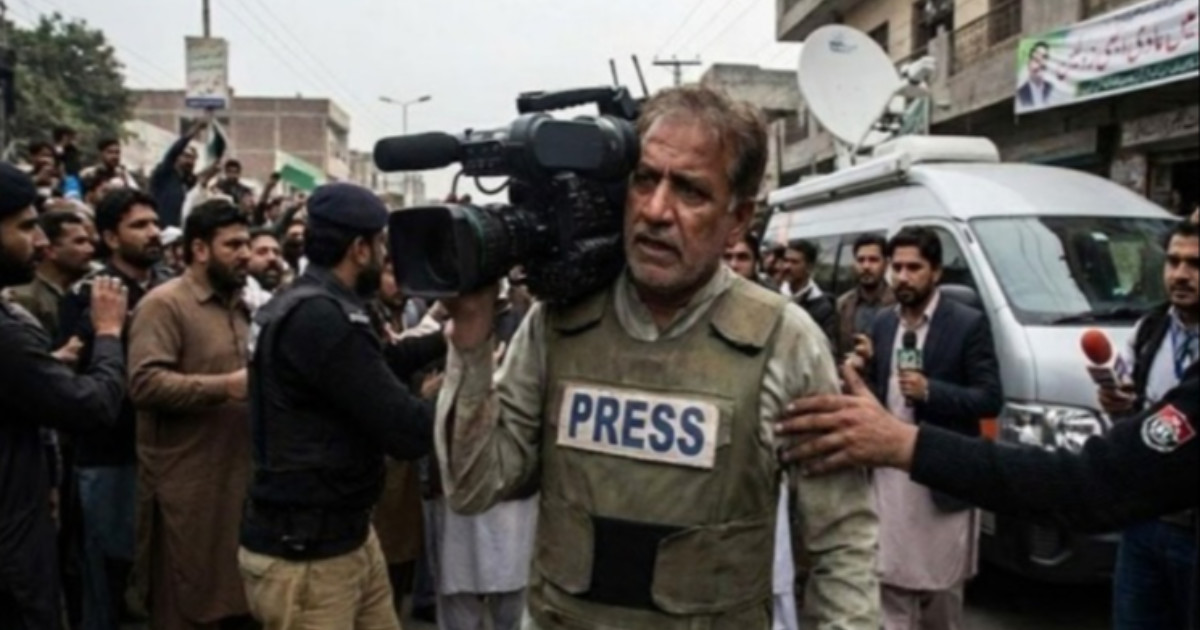
On the other hand, there are those journalists’ wives who have learned to support their husbands full time in deeds and thoughts. Journalism is not the safe job it once was. Last year we lost half a dozen media men, other disappeared were beaten up or tortured, their families threatened.
Just spare a thought for those wives and what they must go through on a daily basis knowing their husband gave his life in the line of duty or is suffering because of something he wrote. Interesting thing is that journalists’ wives are very well informed.
They have an excellent handle on current affairs, world news and an even better idea of what’s actually happening at the office; they are better at interpreting office politics than most of their husbands. Think off those journalists who have been laid off or face the axe because of office policies or the whims of their bosses or just because of plain vindictiveness.
Newspapers and television channels in Pakistan have not been easy places to work recently. Imagine the burden the husband takes home… and guess who he shares it with? Today, I just wanted to say that not only are all those special women the wives of journalists but also mothers. They need to be remembered and appreciated. It’s not everybody that can put up with a journalist and his lifestyle!
Key Points
- Anecdotes from newsroom colleagues illustrate how night shifts strain family time and routines.
- The piece emphasizes the practical and emotional support provided by journalists’ wives.
- It notes that unpredictable schedules affect both day and night duty journalists.
- Some journalists leave the profession due to family pressures and work-life challenges.
- The author references increasing dangers for media workers and the impact on their families.
Relevant Topics
Ask AI: Understand this story your way
AI EnabledDig deeper, ask anything — get instant context, background, and clarity.
Disclaimer: This feature is powered by AI and is intended to help readers explore and understand news stories more easily. While we strive for accuracy, AI-generated responses may occasionally be incomplete or reflect limitations in the underlying model. This feature does not represent the editorial views of JournalismPakistan. For our full, verified reporting, please refer to the original article.