
CBS airs previously shelved 60 Minutes Cecot prison report Bangladesh journalists fear heightened threats ahead of 2026 polls Press freedom concerns grow as threats to journalists rise in Indonesia How editors decide what not to publish on quiet news days Siasat.pk shuts Islamabad office as pressure mounts Tennessee court expands media access to executions IPI urges probe into smear campaign against Romanian reporter Widow of Arshad Sharif alleges renewed harassment in Islamabad Iran internet shutdown fears grow amid protests and controls INMA Global Media Awards seek entries CBS airs previously shelved 60 Minutes Cecot prison report Bangladesh journalists fear heightened threats ahead of 2026 polls Press freedom concerns grow as threats to journalists rise in Indonesia How editors decide what not to publish on quiet news days Siasat.pk shuts Islamabad office as pressure mounts Tennessee court expands media access to executions IPI urges probe into smear campaign against Romanian reporter Widow of Arshad Sharif alleges renewed harassment in Islamabad Iran internet shutdown fears grow amid protests and controls INMA Global Media Awards seek entries
Logo
Janu
Cricket insights like no other

Veteran journalist and broadcaster Syed Shahid Hashmi laid to rest in London

 JournalismPakistan.com |  Published: 4 February 2017

Join our WhatsApp channel
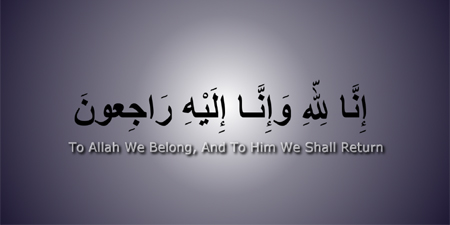
Veteran journalist and broadcaster Syed Shahid Hashmi laid to rest in London
Syed Shahid Hashmi, a notable Pakistani journalist and broadcaster, passed away on February 1 in London. He was honored at his burial in the Gardens of Peace cemetery.

ISLAMABAD - Veteran journalist, broadcaster and poet Syed Shahid Hashmi passed away in a London hospital following a brief bout of pneumonia on February 1. He was laid to rest at the Gardens of Peace cemetery.

According to a post on his son Faraz Hashmi's Facebook timeline, he brought a distinct pride to the entire family when the first Martial Law was declared in October 1958. Shahid Hashmi, along with four others was the first to be arrested for being “enemy of the state”. His charge-sheet before the Magistrate read: “Was found writing slogans against the Glorious October Revolution on the trees of Liaquat Bagh, Rawalpindi”.

As a leader of the Jang Workers Union, his long struggle against the oppressive press owners earned Shahid Hashmi a distinct mark. It was 1970 as he, along with others, had gone on a hunger strike against the exploitation of daily wage journalists and press workers. Zulfiqar Ali Bhutto, then on his election campaign happened to be in Rawalpindi. While visiting the camp of protesting journalist workers, ZAB raised Hashmi’s hands in the air to quip his famous remark “Jang say hamari jang rahay gee (we will continue our fight against the oppression of newspaper owners).

This struggle remained part and parcel of Shahid Hashmi's life. Once, while negotiating his role in a PTV play, he noticed the producer's rowdy behavior with a budding actor. He would not take it. No one could exploit anyone in his presence. The poor producer was promptly put to the mat.

A broadcaster par excellence, his entire showbiz career remained hostage to his trade-unionism. No wonder, the management never wanted him while he was the people's chosen voice. He was the brother of late Syed Ashraf Hashmi, himself a journalist of repute.

Shahid Hashmi's son Faraz works with the BBC in London and years ago was associated with Dawn in Islamabad.

The deceased was uncle of Syed Shamoon Hashmi, Joint Secretary National Assembly Secretariat and Syed Zafar Hashmi, Chief Reporter of Daily Dunya.

KEY POINTS:

  • Syed Shahid Hashmi died due to pneumonia in a London hospital.
  • He was known for his activism against oppressive press owners.
  • Hashmi was one of the first arrested during Pakistan's first Martial Law.
  • He led hunger strikes to advocate for journalists' rights in 1970.
  • His son, Faraz Hashmi, works with the BBC in London.
Don't Miss These

Newsroom
CBS airs previously shelved 60 Minutes Cecot prison report

CBS airs previously shelved 60 Minutes Cecot prison report

 January 19, 2026 CBS aired a shelved 60 Minutes report on El Salvador's CECOT prison, reigniting debate over editorial independence and alleged migrant abuses.


Bangladesh journalists fear heightened threats ahead of 2026 polls

Bangladesh journalists fear heightened threats ahead of 2026 polls

 January 19, 2026 A study finds Bangladeshi journalists expect heightened physical and digital threats ahead of the 2026 elections, citing safety gaps and weak newsroom support.


Press freedom concerns grow as threats to journalists rise in Indonesia

Press freedom concerns grow as threats to journalists rise in Indonesia

 January 19, 2026 A Jakarta Post report found 89 incidents in 2025 of violence, digital harassment and censorship against Indonesian journalists, raising alarm over press freedom.


How editors decide what not to publish on quiet news days

How editors decide what not to publish on quiet news days

 January 18, 2026 On slow news days editors withhold pieces lacking relevance, accuracy or public interest, and avoid publishing material that raises legal or ethical risks.


Tennessee court expands media access to executions

Tennessee court expands media access to executions

 January 17, 2026 A Tennessee judge ordered broader media access to executions, requiring curtains remain open during key procedures while safeguarding execution team identities.


Popular Stories