
US border searches of journalists raise press freedom concerns
JournalismPakistan.com | Published: 2 August 2026 | JP Global Monitoring
Join our WhatsApp channel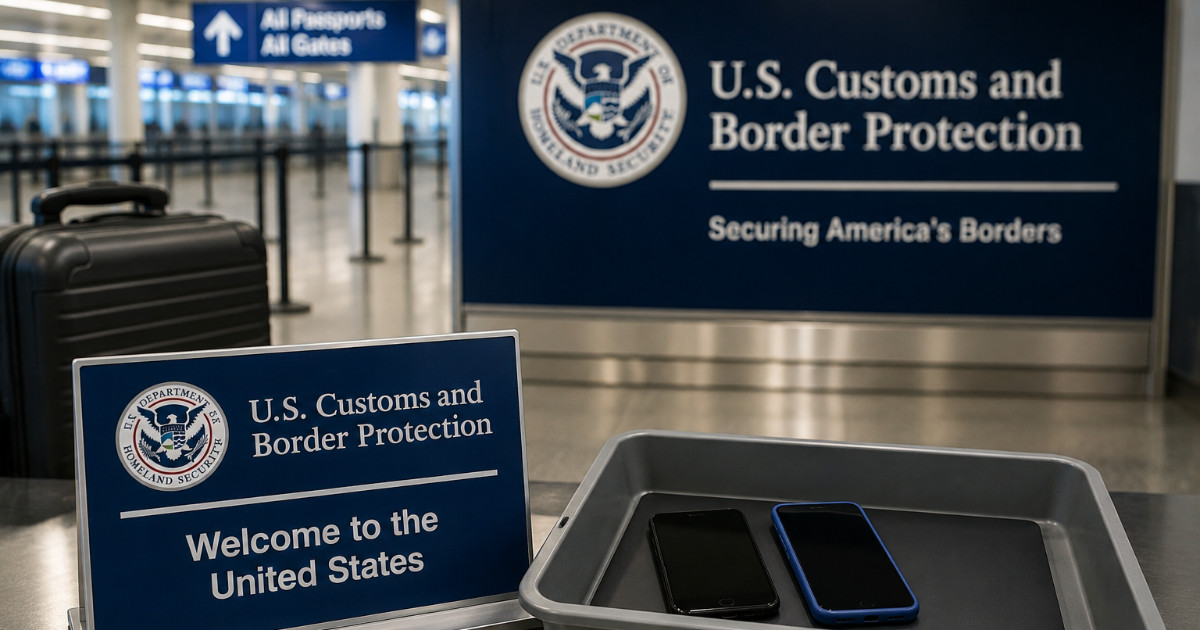
A federal judge demanded the U.S. government explain how agents handled phones seized from journalist Max Blumenthal at the border, raising press freedom concerns that such searches threaten reporters' privacy and source protection.Summary
NEW YORK — Press freedom advocates are raising fresh concerns over the Trump administration's use of border inspections after a federal judge ordered the U.S. government to explain what happened to electronic devices seized from independent journalist Max Blumenthal upon his return from Iran.
The case has become a focal point in a broader debate over the balance between border security powers and constitutional protections for journalists, particularly the confidentiality of sources and the privacy of digital communications. Advocates argue that the seizure of reporters' electronic devices risks chilling investigative journalism and undermining press freedom.
Federal judge seeks answers
Blumenthal, founder and editor of The Grayzone, was stopped by U.S. Customs and Border Protection officers at Washington Dulles International Airport on July 10 after returning from reporting in Iran. According to court filings and his legal team, officers questioned him about his reporting, travel arrangements, and contacts before demanding access to two mobile phones.
After Blumenthal declined to provide passcodes, agents seized both devices while allowing him to keep his laptop and cameras. The phones were returned roughly a week later, shortly after the American-Arab Anti-Discrimination Committee (ADC) filed an emergency motion seeking their return.
Despite the devices being returned, U.S. District Judge Leonie M. Brinkema declined to treat the dispute as resolved. During a recent hearing, she directed the government to provide, within 14 days, a detailed accounting of who handled the phones, when they were accessed, and what actions, if any, were performed on them.
According to reporting by The Guardian, Brinkema indicated that advanced forensic searches of mobile phones generally raise significant Fourth Amendment issues and suggested that such searches ordinarily require a warrant. She also noted the heightened constitutional concerns when the individual involved is a journalist whose devices may contain confidential reporting materials and source information.
Concerns over press freedom
Press freedom organizations say the case illustrates growing concern over the treatment of journalists at U.S. borders.
Seth Stern, director of advocacy at the Freedom of the Press Foundation, told The Guardian that the administration appeared to be using border authorities as another means of targeting journalists whose reporting it opposes, describing the situation as presenting "serious constitutional problems."
The ADC, which represents Blumenthal, has argued that the seizure endangered confidential journalistic material and could discourage reporters from protecting sensitive sources. The organization has also warned travelers, particularly journalists returning from countries subject to heightened U.S. scrutiny, about increasing demands by border officials to inspect electronic devices.
The case follows other recent legal disputes involving government efforts to obtain journalists' communications or electronic devices, adding to concerns among media organizations about protections traditionally afforded to newsgathering activities.
The U.S. government has maintained in court that it was unable to access Blumenthal's phones before returning them. The litigation will now focus on whether forensic examination was attempted and whether any constitutional protections were violated during the seizure.
ATTRIBUTION: Based primarily on reporting by The Guardian (August 1, 2026), together with publicly available court filings and statements from the American-Arab Anti-Discrimination Committee.
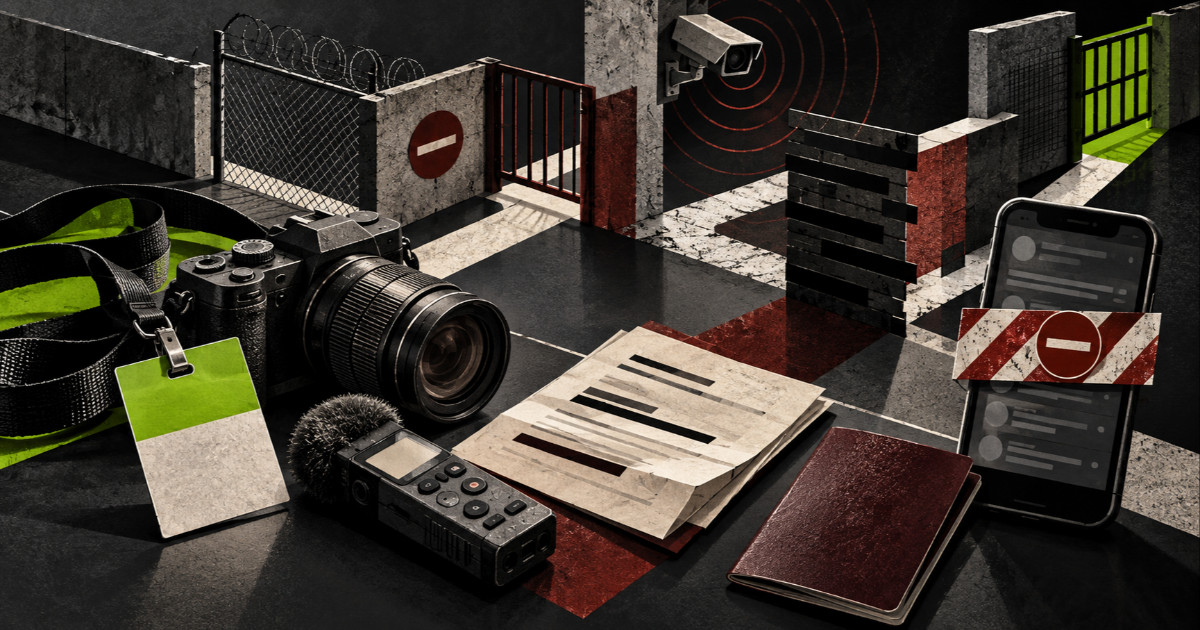
PHOTO: AI-generated; for illustrative purposes only.
Key Points
- Max Blumenthal was stopped at Dulles airport after returning from Iran and questioned by CBP officers.
- Officers seized two mobile phones when Blumenthal refused to provide passcodes.
- A federal judge ordered the government to explain who accessed the devices and what was done with the data.
- The phones were returned about a week later after an emergency motion by the ADC.
- Advocates warn such border device searches could chill investigative journalism and source confidentiality.
Key Questions & Answers
What happened to Max Blumenthal at the border?
CBP officers stopped him at Washington Dulles, questioned him about his reporting and contacts, and seized two mobile phones when he declined to provide passcodes.
Why did a federal judge intervene?
The judge ordered the government to explain who accessed the seized devices and what actions were taken, seeking transparency despite the phones being returned.
Were the devices returned to Blumenthal?
Yes, the phones were returned roughly a week later after the American-Arab Anti-Discrimination Committee filed an emergency motion for their return.
What are the press freedom concerns?
Advocates say seizures of reporters' devices risk exposing confidential sources and chilling investigative reporting, creating tension between border security and constitutional protections.
Relevant Topics
Ask AI: Understand this story your way
AI EnabledDig deeper, ask anything — get instant context, background, and clarity.
Disclaimer: This feature is powered by AI and is intended to help readers explore and understand news stories more easily. While we strive for accuracy, AI-generated responses may occasionally be incomplete or reflect limitations in the underlying model. This feature does not represent the editorial views of JournalismPakistan. For our full, verified reporting, please refer to the original article.