.jpg)
Malaysia's new Twitter police target critics of PM Najib
JournalismPakistan.com | Published: 8 February 2016
Join our WhatsApp channel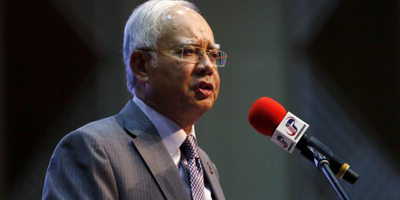
Malaysian police are issuing warnings to social media critics of Prime Minister Najib Razak as he faces political turmoil. Many citizens are voicing their frustration online, prompting the government's unusual response to dissent.Summary
KUALA LUMPUR: Digitally savvy Malaysian police have been taking to social media to issue warnings to critics of scandal-hit Prime Minister Najib Razak in an unusual online campaign that critics say is unlikely to work.
Najib is facing the biggest political crisis in his seven-year premiership over a multi-billion dollar scandal at state fund 1Malaysia Development Berhad (1MDB) and over deposits of $681 million in his private bank account. Najib, chairman of the 1MDB advisory board, has denied any wrongdoing and says he did not take any money for personal gain.
Attorney General Apandi Ali last week closed investigations of Najib and said the $681 million was a donation from a Saudi Arabian benefactor and most of it had been returned. That has not stopped Malaysians taking to social media to voice their exasperation. A caricature of Najib with a clown face and the words "in a country full of corruption, we are all seditious", was widely shared recently.
The police responded within hours, with an online warning to the artist who drew it, Fahmi Reza, telling him they were watching his Twitter account and he should use it "prudently and in line with the law", he said. "The ruling elite of this country has always been intolerant to dissent. They're always afraid of losing their throne," Fahmi said. "But the people have changed.
The culture of protest and resistance is growing stronger." Fahmi was not the first person to be warned over social media comment as the police for the first time make use of Twitter to identify people who are being watched and caution them about repercussions.
"Action will be taken against individuals who spread false information," is a typical warning to appear on Twitter, often accompanied by the Twitter handle of the person it is being directed at.
Responding to criticism of the attorney general's decision to drop the investigations of Najib, police told another Twitter user: "Investigations will be carried out on the posts made by the owner of this Twitter account".
A police spokeswoman confirmed that the Twitter account issuing the warnings was an official Malaysian cyber unit account but she declined to comment on specific warnings, such as the one issued to Fahmi. She referred queries to the head of the police cyber unit but he declined to make any immediate comment. The Home, or interior, Ministry which is in charge of the unit, did not respond to a request for comment.
Najib has taken steps that critics say are aimed at stemming opposition. He sacked a deputy prime minister who was critical of him, replaced a former attorney-general and authorities have suspended some media and blocked websites. Asked to comment on criticism of suppression of dissent, Minister of Communications Salleh Said Keruak said police and the communications regulator were enforcing the law.
"It is not a crackdown. We are just doing the ordinary enforcement," he said, adding that authorities had taken action in nearly 3,000 cases last year under a telecommunications and multimedia act. Human Right Watch said last month that Malaysia's human rights situation had deteriorated sharply in 2015, as the government stepped up a campaign of harassment and repression.
The government did not respond directly to that report but it denies violating rights. Fahmi responded to his warning by reposting the clown and with a new sketch of the police with hashtag #BigBrotherIsWatchingYou. No further action was taken against him while other artists expressed solidarity by sharing the clown sketch with the hashtag #KitaSemuaPenghasut, or "we are all seditious" in Malay.
Najib's Facebook page has over the months been flooded with criticism and calls on him to resign. A former cabinet minister, Rafidah Aziz, said in a Facebook post on Monday that cracking down online would not work. "It is so very naive to think that shutting down blogs and intervention in social media will actually stop people from talking," she said. Salleh said the authorities took the law seriously.
"It is an offence ... to upload any comment, request, suggestion or other communication which is obscene, indecent, false, menacing or offensive in character with intent to annoy, abuse, threaten or harass another person," Salleh said. - Reuters
Key Points
- Malaysian police are monitoring social media for criticism of PM Najib Razak.
- Najib faces serious allegations related to the 1MDB scandal and misuse of funds.
- A Twitter warning issued to an artist highlights the government's crackdown on dissent.
- Authorities deny violating rights despite criticism from Human Rights Watch.
- Critics argue that online repression will not stifle public discourse.
Relevant Topics
Ask AI: Understand this story your way
AI EnabledDig deeper, ask anything — get instant context, background, and clarity.
Disclaimer: This feature is powered by AI and is intended to help readers explore and understand news stories more easily. While we strive for accuracy, AI-generated responses may occasionally be incomplete or reflect limitations in the underlying model. This feature does not represent the editorial views of JournalismPakistan. For our full, verified reporting, please refer to the original article.