.png)
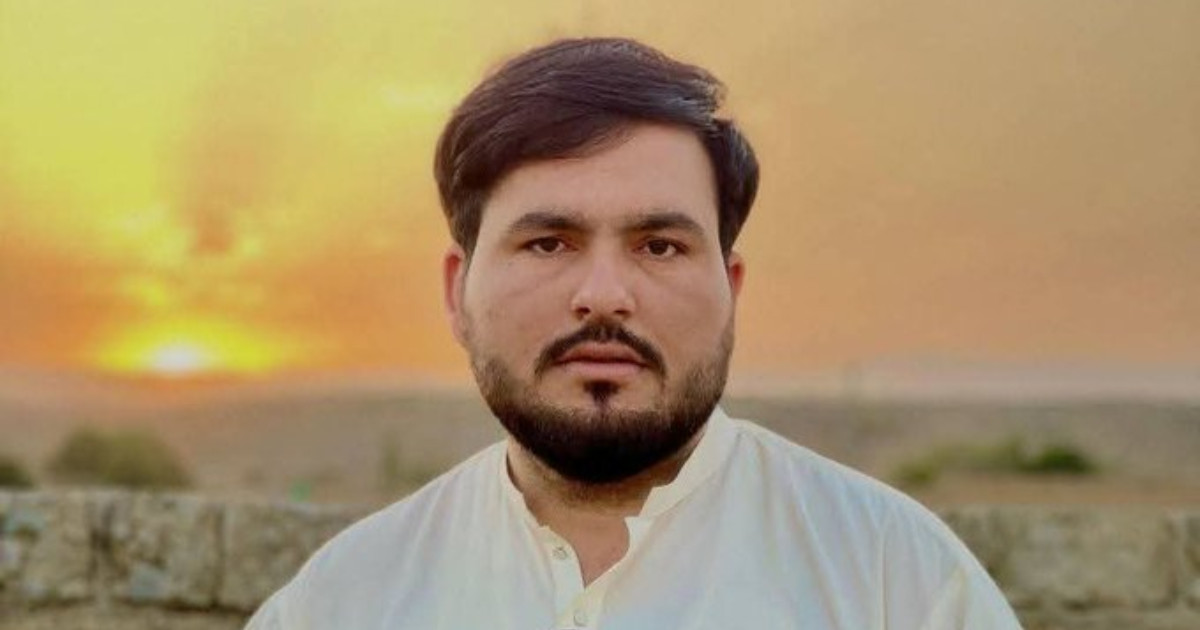
Nasir Zaidi
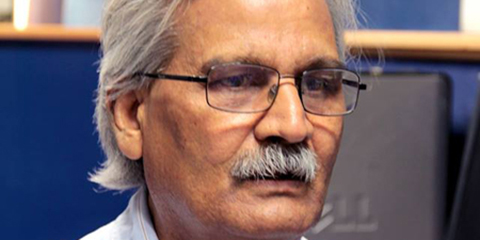
On May 13, 1978, four journalists courted arrest at the offices of Musawaat, among them was Nasir Zaidi, a quiet, unassuming and physically frail individual.
They were driven away in chains for standing up to Dictator Ziaul Haq’s high-handedness in dealing with media rights and freedom.
The four were produced before a summary military court headed by a young major and within minutes, he had not only completed his summary proceeding, but sentenced the journalists to imprisonment and flogging.
Within one hour of passing the sentence the four were flogged. Taken to the Kot Lakhpat Jail, each man was stripped to his waist, spreadeagled and lashed five times with a yard of plaited leather thong dipped in oil.
"After the sentence was carried out, I was given the option of being taken out on a stretcher but I rejected it, preferring to show my captors my spirit could not be broken,” said Zaidi.
All four were then taken to hospital in chains and manacled to their hospital beds. Zaidi and his three fellow journalists were declared Prisoners of Conscience by Amnesty International.
That was more than 33 years ago and the story has become the stuff of legends. Zaidi and his group stood up for media freedom. They were unyieldingly brave and dedicated and they are remembered and revered to this day.
Zaidi, who has been associated with The News, Islamabad is greatly respected for his bravery which serves as an example for the new generation of media.
His integrity is such he is regularly asked by journalist bodies like the Pakistan Federal Union of Journalists (PFUJ), Rawalpindi-Islamabad Union of Journalists (RIUJ) and the Press Club to conduct their elections. – JournalismPakistan.com
Saleem Asmi
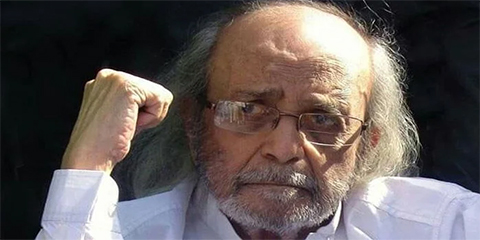
Beginning his journalistic career in 1959, Saleem Asmi joined The Times of Karachi as a sub-editor. Like most journalists from his era, he became part of The Pakistan Times, becoming the newspaper's city editor.
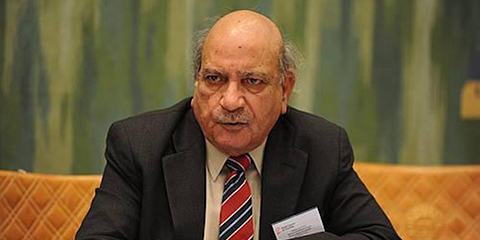
I A Rehman
A senior journalist and human rights activist, I A Rehman is known for his outspoken views. He served as editor-in-chief of The Pakistan Times from 1989-90. Since 1990 he has been serving as a director

Ardeshir Cowasjee (1926-2012)
Businessman, philanthropic and outspoken columnist, Ardeshir Cowasjee was regarded as an 'old guardian' of Karachi city. Cowasjee belonged to a well-known Parsi family of Karachi
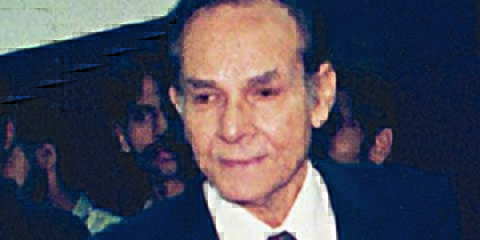
Ahmed Ali Khan (1924-2007)
Born in 1924 in Bhopal, Ahmed Ali Khan's association with Dawn began in Delhi in 1946 and ended in Karachi in 2004. He remained with the newspaper for nearly 42 years - 28 of them as editor

Yusuf Lodhi (Vai Ell) (1938-1996)
Yusuf Lodhi, an accidental but acerbic cartoonist, who introduced a new form of political caricature in Pakistan, joined the world of journalism in 1969 as assistant editor of Peshawar Times.
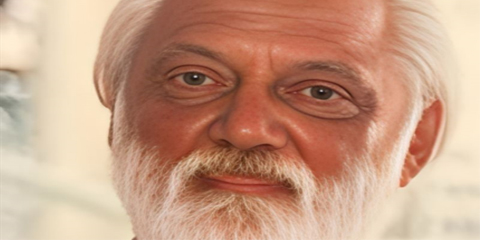
Imtiaz Sipra (1938-2001)
White hair flying with the first touch of air, drooping moustache pure silver with a touch of brown in the middle - brown due to burnt hair because of excessive smoking, Imtiaz Sipra was a phenomenal writer.
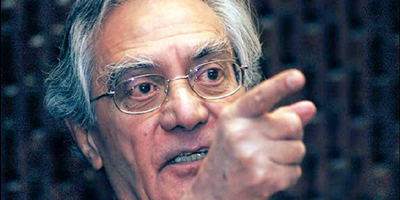
Aslam Azhar (1932-2015)
Born on 2 September 1932, Aslam Azhar is remembered as the founding father of Pakistan Television. After earning a law degree from Cambridge University, he chose not to pursue a legal career but instead immersed himself in the world of performing arts.
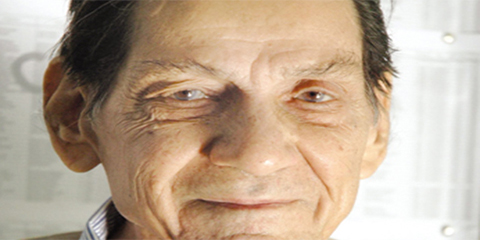
Minhaj Barna (1925-2011)
The death of Minhaj Barna in Rawalpindi at the age of 87 on January 14, 2011 marked the end of an era.Even journalists who had never met him in person were familiar with his name and his
Newsroom

Pele to Messi: How World Cup finals wrote football's greatest story
June 15, 2026 From Pele to Messi, World Cup finals shaped football's global story, tracing triumphs and heartbreaks and showing how the game became a shared language.
Press freedom review: From jail cells to cyberspace, threats to journalists multiply
June 14, 2026 Press freedom faces mounting challenges worldwide as journalists confront arrests, legal pressure, cyberattacks, online harassment, deportations, and reporting restrictions across multiple countries.
The right to know: Comparing access-to-information laws across Asia
June 14, 2026 Across Asia, RTI laws range from effective tools for journalism and accountability to paper laws weakened by bureaucracy, broad exemptions and poor enforcement.

Open-Source Intelligence (OSINT): How journalists verify information in the digital age
June 14, 2026 OSINT helps journalists verify social media, photos, videos, maps and public records to improve reporting accuracy and detect misinformation.

Ethiopia expels French journalist after Tigray reporting
June 13, 2026 Ethiopia expelled French reporter A. Passilly after Tigray reporting, drawing criticism from press groups as retaliatory and damaging to press freedom.
Popular Stories

Why publishers want AI companies to pay
Jun 06, 2026