
What the 60 Minutes controversy means for TV journalism RFE/RL journalists persist with Iran war coverage amid risks Zee secures FIFA World Cup rights in India through 2030 How fact-checkers verify viral videos during breaking news Pentagon restrictions on reporters draw media backlash Israel-Lebanon talks proceed as conflict hinders reporting Why governments are tightening controls on foreign journalists China condemns US restrictions on Xinhua reporter Taiwan condemns China over New York Times reporter expulsion The biggest threats facing journalism in Asia today Press freedom review: The many faces of pressure on the press Five warning signs for global journalism in May 2026 Cybercrime, courtrooms, and newsroom cuts: What defined Pakistan media in May Gaza journalists win 2026 Golden Pen of Freedom award When AI writes the news, who checks the facts? What the 60 Minutes controversy means for TV journalism RFE/RL journalists persist with Iran war coverage amid risks Zee secures FIFA World Cup rights in India through 2030 How fact-checkers verify viral videos during breaking news Pentagon restrictions on reporters draw media backlash Israel-Lebanon talks proceed as conflict hinders reporting Why governments are tightening controls on foreign journalists China condemns US restrictions on Xinhua reporter Taiwan condemns China over New York Times reporter expulsion The biggest threats facing journalism in Asia today Press freedom review: The many faces of pressure on the press Five warning signs for global journalism in May 2026 Cybercrime, courtrooms, and newsroom cuts: What defined Pakistan media in May Gaza journalists win 2026 Golden Pen of Freedom award When AI writes the news, who checks the facts?
Logo
Janu
Journalism Pakistan Authority

Taliban ban fiber optic internet in Balkh and nine provinces, CPJ demands restoration

 JournalismPakistan.com |  Published: 18 September 2025 |  CPJ News Alert

Join our WhatsApp channel

Taliban ban fiber optic internet in Balkh and nine provinces, CPJ demands restoration
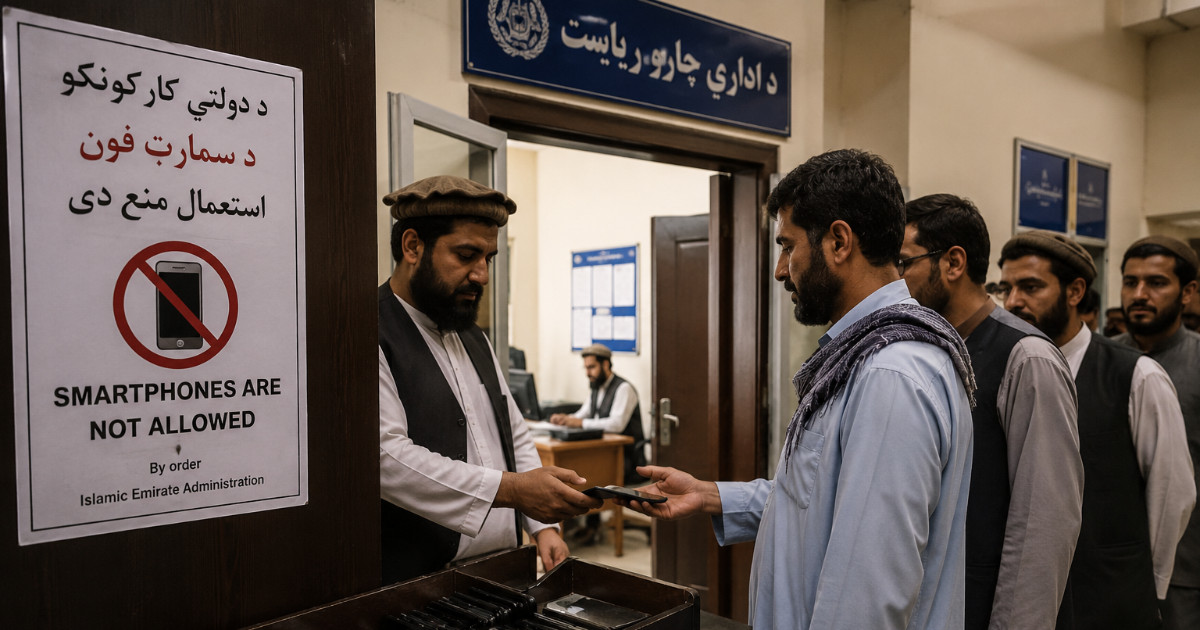
The Taliban has banned fiber optic internet in Balkh and nine other provinces, stifling access for Afghan citizens and journalists. The move has raised concerns over censorship and information rights in Afghanistan.

NEW YORK—Taliban authorities must immediately restore fiber optic internet in Balkh and up to nine other provinces to ensure that Afghan citizens have access to Wi-Fi internet and journalists can continue to provide the public with reliable news, the Committee to Protect Journalists said Wednesday.

“Banning broadband internet is an unprecedented escalation of censorship that will undermine journalists’ work and the public’s right to information,” said CPJ Regional Director Beh Lih Yi. “The Taliban should end their cycle of repression and unconditionally restore internet access, which is an essential tool for news gathering.”

On September 16, Haji Zaid, a spokesperson for the Balkh provincial government, announced on social platform X that the ban was a direct order from Taliban leader Hibatullah Akhundzada to prevent “immorality.”

He did not elaborate on why Balkh, a province in the country’s north, was chosen, or how long restrictions would remain in place. The ban affects homes, businesses, and government offices. Mobile internet remains functional.

The broadband blackout has since been expanded to as many as nine other provinces, including Kandahar, Nimroz, Uruzgan, and Helmand, according to news reports.

Since seizing power in August 2021, the Taliban have annihilated Afghanistan’s independent media sector and supplanted it with their own propaganda empire. Taliban authorities have arrested several journalists reporting for exiled media and forced hundreds to flee to neighboring countries.

Taliban deputy spokesperson Hamdullah Fitrat did not immediately respond to CPJ’s text message requesting comment.

Photo caption: An Afghan man uses the internet at the Lincoln U.S. support library in Herat, December 13, 2009. The Taliban have cut fiber optic internet in up to 10 provinces to prevent 'immorality.' (Photo: Reuters/Morteza Nikoubazl)

Key Points

  • Taliban bans fiber optic internet in Balkh and nine provinces.
  • Committee to Protect Journalists demands immediate restoration of services.
  • Ban affects homes, businesses, and government offices.
  • Mobile internet continues to function despite the ban.
  • Taliban's actions further suppress independent media in Afghanistan.

Ask AI: Understand this story your way

AI Enabled

Dig deeper, ask anything — get instant context, background, and clarity.

Not sure what to choose? Try one of these.

The AI generates results based on your selected options
Your AI-generated results will appear here after you click the button.

Disclaimer: This feature is powered by AI and is intended to help readers explore and understand news stories more easily. While we strive for accuracy, AI-generated responses may occasionally be incomplete or reflect limitations in the underlying model. This feature does not represent the editorial views of JournalismPakistan. For our full, verified reporting, please refer to the original article.
Dive Deeper

Newsroom
What the 60 Minutes controversy means for TV journalism

What the 60 Minutes controversy means for TV journalism

 June 03, 2026 The 60 Minutes controversy at CBS exposes tensions over leadership, editorial independence and pressures on legacy TV journalism amid political polarization.


RFE/RL journalists persist with Iran war coverage amid risks

RFE/RL journalists persist with Iran war coverage amid risks

 June 03, 2026 RFE/RL journalists, including Persian-language reporters, continue covering the Iran-Israel-US conflict despite heightened security risks, restricted access, and significant operational challenges.


Zee secures FIFA World Cup rights in India through 2030

Zee secures FIFA World Cup rights in India through 2030

 June 03, 2026 Zee Entertainment has secured broadcasting and digital rights in India for the 2026 and 2030 FIFA World Cups, reshaping the country's sports media landscape.


How fact-checkers verify viral videos during breaking news

How fact-checkers verify viral videos during breaking news

 June 02, 2026 Fact-checkers use source tracking, metadata, visual analysis and geolocation to verify whether viral videos in breaking news are authentic and timely.


Pentagon restrictions on reporters draw media backlash

Pentagon restrictions on reporters draw media backlash

 June 02, 2026 New Pentagon rules requiring official escorts for reporters in some areas have drawn criticism from press groups and major news organizations over transparency.


Popular Stories