
Pakistan journalists face deepening welfare crisis, PFUJ-Workers warns Independent U.S. journalists reshape news ecosystem Venezuelan editors in exile join forces to report crisis RSF launches Iran media help desk for journalists Iran communications blackout deepens media repression, RSF warns The JournalismPakistan Global Media Brief | Edition 1 | January 2, 2026 now live Iran protest crackdown raises alarms for press freedom Arunachal Pradesh journalists press for pension and recognition HRCP condemns arrest of Karachi journalist under PECA New Pacific Media journal warns of newsroom sustainability crisis Pakistan journalists face deepening welfare crisis, PFUJ-Workers warns Independent U.S. journalists reshape news ecosystem Venezuelan editors in exile join forces to report crisis RSF launches Iran media help desk for journalists Iran communications blackout deepens media repression, RSF warns The JournalismPakistan Global Media Brief | Edition 1 | January 2, 2026 now live Iran protest crackdown raises alarms for press freedom Arunachal Pradesh journalists press for pension and recognition HRCP condemns arrest of Karachi journalist under PECA New Pacific Media journal warns of newsroom sustainability crisis
Logo
Janu
We've got the latest in sports journalism

BOL chief accuses ICIJ's Pakistani reporters of being biased

 JournalismPakistan.com |  Published: 4 October 2021

Join our WhatsApp channel

BOL chief accuses ICIJ's Pakistani reporters of being biased
Shoaib Ahmed Sheikh has expressed outrage over the accusations in the Pandora Papers. He criticizes ICIJ's local journalists for alleged bias and ethical lapses.

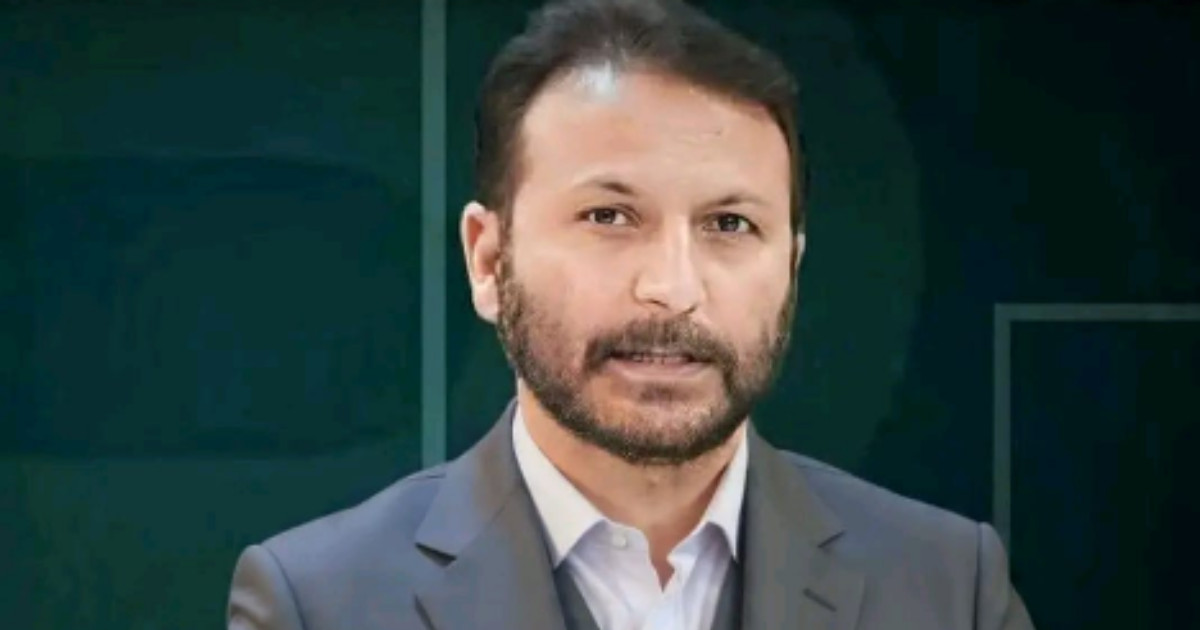
ISLAMABAD—Chairman and CEO of the BOL Media Group, Shoaib Ahmed Sheikh, has shown extreme anger over the Pandora Papers, claiming the ICIJ's report accusing him of owning an offshore company was malicious, ill-willed, and misleading.

He also accused Pakistani journalist members of the ICIJ of being biased, saying they were using this forum to spread fake news and working on the agenda of their media owners.

"... the two local journalists working for the International Consortium of Investigative Journalists (ICIJ) in Pakistan did not bother to verify facts or even take the version of people whom they tried to scandalize through their so-called investigative work," he stated angrily.

"Basic journalism ethics say that when you are accusing a person, at least try to get his version. But in my case, and of many others accused of owning offshore companies in the Pandora Papers, no such exercise was done."

He said both the local journalists—Umar Cheema and Fakhar Durrani — work for a rival media group, which has an open bias towards the BOL Media Group.

He said the ICIJ and the local journalists should answer the following questions:

1) Why was no attempt made to take the version of those accused in the Pandora Papers? Is it not part of the ICIJ's SoPs to take the version of the people accused of owning offshore companies?

2) If an individual is falsely accused and defamed in these papers, will the two local journalists working for the ICIJ tender an apology and give up their assignment?

3) Will the ICIJ take any action against these two journalists if found involved in dishonestly accusing and defaming individuals?

4) Does the ICIJ counter-check the information provided by the journalists working for it?

5) The local journalists working for the ICIJ only took the response of Mir Shakil ur Rahman, owner of the media house for which they work, but not of any other. Doesn't this alone show bias? Is anyone in the ICIJ taking note of this?

KEY POINTS:

  • Shoaib Ahmed Sheikh accuses ICIJ of malicious reporting.
  • Claims local journalists failed to verify facts before publishing.
  • Questions ICIJ's adherence to journalism ethics.
  • Demands accountability from ICIJ and its reporters.
  • Highlights perceived bias from rival media outlets.

Explore Further

Newsroom
Independent U.S. journalists reshape news ecosystem

Independent U.S. journalists reshape news ecosystem

 January 10, 2026 Independent U.S. journalists are launching reader-funded newsletters and nonprofit outlets to sustain investigative and local reporting amid newsroom cuts.


Venezuelan editors in exile join forces to report crisis

Venezuelan editors in exile join forces to report crisis

 January 10, 2026 Exiled Venezuelan editors from Efecto Cocuyo, El Pitazo and others formed a collaborative network to report Venezuela's political crisis from abroad.


RSF launches Iran media help desk for journalists

RSF launches Iran media help desk for journalists

 January 10, 2026 RSF launches Iran help desk to provide VPNs, digital security, mirror-site support and emergency aid to journalists facing internet censorship.


Iran communications blackout deepens media repression, RSF warns

Iran communications blackout deepens media repression, RSF warns

 January 10, 2026 Reporters Without Borders says Iran's communications blackout sharply restricts journalists, isolating reporters and disrupting information flow amid unrest.


The JournalismPakistan Global Media Brief | Edition 2 | January 9, 2026

The JournalismPakistan Global Media Brief | Edition 2 | January 9, 2026

 January 09, 2026 A weekly global media briefing by JournalismPakistan.com covering press freedom, newsroom trends, platform policies, and major media developments across Asia, the Middle East, and the world.


Popular Stories